
Using cling wrap in the oven requires a specialized product designed to withstand the elevated temperatures of oven cooking without melting, releasing harmful substances, or posing a safety risk. Not all cling wrap is suitable for oven use; standard cling wrap is typically designed for refrigeration or room temperature use and will melt at temperatures above 120°F (49°C), which is well below the typical oven temperatures used for baking, roasting, or heating foods (which often range from 300°F to 425°F, or 149°C to 218°C). As such, cling wrap intended for oven use must be formulated with heat resistant polymers and undergo rigorous testing to ensure it meets safety standards for high temperature applications. Richerpack offers cling wrap solutions specifically engineered for oven use, focusing on three critical performance attributes: heat resistance, food safety, and functional sealing. The heat resistance of oven safe cling wrap is achieved through the use of specialized resin blends, such as a combination of polyethylene and polypropylene or other heat stable copolymers. These materials are selected for their ability to maintain structural integrity at temperatures up to 220°F (104°C) or higher—depending on the specific product formulation—without melting, shrinking excessively, or releasing volatile organic compounds (VOCs) or other harmful substances. Richerpack’s oven safe cling wrap undergoes extensive high temperature testing in controlled laboratory environments, where it is exposed to typical oven temperatures for extended periods (up to 60 minutes) to confirm that it remains stable and does not transfer any harmful chemicals to food. Food safety is another non negotiable aspect of cling wrap in the oven. Given that the wrap comes into direct contact with food during heating, it must comply with strict food contact safety standards, such as FDA 21 CFR 177.1520 (for polyethylene) and additional certifications for high temperature use. Richerpack’s oven safe cling wrap is tested to ensure that no harmful substances—such as plasticizers or resin byproducts—migrate into food even when heated, providing users with confidence that their meals remain safe for consumption. The functional sealing property of oven safe cling wrap is also important, as it helps to lock in moisture and flavor during cooking. When used to cover a baking dish or pan, the cling wrap forms an airtight seal that prevents the food from drying out—an especially valuable feature for dishes like roasted chicken, baked vegetables, or casseroles, where moisture retention is key to achieving tender, flavorful results. For example, a home baker using Richerpack’s oven safe cling wrap to cover a dish of baked macaroni and cheese reported that the pasta remained creamy and moist after 30 minutes in the oven, compared to previous attempts with non oven safe wrap (which melted) or aluminum foil (which allowed some moisture to escape, resulting in drier pasta). It is important to note that even with oven safe cling wrap, proper usage guidelines must be followed to ensure safety. This includes avoiding direct contact between the cling wrap and open flames or heating elements (such as the oven’s broiler), leaving a small vent in the wrap if the food is likely to release steam (to prevent the wrap from bursting), and ensuring that the wrap does not touch the food if the food temperature exceeds the wrap’s recommended maximum temperature. Richerpack provides clear usage instructions with its oven safe cling wrap products to help users achieve optimal results while maintaining safety. For customers interested in learning more about the specific temperature limits, product specifications, or availability of Richerpack’s oven safe cling wrap, or to inquire about pricing for different order volumes, direct contact with the company is encouraged. The technical team at Richerpack can also provide guidance on whether the product is suitable for specific oven based applications, such as baking, roasting, or reheating.
19
Jul
19
Jul
10
Oct
10
Oct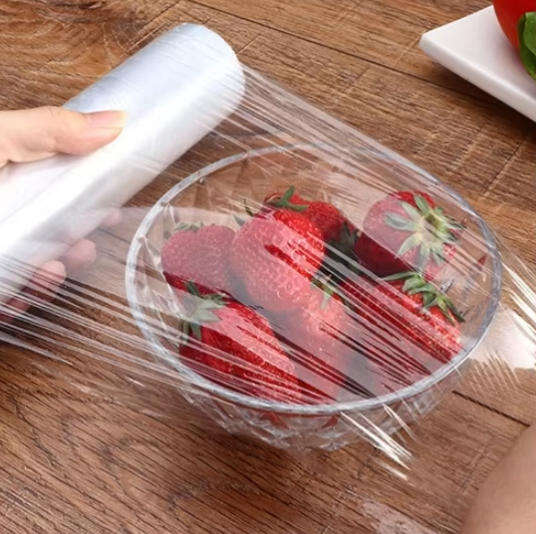

Xiamen Richer Plastic Co.,Ltd. provides custom plastic manufacturing solutions for industrial applications. Our precision molding and sustainable processes deliver high-quality components. Trusted by global partners. Contact us today.
4F,Bldg 3 Aviation Free Trade Plaza,No.422 Gaoqi North Rd.,Huli District,Xiamen,361011,China
Copyright © 2025 by Xiamen Richer Plastic Co.,Ltd. Privacy Policy
 EN
EN