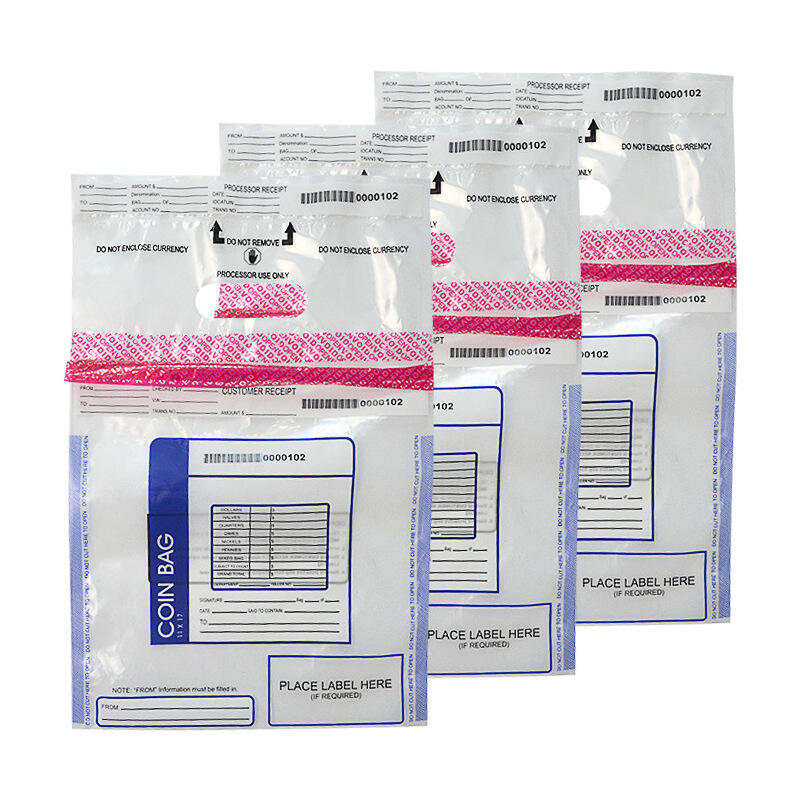
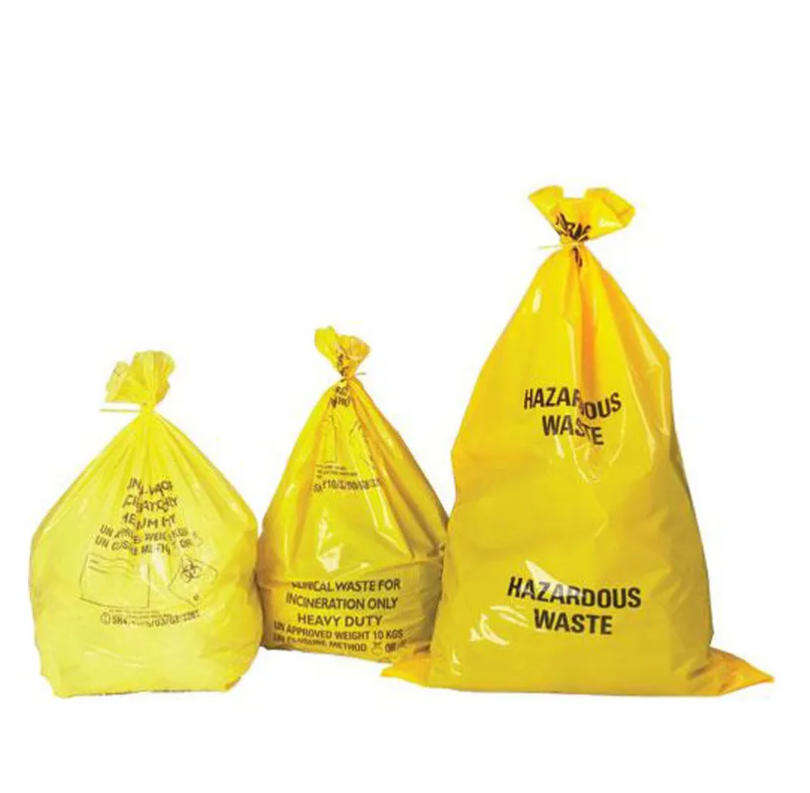
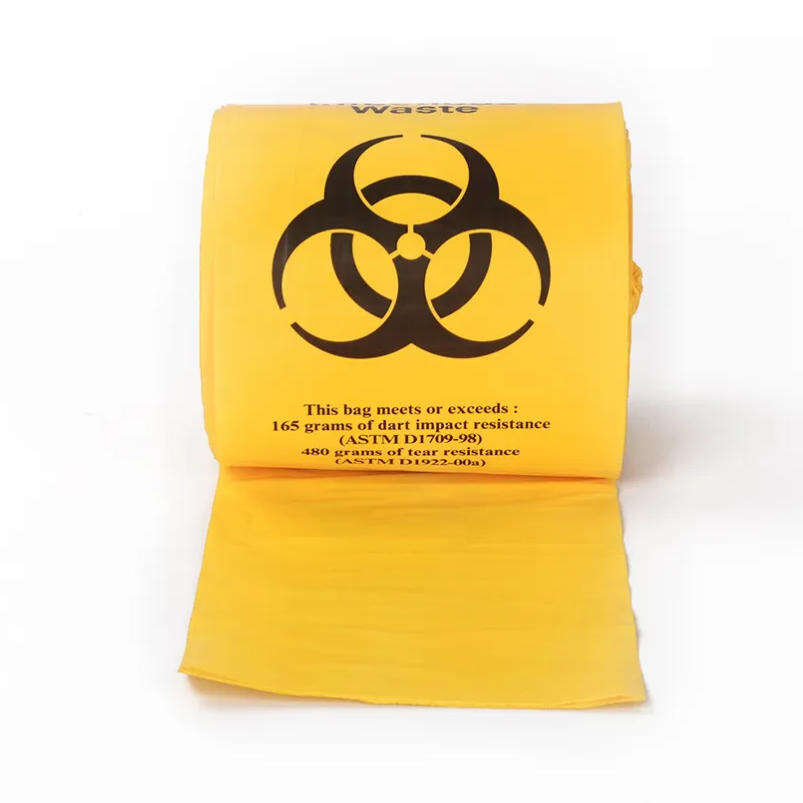
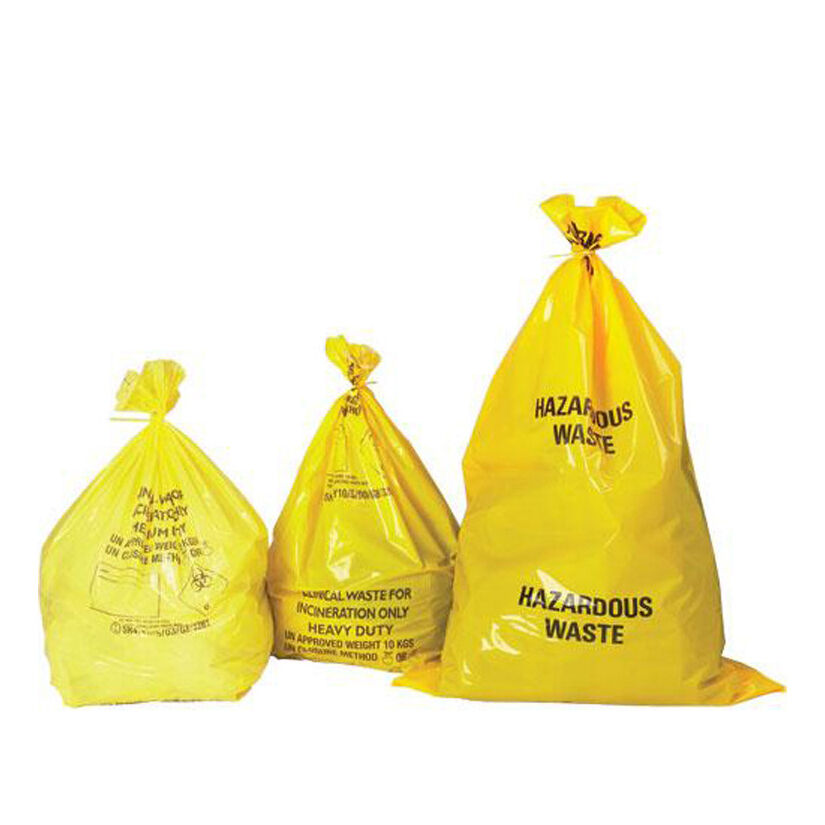
Biohazard bags for waste disposal are specialized packaging solutions designed to safely contain and transport materials that pose biological risks, such as infectious waste, contaminated medical supplies, or laboratory specimens. These bags are constructed from high performance materials, typically high density polyethylene (HDPE) or linear low density polyethylene (LLDPE), with a thickness ranging from 4 to 6 mil. This material selection ensures excellent puncture resistance and leak proof performance, preventing the release of hazardous contents during handling and transportation. To meet global safety standards, they comply with regulations such as the US Occupational Safety and Health Administration (OSHA) guidelines for biohazard waste management, the European Union’s EN 13432 standard for biodegradable packaging (when applicable), and the World Health Organization (WHO) classification for biomedical waste. Key design features include clear biohazard symbols (usually in white against a high contrast background) and printed 警示语 such as “BIOHAZARD - FOR PROPER DISPOSAL ONLY” to ensure easy identification. The bags are available in various sizes, from small 20x30 cm options for laboratory use to large 50x60 cm variants for hospital waste collection, and may include features like resealable zippers or tie closures for secure sealing. Application scenarios are diverse: in hospitals, they are used to collect contaminated dressings, used syringes, and blood soaked materials from emergency rooms and operating theaters; in research laboratories, they contain biological samples, cell cultures, and contaminated pipettes; in veterinary clinics, they handle animal tissue waste and used vaccination needles. A practical case involves a mid sized hospital in North America that adopted these biohazard bags for its waste disposal system. By using the puncture resistant HDPE bags, the hospital reduced incidents of waste leakage by 40% over six months, minimizing the risk of cross infection among staff and patients. Another example is a pharmaceutical research lab that used the bags to contain waste from COVID 19 vaccine development, ensuring compliance with strict biosafety level 3 (BSL 3) requirements. For businesses or organizations seeking to implement or upgrade their biohazard waste management systems, consulting with professionals to determine the most suitable bag specifications (material thickness, size, closure type) is essential, and interested parties are encouraged to reach out for detailed product recommendations tailored to their specific needs.
19
Jul
19
Jul
10
Oct
10
Oct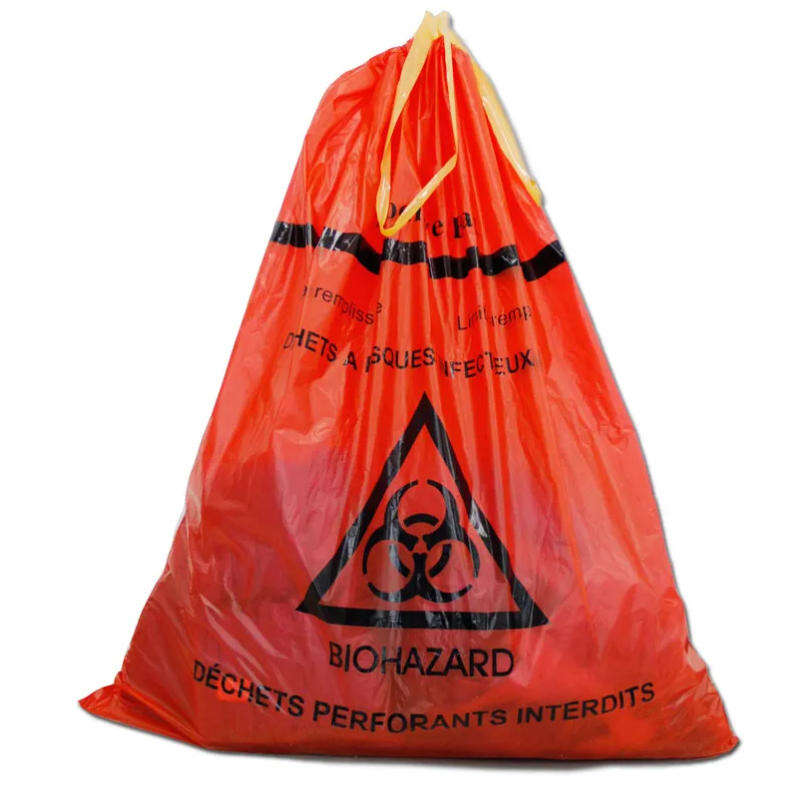

Xiamen Richer Plastic Co.,Ltd. provides custom plastic manufacturing solutions for industrial applications. Our precision molding and sustainable processes deliver high-quality components. Trusted by global partners. Contact us today.
4F,Bldg 3 Aviation Free Trade Plaza,No.422 Gaoqi North Rd.,Huli District,Xiamen,361011,China
Copyright © 2025 by Xiamen Richer Plastic Co.,Ltd. Privacy Policy
 EN
EN