 EN
How to Choose Shipping Bags for Apparel E-Commerce Orders
For an apparel seller, a shipping bag is more than the last thing added at the packing bench. It helps determine whether a folded T-shirt arrives dry, whether knitwear stays presentable, and whether the unboxing feels consistent with the brand. The right apparel shipping bags protect the order without adding needless bulk or cost.
From a B2B procurement perspective, the useful question is not simply “Which mailer has the lowest quoted unit price?” It is: which apparel shipping bags fit the garments, shipping route, and fulfillment workflow? This approach makes it easier to compare poly bags for shipping with other mailer formats on practical terms.
Start With the Garment and the Packed Order
Choose apparel shipping bags after looking at the order as it will actually leave the warehouse. A thin T-shirt in a single fold, a hooded sweatshirt, and a boxed accessory can all require different packing allowances. Measure the folded item at its widest and longest points, then add room for garment thickness and the sealing flap. Mailer dimensions are normally shown as flat width by length, so usable interior space is smaller once the item has depth.
For mixed carts, group orders into a few packing profiles rather than forcing every garment into one mailer. A brand may define small apparel shipping bags for light single-garment orders, medium mailers for two-piece orders, and larger formats for outerwear or bundled purchases. This makes picking and packing faster while keeping excess material under control.
Do not choose a bag that is just barely large enough. A tight fit can stress seams, wrinkle garments, and make the self-seal strip harder to close cleanly. A bag that is far too large lets the item slide around and can make the delivery look careless. When evaluating poly bags for shipping, test the same garment in its retail fold and its actual dispatch fold; the two may not occupy the same volume.
Match Protection to Transit Risk
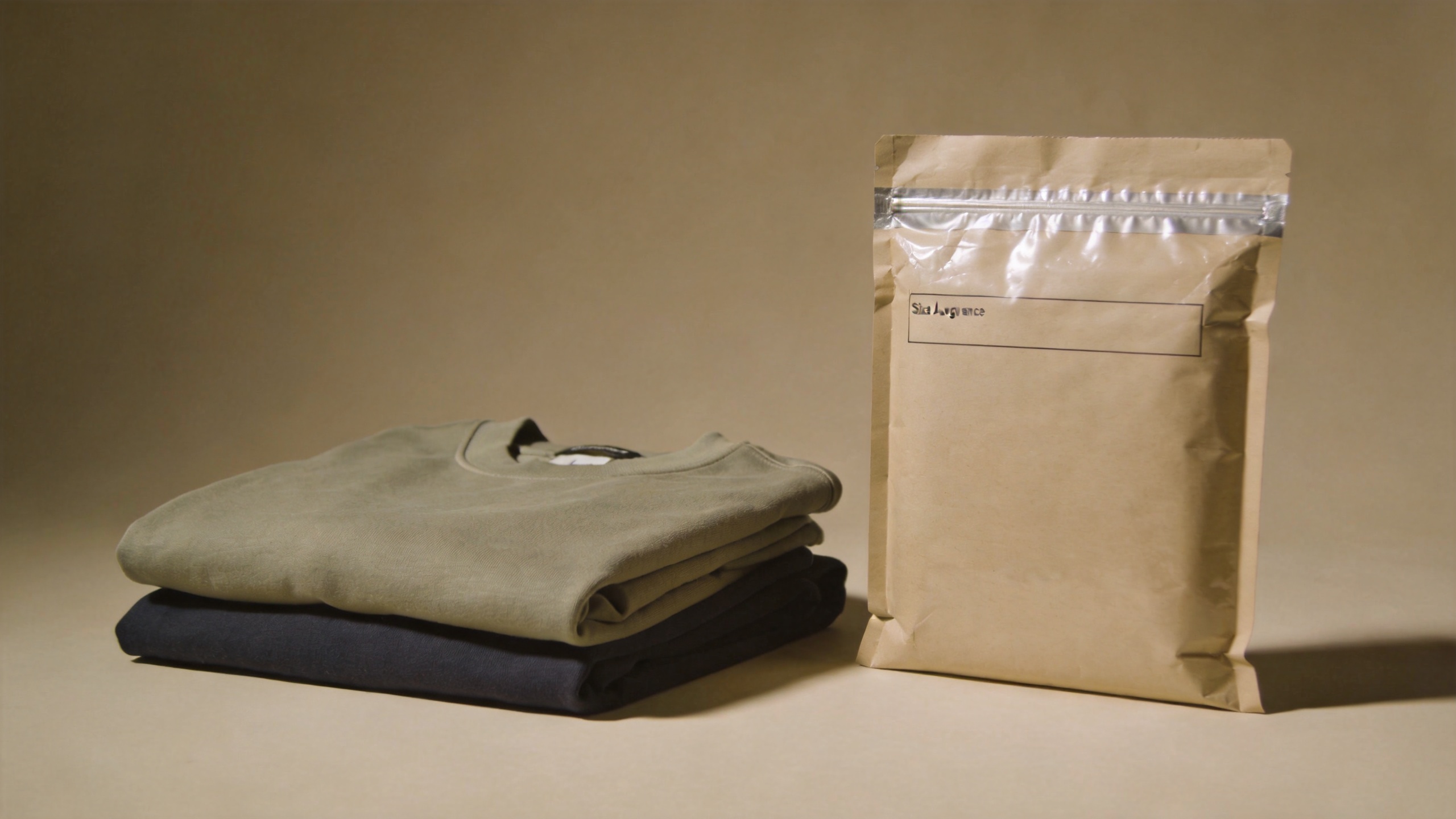
Most soft apparel does not require rigid packaging, which is why apparel shipping bags are often practical for direct-to-consumer orders. But “soft” does not mean “no protection needed.” Consider exposure to rain, rough handling, long-distance transport, porch delivery, and whether the garment already has an inner retail bag.
For ordinary folded apparel, a mailer with reliable seams and a secure closure may be sufficient. For light-colored fabrics, delicate finishes, or premium presentation, use a clean inner layer or tissue before placing the garment in the outer mailer. Products with crush-sensitive trims, structured hats, or fragile accessories may need a box or padded format instead of relying on apparel shipping bags alone.
Thickness is commonly expressed in mil for poly mailers. A higher mil figure can indicate a more robust film and stronger seams, but it is not a standalone promise of performance. Compare the full construction, including seam quality, closure behavior, and the actual route your packages travel. Moving attention away from unit price often changes the decision once damage risk and replacement work are included.
Check Water Resistance, Tear Resistance, and the Closure
Water resistance matters because moisture can damage labels, transfer dirt, or leave an otherwise good garment unfit for resale. If the shipment may encounter wet weather or outdoor delivery conditions, confirm how the bag protects contents when properly sealed. Avoid treating broad marketing terms as proof; request material and construction details that can be checked against the use case.
Tear resistance is equally important at seams, handles, and the adhesive area. A bag can feel substantial in hand but still split when a bulky garment presses against a weak side weld. Test samples with representative orders: fold a sweatshirt, include the usual invoice or return card, seal the bag, and simulate the pulling and corner stress that occur during handling.
A permanent self-seal can speed fulfillment and help discourage casual opening during transit. Resealable closures may be useful when returns, inspection, or garment storage are part of the customer experience. Select a closure for apparel shipping bags that works consistently with your packing process, rather than one that only sounds more premium in a specification sheet.
Choose the Right Material Approach for Your Brand
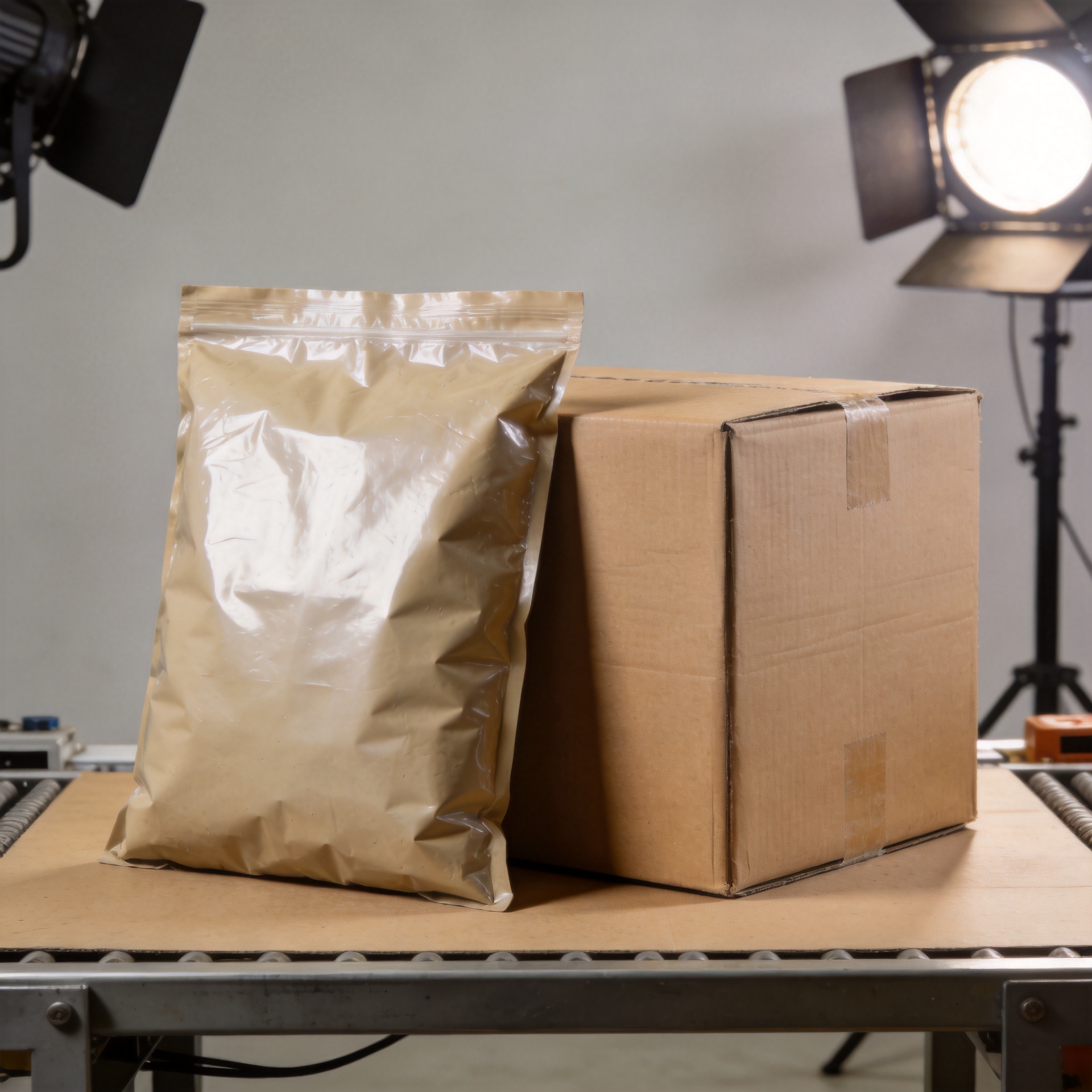
Poly mailers remain popular because they are light, flexible, and compact in storage. They can be sensible apparel shipping bags when the garment itself does not need rigid protection. If sustainability is part of the brief, clarify exactly what is being requested: recycled content, a specific material structure, local end-of-life compatibility, or a lower-material packing design are different requirements.
A recycled-content mailer can be a relevant option, but it should not be described as a universal environmental solution. Actual recovery depends on the material structure and the collection and sorting routes available in the destination market. In procurement discussions, it is more useful to ask for the material specification and confirm the intended claim than to rely on a general “eco-friendly” label.
For sellers evaluating apparel shipping bags, the Recycled Poly Mailer is an example of a product category to review alongside your size, closure, and project requirements. Confirm available specification details with the supplier before assigning it to a particular apparel order profile.
Build Branding Into the Mailer Specification
Branding should support the delivery experience without making a bag harder to use. Start with the required shipping-label area, then consider logo placement, color coverage, return instructions, QR code, or seasonal campaign elements. A simple design is often easier to scan, label, and reproduce across sizes than a fully printed surface.
When comparing poly bags for shipping, ask how print coverage, artwork setup, minimum order quantity, and lead time affect the total project. Include practical questions: Will dark ink interfere with carrier labels? Is the surface suitable for the label stock the fulfillment team uses? Can the same visual system work on several mailer sizes?
For international or multi-market operations, keep required markings and disposal claims subject to local review. A design goal may be to make apparel shipping bags easier to recycle, but the outcome still depends on whether downstream systems can identify and process that structure.
A Simple Procurement Checklist for Apparel Shipping Bags
- Order profile: Define garment types, folded dimensions, average pieces per order, and any inserts.
- Size allowance: Add room for thickness and the flap; test the actual packed order rather than choosing by garment size alone.
- Protection level: Match water resistance, seam strength, and tear resistance to the route and product value.
- Closure: Check whether the adhesive or resealable feature fits your fulfillment and returns process.
- Material brief: Separate verified material details from general sustainability language and confirm intended market requirements.
- Brand execution: Reserve label space and evaluate artwork, print consistency, and lead time across needed sizes.
- Sample test: Pack representative garments and inspect the seal, presentation, and stress points before committing to volume.
Make the Final Choice With Samples, Not Assumptions
A suitable set of apparel shipping bags protects a real order, works at the packing bench, and supports the brand promise at delivery. Begin with your most common garment profiles, compare samples under ordinary handling conditions, and document which size and construction fit each order type.
That process gives purchasing teams a clearer basis for comparing poly bags for shipping, recycled-content options, and branded mailer programs. Instead of assuming one bag is right for every product, build a small, testable mailer range that reflects your apparel mix, transit exposure, and customer-experience goals.