 EN
Poly Mailer Bags vs Cardboard Boxes for Small Parcel Shipping
For an online seller, choosing between polythene mailing bags and cardboard boxes is not a simple plastic-versus-paper decision. It affects damage rates, fulfilment speed, carrier charges, storage space, and the impression a parcel makes when it arrives. The practical question is whether the product needs a rigid protective shell or simply a clean, secure outer layer.
From a B2B purchasing perspective, start with the item rather than the pack price. Confirm its shape, breakability, surface sensitivity, packed dimensions, shipping route, and whether the parcel may be stacked. That short review makes it much easier to use polythene mailing bags where they fit and reserve cartons for the jobs they are designed to do.
Start with the level of protection your product actually needs
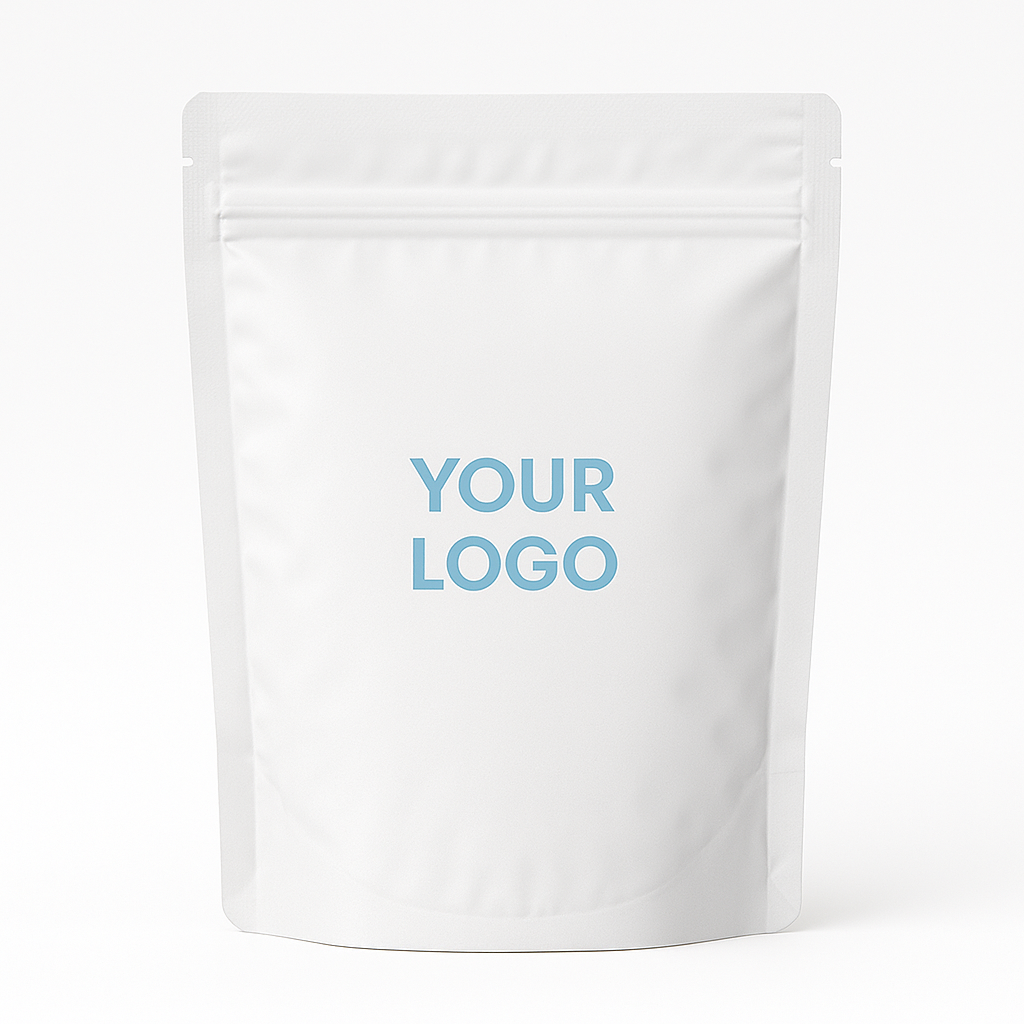
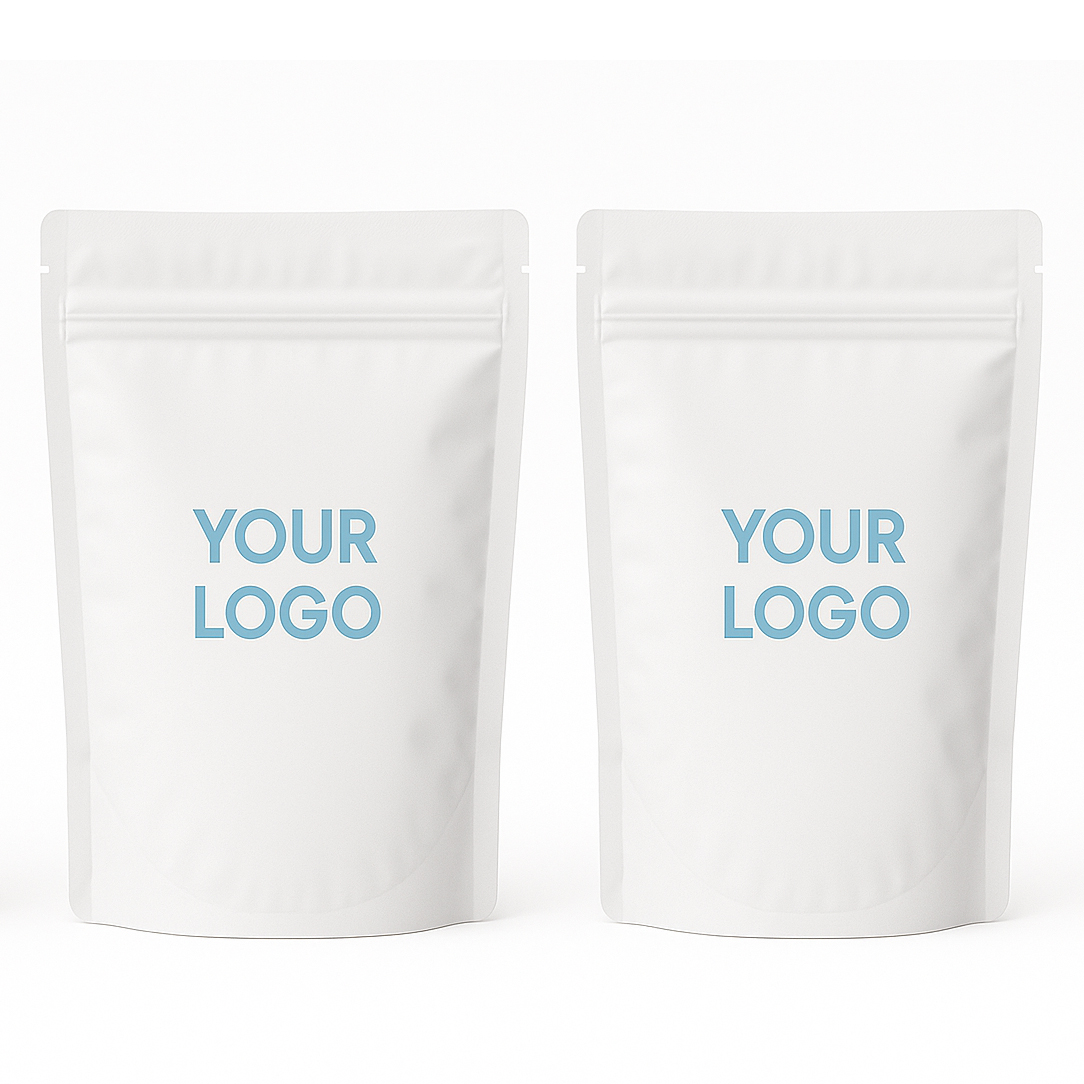
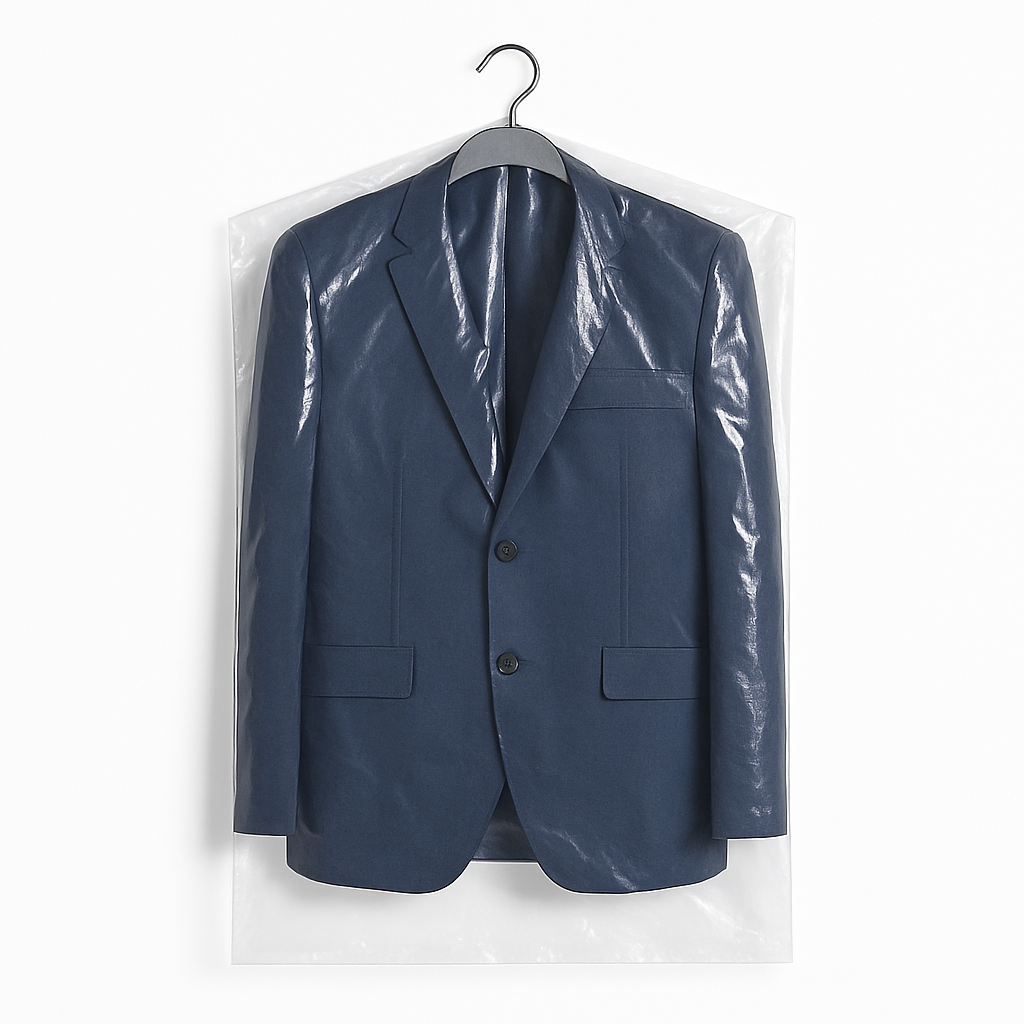
Polythene mailing bags work best for lightweight, non-fragile goods that can flex without damage. Apparel, soft accessories, textiles, and some printed materials are common examples. A good mailer keeps the item contained, helps protect it from dust and moisture during normal handling, and creates little empty space around the product.
A cardboard box is the stronger choice when the item can crack, bend, dent, or be crushed. Rigid products, glass, electronics, boxed retail sets, and goods with vulnerable corners normally need a carton plus suitable internal protection. A mailer should not be expected to replace cushioning or crush resistance merely because it closes securely.
For borderline items, separate two risks: surface scuffing and structural damage. A soft item with a delicate finish may travel well in a mailer with an inner sleeve, while a small but heavy object often needs a box even if it is not technically fragile. This distinction prevents overpacking low-risk orders and under-protecting high-risk ones.
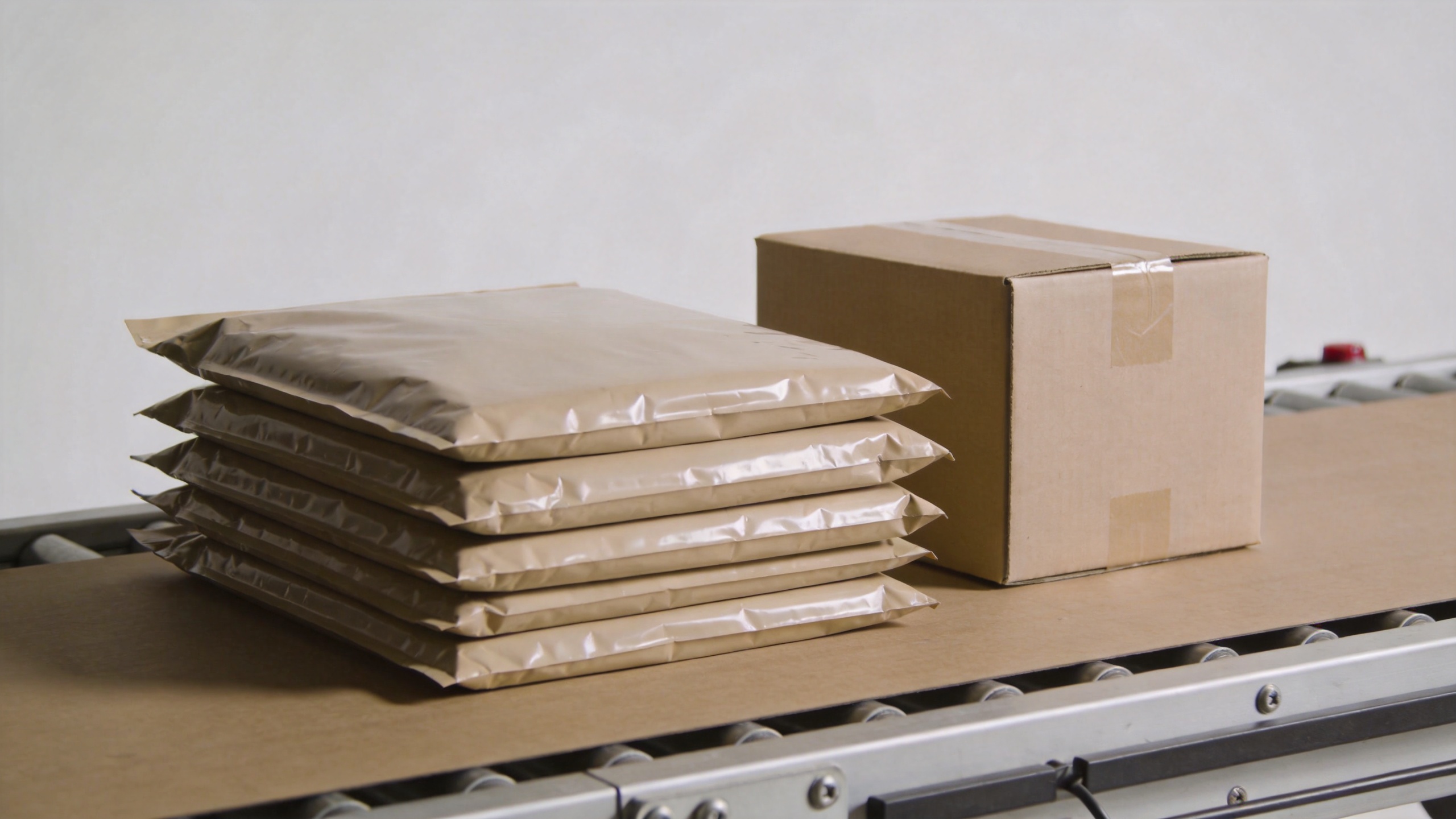
Compare cube, weight, and fulfilment handling
One reason buyers choose polythene mailing bags is their low pack weight and compact storage. They lie flat before use and conform more closely to many soft products. That can reduce unused air inside a parcel. For services that consider dimensional weight, avoiding an oversized carton may matter as much as the weight of the packaging itself. Actual carrier pricing still depends on the destination, service, and final measured dimensions, so test representative orders rather than promising a fixed saving.
Cartons take more warehouse volume and usually require assembly, taping, and void fill. However, that extra process can be worthwhile when it protects an item from compression. Paperboard performance is not one universal property: suppliers may use measures such as edge crush test (ECT) to discuss a corrugated board’s ability to resist edge loading. Ask for a board and box specification that reflects the route, stacking exposure, product mass, and closure method rather than selecting a carton only by its outside size.
A practical comparison for small parcels
| Decision factor | Polythene mailing bags | Cardboard boxes |
|---|---|---|
| Typical fit | Soft, light, non-breakable products | Rigid, fragile, heavy, or multi-item orders |
| Protection | Containment and routine weather/dust protection; limited crush protection | Better structure for compression and added cushioning |
| Pack volume | Flat storage and close fit for flexible items | More storage and empty-space management required |
| Fulfilment flow | Fast to select, insert, seal, and label | May need assembly, tape, and void fill |
| Branding options | Printed or labelled formats can support simple parcel presentation | Useful where unboxing structure or product separation matters |
The table is a screening tool, not a substitute for a pack test. For example, two garments may ship well in polythene mailing bags, but a garment combined with a fragile gift box may require a carton or a hybrid pack. The right answer can change when product bundles, seasonal orders, or return requirements change.
When a hybrid solution is the better answer
The choice does not have to be all mailers or all cartons. Many operations use polythene mailing bags as an outer layer around a product already protected by its own retail carton, or use a mailer for low-risk single units and a box for multi-unit orders. A rigid insert, folded board, or correctly sized inner carton can also protect a sensitive section without turning every order into a large box shipment.
If you are evaluating a recycled-content mailer option, review the product specification, seal format, size range, print requirements, and local end-of-life instructions together. You can explore the available Recycled Poly Mailer product page as part of that specification conversation. Material claims should stay conditional on the confirmed construction and the destination’s collection systems.
Use a simple purchase checklist before ordering
- Classify the product: Is it flexible, rigid, fragile, sharp-edged, heavy, or moisture-sensitive?
- Measure the packed product: Use real packed dimensions, not only the product catalogue size.
- Map the shipment: Consider carrier handling, distance, stacking, and whether the order crosses borders.
- Choose the smallest protective format: Select polythene mailing bags for suitable soft goods; add a box when structural protection is necessary.
- Test typical and worst-case orders: Include bundled orders, return journeys, and packages at the upper end of the weight range.
- Document the specification: Record mailer size, film construction, seal, carton grade where used, artwork, and acceptance criteria.
The buying decision in one sentence
Choose polythene mailing bags when a product is light, flexible, and unlikely to be harmed by compression; choose cardboard boxes when shape retention, cushioning, stacking resistance, or presentation protection is essential. For e-commerce teams, the most cost-effective format is usually the smallest one that passes a real protection test—not automatically the lowest-priced bag or the most protective-looking box.
By comparing product risk, parcel cube, handling steps, and evidence from sample shipments, buyers can build a packaging rule that is clear enough for daily fulfilment and flexible enough for new product lines.