 EN
A Buyer’s Guide to Custom Poly Mailer Bags for E-Commerce
For an online seller, a mailer is not simply a bag that gets an order from A to B. It influences pack-station speed, parcel presentation, damage exposure, postage weight, and the first physical impression of a brand. This guide approaches custom poly mailer bags as a procurement decision: specify the item being shipped, the transport conditions, the artwork requirements, and the evidence you need from a supplier before comparing quotes.
That approach matters because the lowest unit price is rarely the whole answer. A bag that is too tight may slow packing or stress the adhesive; one that is overbuilt may add cost without improving the customer experience. For most apparel, accessories, soft goods, and non-fragile items, custom poly mailer bags can be a practical lightweight outer pack when the dimensions, film construction, seal, and print are matched to the real pack-out.
Start the Custom Poly Mailer Bags Brief With the Product, Not the Artwork
Before discussing logo colors or a target price, make a small shipment profile. Record the folded dimensions of the packed product, its maximum thickness, weight, sharp edges or hardware, the number of items per order, and whether an inner protective layer is used. Then identify the longest and most demanding shipping route. This is a more reliable starting point for custom poly mailer bags than selecting a familiar size from a catalogue.
Ask the supplier to recommend an inside size with enough room for loading and adhesive closure without leaving excessive empty space. A sample should be packed exactly as it would be at the fulfillment station. Test opening, loading, sealing, label placement, and handling after the parcel has been compressed in a normal carton or sack. If returns are part of your model, specify whether you need a second adhesive strip or a resealable construction.
- Product profile: folded size, pack quantity, weight, edges, and any inner packaging.
- Route profile: carrier handling, cross-border transit, climate exposure, and return process.
- Pack-station profile: target packing time, label dimensions, barcode position, and storage method.
Choose Film Strength Through Sample Testing
Film thickness is a useful specification, but it should not be treated as a universal proxy for performance. Packaging guidance commonly frames thicker film as a durability choice tied to puncture risk and product type, rather than a carrier rule. Some industry references describe mailer films across a broad range of roughly 30 to 150 microns; that range is directional, not a substitute for testing your own shipment.
For custom poly mailer bags, ask the supplier to state film thickness, material structure, tolerance, and the test conditions used for seal and tear performance. Compare at least two candidate constructions using the same product and route assumptions. A thicker option can be appropriate for heavier packs, hardware-adjacent goods, or longer handling chains, while a lighter option may be suitable for soft apparel. The decision should be based on the failure mode you are trying to prevent—not a generic claim that one thickness suits every shipment.
Also inspect the adhesive. A reliable closure must match the bag surface and typical warehouse conditions. During sampling, check whether dust, cold, humidity, or an overfilled bag changes the seal. If tamper evidence is important, document how the seal is expected to behave once opened rather than relying on a broad marketing description.
Turn Printing Into a Production-Ready Specification
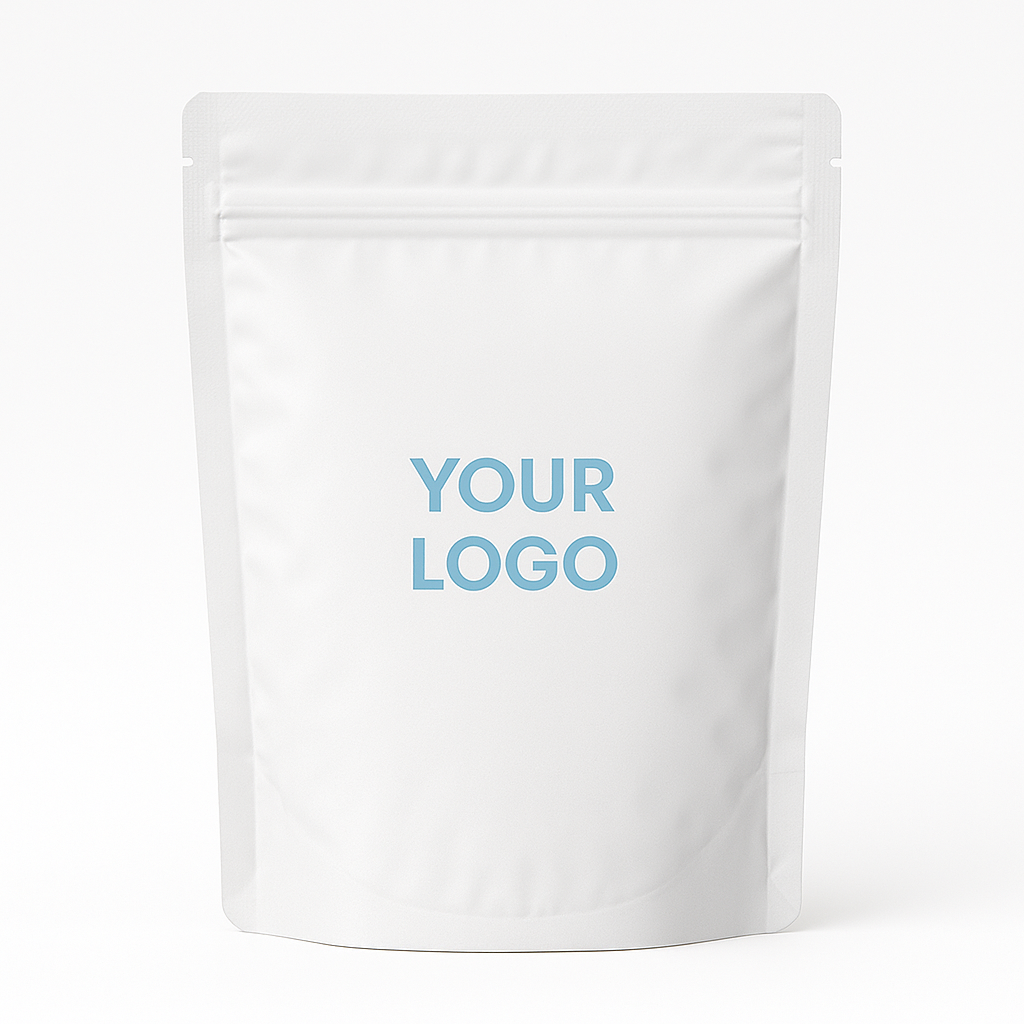
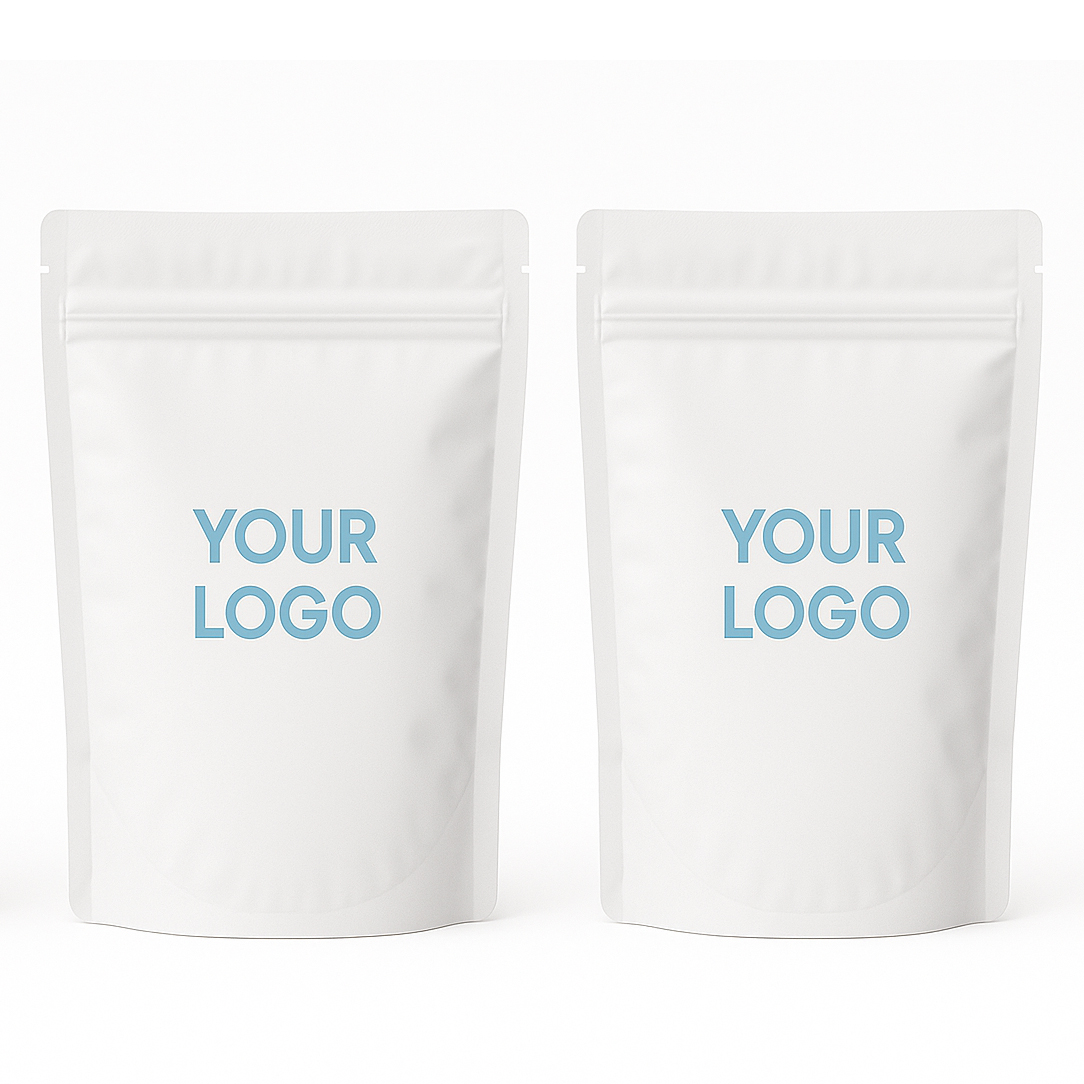
Printed custom poly mailer bags should help recognition without creating avoidable approval cycles. Supply the artwork file format, logo colors, print sides, coverage area, and placement rules for shipping labels. Keep the label zone clear; a beautiful pattern that makes labels difficult to scan is not helping the operation.
Request a digital artwork proof before production and clarify what it can—and cannot—confirm. For color-critical work, a physical or production-standard sample is more useful. Include acceptance points in the purchase order: approved artwork version, color reference where relevant, print position tolerance, lot identification, and what happens if the delivered artwork differs from the signed proof.
This matters especially for packaging e commerce programs that use the mailer as a recurring brand touchpoint. A restrained design with clear handling and return information often produces a better operational result than full-coverage graphics that leave no room for labels or quality variation.
Specify the Closure, Opacity, and Functional Details
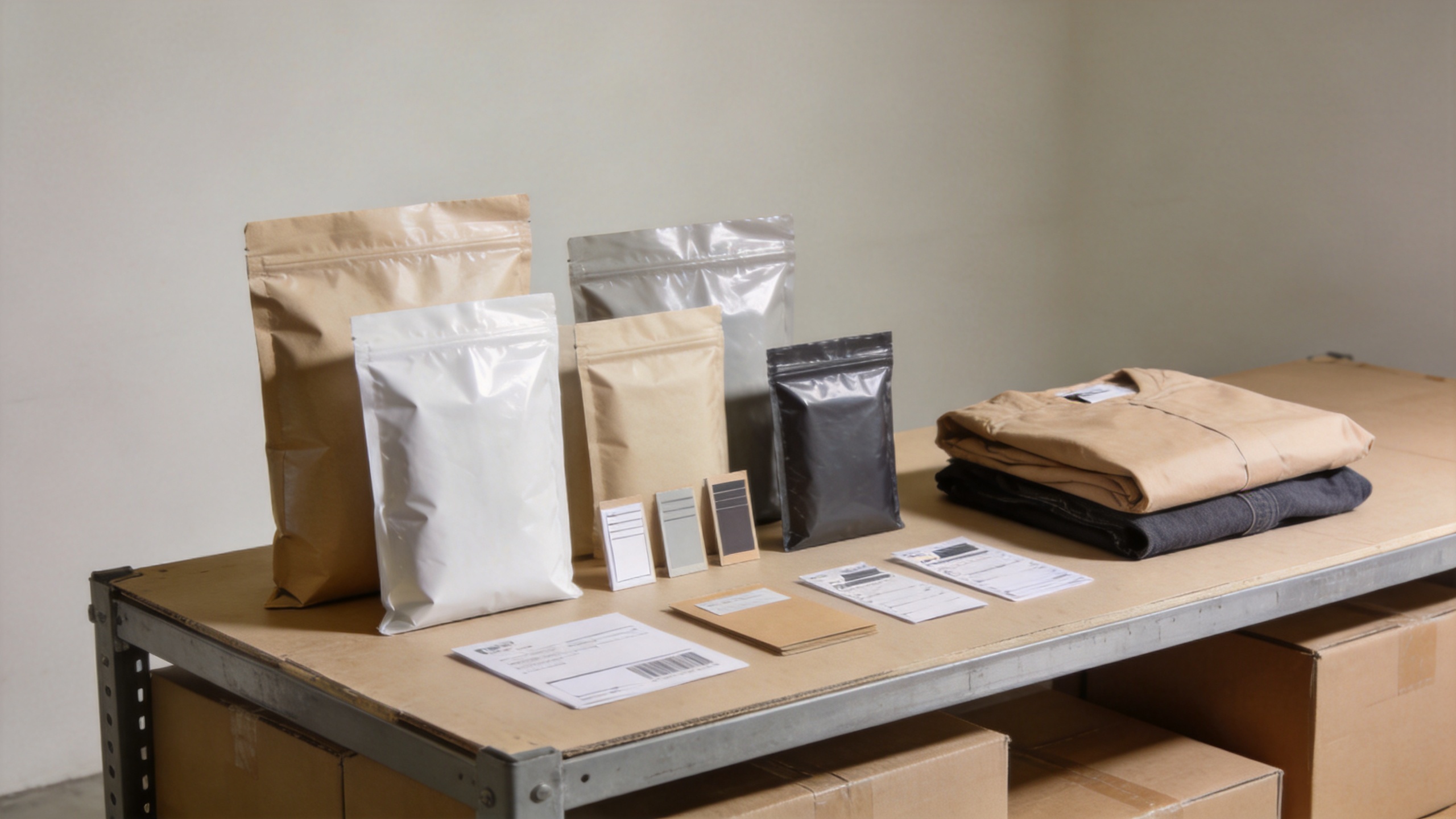
A concise RFQ for custom poly mailer bags should state the intended closure and any functional requirements rather than assuming they are standard. Common questions include whether the adhesive strip is permanent or resealable, whether a perforation is required, whether the bag needs opacity for product privacy, and whether the exterior should accept thermal or shipping labels consistently.
| Requirement | What to define in the RFQ | How to verify |
|---|---|---|
| Size and fit | Internal dimensions, flap allowance, product pack-out | Pack actual samples at the fulfillment station |
| Closure | Permanent, resealable, or return-strip requirement | Open-and-seal trials under normal loading |
| Artwork version, sides, colors, clear label zone | Signed proof and production sample | |
| Protection | Transport risk, puncture-sensitive items, handling route | Route-representative sample checks |
| Sustainability claim | Material basis, percentage, document request, market wording | Review supplier evidence before publishing a claim |
Handle Recycled-Content Claims With Evidence
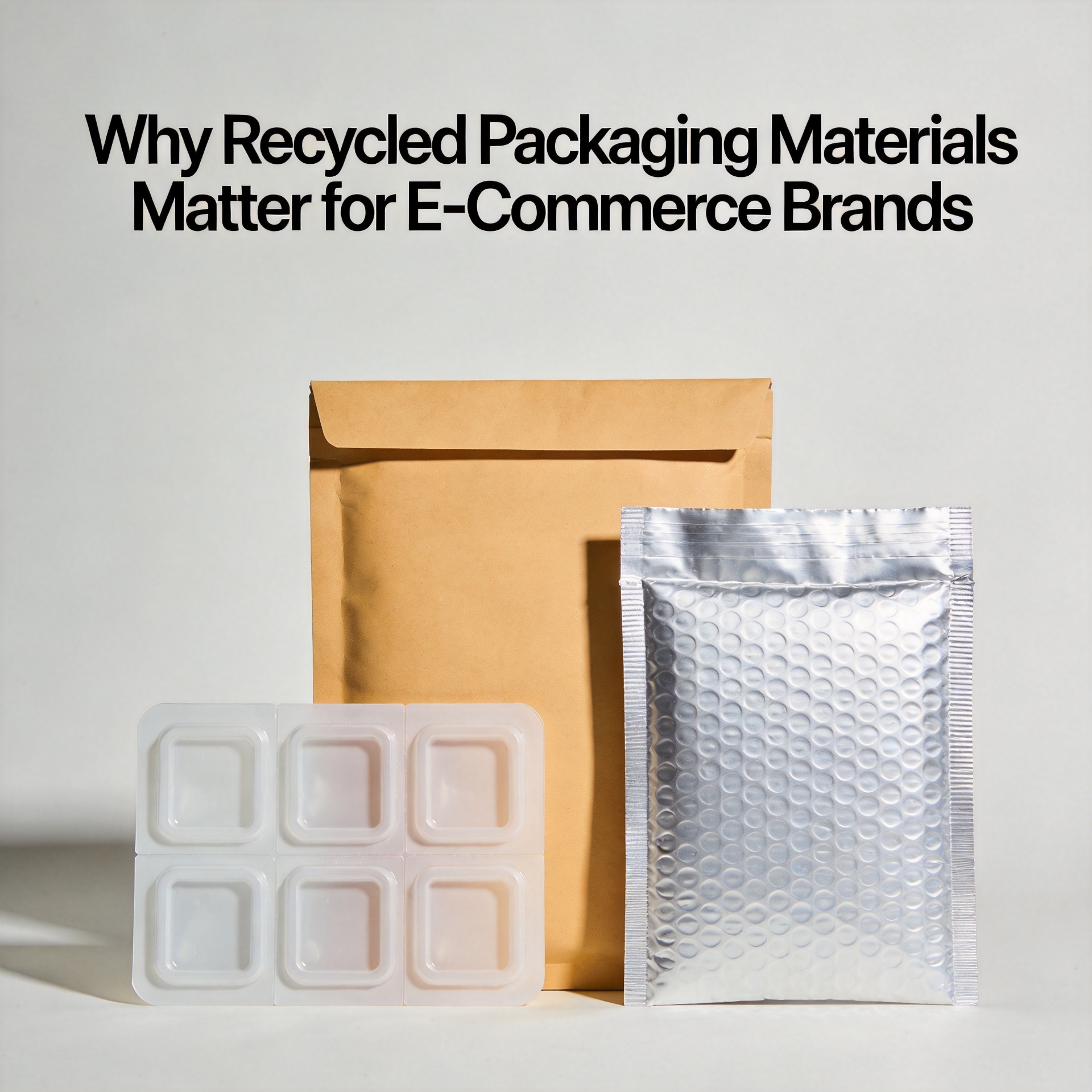
Recycled options can be relevant to a packaging e commerce purchasing program, but buyers should separate the physical specification from the public claim. If you ask for recycled content, ask for the percentage, whether it is post-consumer or pre-consumer material, the calculation basis, and supporting supplier documentation. Claim wording should reflect the actual bag or component being described.
U.S. FTC guidance, for example, advises marketers to qualify recycled-content claims when only part of a package contains recycled material. It also notes that recyclable claims may need qualification when suitable collection facilities are not widely available. The practical procurement lesson is simple: do not turn an RFQ phrase such as “eco-friendly” into public product-page language without reviewing evidence and target-market requirements.
If a recycled mailer is under consideration, you can review a relevant product category such as the Recycled Poly Mailer while keeping the final specification tied to your shipment tests and confirmed documentation.
Compare Quotes by Delivered Operating Cost
When comparing custom poly mailer bags, normalise the quotations before choosing. Put the same size, construction, print scope, closure, order quantity, freight terms, tooling or plate charges, proofing process, lead time, and quality requirements on one comparison sheet. A cheaper price can conceal a different film structure, a smaller usable size, incomplete printing, or an approval process that shifts risk back to the buyer.
Consider the total effect: material cost, packing labour, damaged-order risk, storage volume, freight, and whether the bag supports returns. That is the useful B2B question for custom poly mailer bags: which option meets the operating brief with enough evidence to approve production confidently?
A Final RFQ Checklist for E-Commerce Buyers
- Attach product dimensions, pack-out photos, expected monthly volume, and target markets.
- State bag dimensions, film requirements, closure type, print layout, label-clear zone, and any return feature.
- Request a pre-production proof and route-representative samples before bulk approval.
- For recycled-content language, request percentage, material basis, supporting records, and market-specific claim review.
- Compare like-for-like quotes using delivered cost and operational risk, not unit price alone.
Well-specified custom poly mailer bags make procurement more predictable because the supplier is responding to an operational brief, not filling gaps with assumptions. Begin with real samples, document the approval points, and scale only after the bag works in the shipping flow you actually run.