 EN
Custom Poly Mailers: Logo Printing, Sizes and Bulk Ordering
For an e-commerce brand, a mailer is more than a shipping sleeve. It protects the order, carries a first visual impression, and needs to work within a repeatable fulfilment process. Choosing custom poly mailers becomes easier when the discussion starts with four connected decisions: what goes inside, how the logo should print, which finished dimensions allow reliable packing, and what information supports a practical bulk quote.
As a B2B buyer, it is tempting to start with a unit price or a photo of a competitor’s bag. A better first step is to define the use case. Apparel, soft accessories, printed matter, and other non-fragile items often suit flexible mailers, but the packed product size, folding method, shipment route, and brand presentation all affect the final specification. This guide turns those inputs into a supplier-ready brief for custom poly mailers.
Start with the shipping job, not the flat bag size
When buyers ask for custom poly mailers, the most useful size is the size that works after the item is folded, packed, and sealed—not simply the product’s flat measurement. List the packed length, width, and approximate thickness for each item or bundle. Then allow room for insertion and the adhesive flap. A close fit can look tidy, but it may slow packing or put stress on the seal when product dimensions vary.
For a mixed SKU program, identify whether one mailer size can cover the majority of orders and where a second size is justified. The lowest bag price may not deliver the lowest operating cost if a poor fit increases packing time, returns, or the need for extra void fill. In practice, the useful question is: Which size protects the order while remaining easy for staff to load consistently?
- Measure the product after folding, wrapping, or placing it in its retail package.
- State whether the bag carries one item, a bundle, or a document insert.
- Confirm the flap direction, closure style, and any need for a return seal.
- Share the target market and typical carrier route so protection requirements can be reviewed in context.
Match material and thickness to the real handling risk
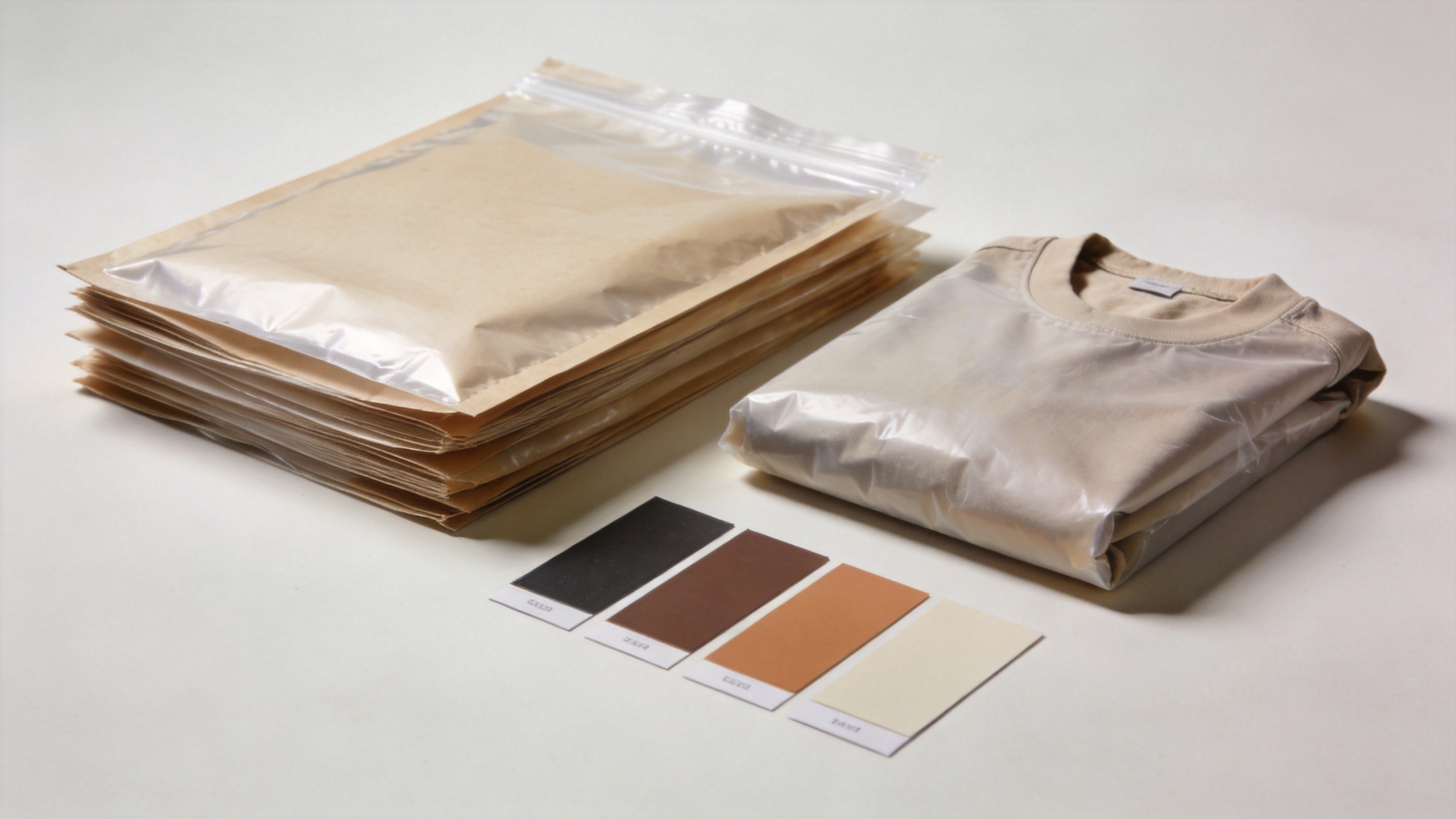
Mailers are lightweight, but they still need to be specified for the journey they will make. Market examples commonly list custom thicknesses such as 2, 2.5, 3, and 4 mil. Those figures are a starting point for a supplier conversation, not a universal rule. Product weight, sharp edges, bundle shape, carrier handling, and transit distance can change the appropriate choice.
One common mistake is to treat a thinner bag as an automatic saving. Once attention moves beyond the per-piece price, the total impact of packing speed, puncture risk, replacement shipments, and brand presentation may change the decision. If a mailer must carry a heavier soft-goods bundle or travel through several handling points, ask for samples and test them with the actual packed item before final approval.
For brands exploring recycled-content options, discuss the claim and the evidence separately. A material direction can be worth evaluating, but it should not be described as a blanket environmental result without confirming the relevant specification and market conditions. The same principle applies to labels, inks, and any large printed coverage area.
Plan logo printing around the artwork, print area, and proof
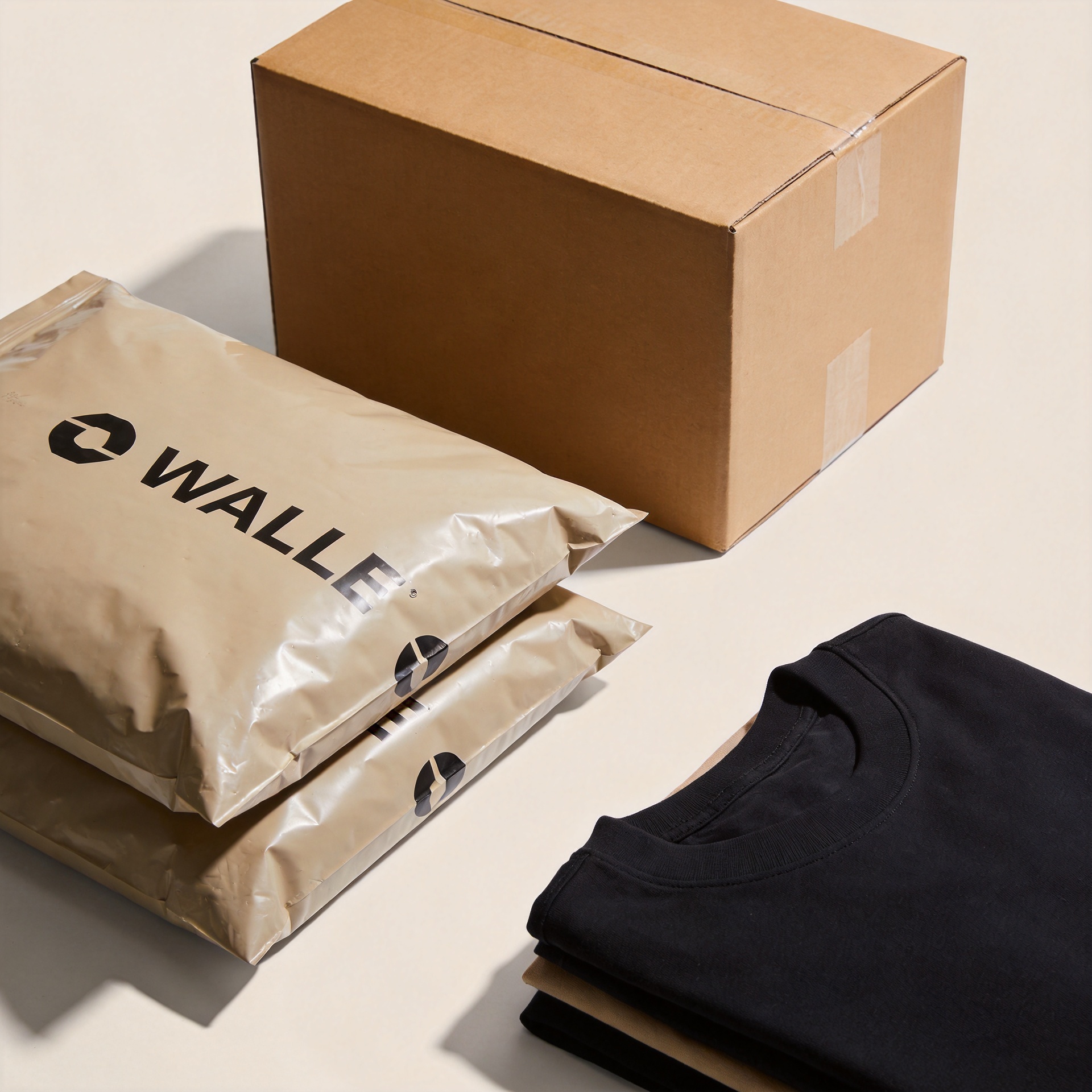
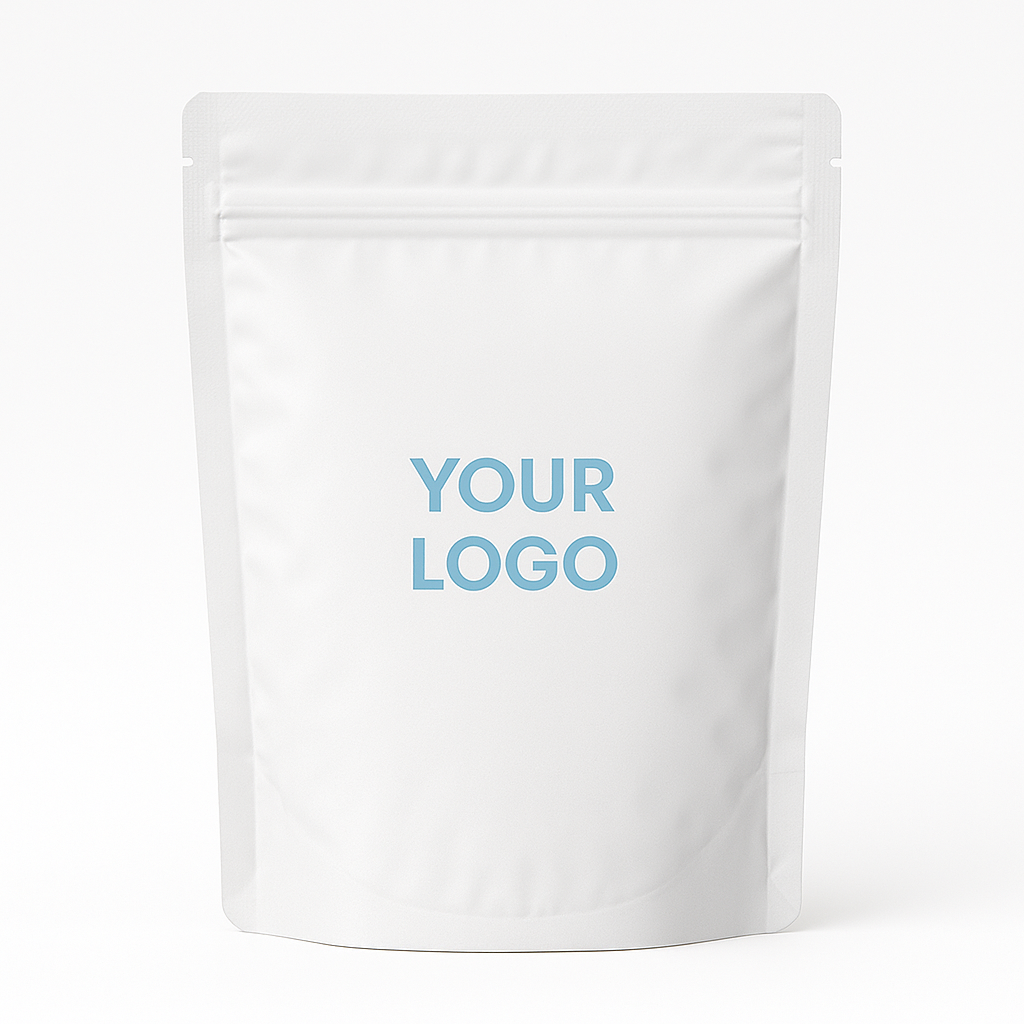
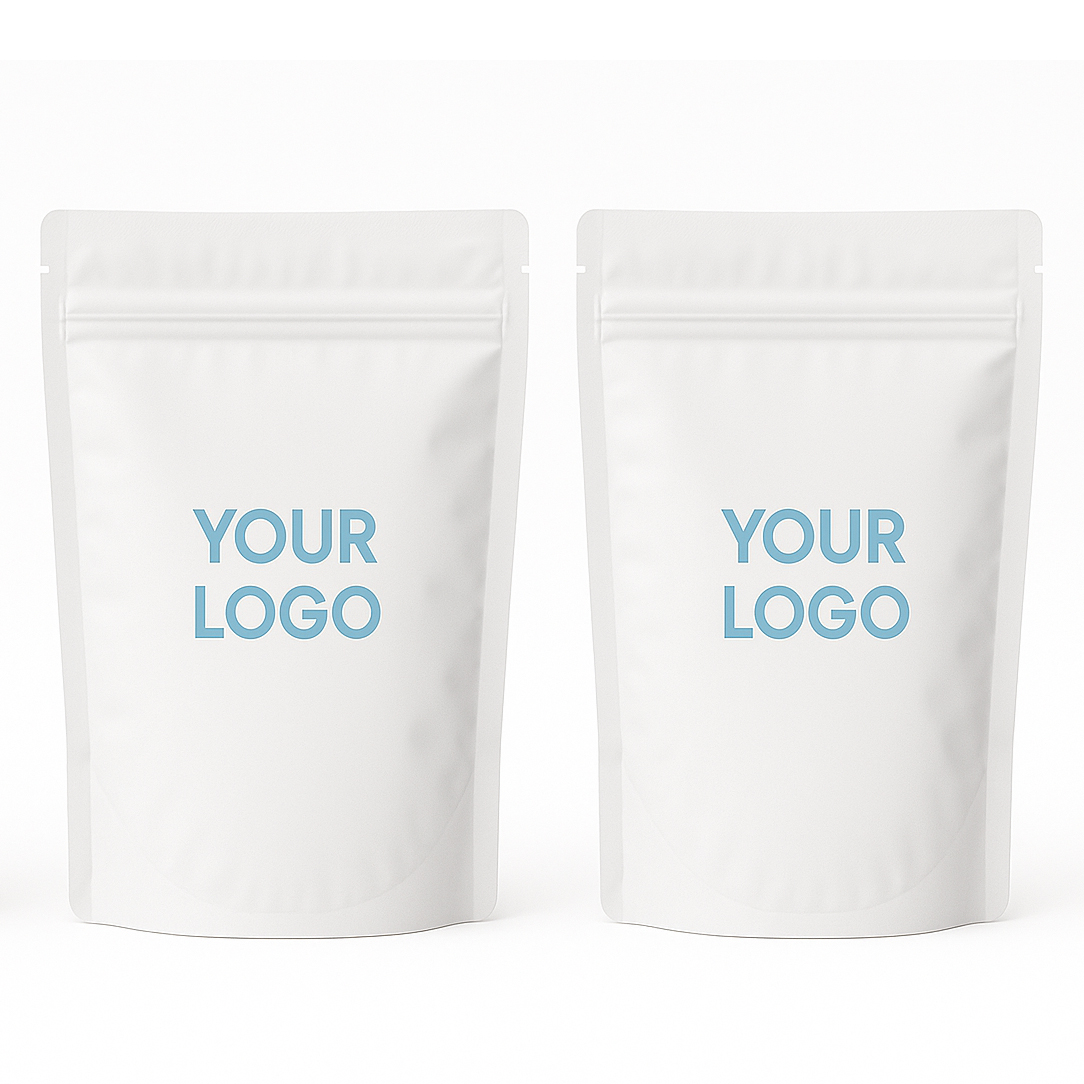
Logo printing is often the element that turns standard shipping material into personalized poly mailers. Before requesting a quote, decide whether the design needs a simple one-color logo, a repeated pattern, a message panel, or a fuller multicolor layout. This affects artwork preparation, print placement, and the proofing conversation.
Vector artwork is widely preferred in commercial prepress workflows; AI files or print-ready PDFs are common starting formats, with fonts outlined and linked elements embedded. Treat those as common preparation practices rather than a substitute for the supplier’s own template. Ask for the printable area, bleed guidance, color expectations, and a digital or physical proof route before production.
More ambitious custom branding usually means confirming specification control earlier. A logo that runs close to a side seal, flap, or gusset can behave differently from the same artwork on a flat screen. Provide the intended bag dimensions with the artwork, and identify which logo details are essential if the layout needs adjustment during proofing.
Compare custom poly mailers by total ordering fit
When comparing custom poly mailers, keep the review specific to your product rather than treating every shipping bag as interchangeable. The preferred option should align with the packed item, required logo treatment, shipment profile, and order schedule. For personalized poly mailers, a simple artwork layout may be a better operational fit than a design that requires late-stage changes after proof review. The aim is not to select the thickest or most heavily printed bag by default; it is to select a specification your team can approve, pack with, and reorder consistently.
Build a bulk-order brief that suppliers can quote accurately
Decision-stage purchasing needs more than a target quantity. A concise brief helps suppliers compare the same requirements and helps your team avoid revisions after quotation. For custom poly mailers, include the information below in the first inquiry:
- Application: product type, packed dimensions, approximate weight, and destination markets.
- Bag specification: requested width and length, flap preference, material direction, thickness range to review, and special features such as a second seal.
- Printing: artwork file, color count or full-color need, print sides, desired placement, and proof requirement.
- Ordering: expected quantity by size or design, delivery destination, timing, and whether repeat orders are likely.
- Validation: sample needs, acceptance criteria, and the person responsible for final artwork approval.
Bulk pricing should be read alongside setup, proofing, packing configuration, freight, and reorder consistency. Asking for price breaks is sensible, but so is asking what changes between quantity tiers: lead time, carton configuration, print method, or tolerance. That comparison gives procurement teams a clearer basis for approving the order.
Use a product reference without assuming unconfirmed specifications
If your program includes recycled mailer options, you can review the available Recycled Poly Mailer page as a product reference while preparing your inquiry. Confirm the final material, dimensions, printing scope, and order terms directly against the approved quotation and proof; a product name alone does not establish every project-specific specification.
What to confirm before approving personalized poly mailers
Before release, put the final details for personalized poly mailers into one approval record: finished dimensions, material and thickness, closure, print colors and placement, artwork version, proof decision, order quantity, delivery destination, and sample or inspection expectations. This step reduces the chance that a quote, a proof, and a packing requirement refer to different versions of the same custom poly mailers project.
A practical approval sequence for custom poly mailers
To keep a bulk order moving, use a simple sequence: first validate the packed product and target size; then align material and thickness with the handling risk; next approve artwork placement on the relevant template; and finally confirm quantity, lead time, delivery, and acceptance criteria. This makes handoffs between brand, procurement, and fulfilment teams easier because everyone is working from the same brief.
For custom poly mailers, a useful quote is more than an attractive unit figure. It is the quote tied to a clear, testable specification. Share the product dimensions, artwork, target quantity, and shipping context early, and ask the supplier to identify any open points before production. That approach gives your team a more reliable path from logo concept to repeatable bulk ordering.