 EN
What to Ask a Stretch Film Supplier Before Buying in Bulk
Bulk buying a stretch film roll is not simply a matter of comparing a quoted price per roll. For a distributor, warehouse, retailer, or export buyer, the right question is whether the film will perform on the actual load, on the actual wrapping equipment, and through the actual transport route. A low initial price can lose its advantage if the film breaks often, does not hold the load, runs poorly on equipment, or arrives in a format that complicates receiving.
From a procurement perspective, put performance, supply consistency, and operating cost on the same checklist. The following supplier questions help turn a broad request for a stretch film roll into a purchase specification that can be reviewed, sampled, and compared.
1. Is this stretch film roll designed for hand wrapping or machine wrapping?
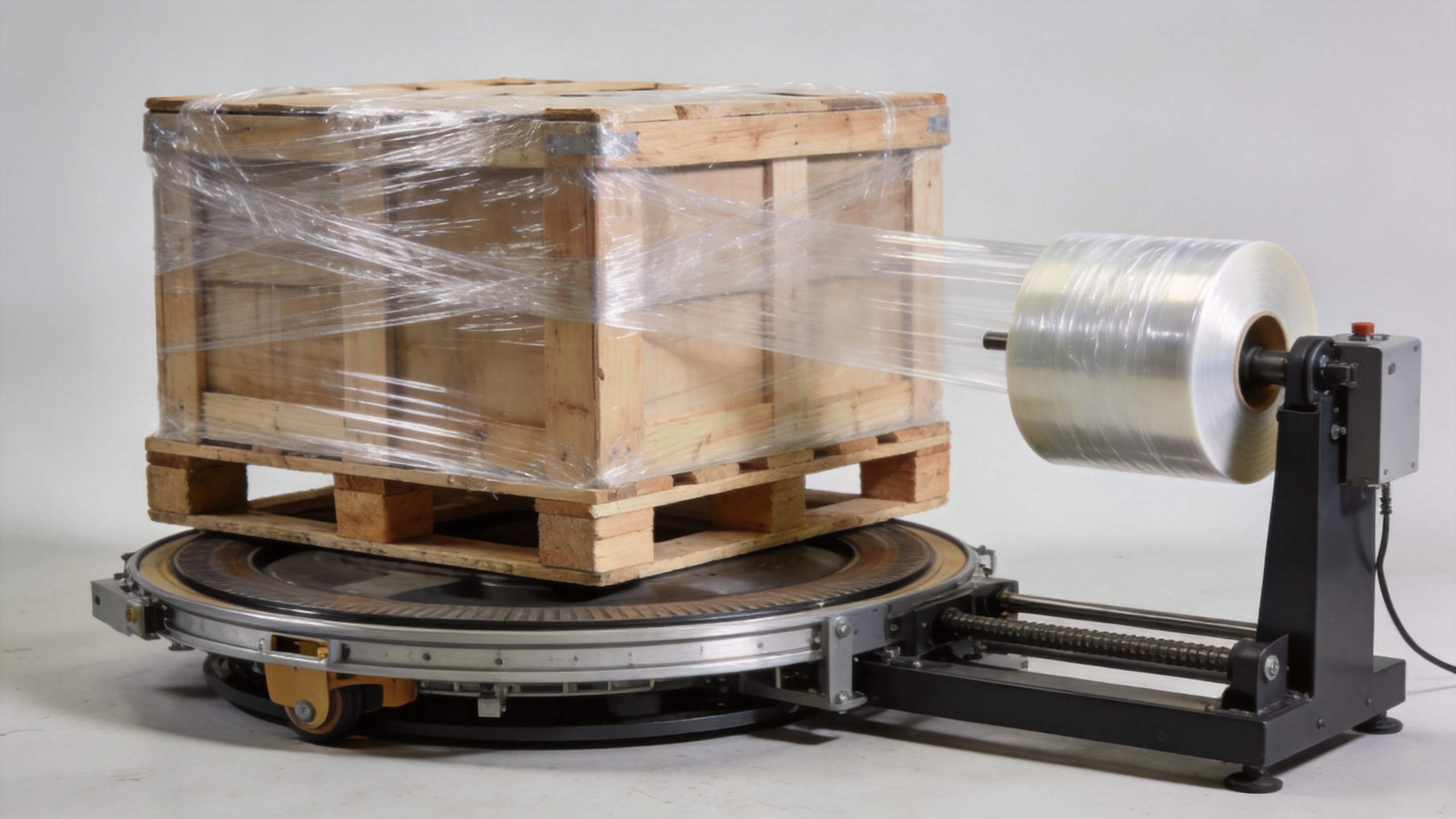
Start with the application method. Hand film and machine film may both be described as stretch wrap, but the working conditions are different. If the line uses a pallet wrapper, ask the supplier to confirm that the proposed stretch film roll is compatible with the machine model, pre-stretch setting, carriage type, and core requirements. Do not assume that a machine-ready product will work well on every wrapper without a trial.
For a stretch wrap for machine application, share the equipment details before asking for a final quotation: the wrapper make and model, turntable or rotary-arm configuration, current film width, core size, target stretch setting, and typical pallets per day. It is also useful to state whether the load is regular, tall, irregular, light, sharp-edged, or dusty. These details give the supplier a basis for proposing a film grade rather than only a generic roll.
- What machine and pre-stretch range was the film designed to run on?
- What core diameter, roll width, and roll length are supplied?
- Can the supplier provide a sample from the same production specification proposed for the order?
- What operating issues should trigger an adjustment to film grade or settings?
2. Which roll specifications are fixed, and which can be adjusted?
A quote for a stretch film roll should identify more than width and nominal thickness. Ask for the agreed unit of measure, tolerance policy, roll length, net and gross weight, core dimensions, color or clarity requirement, and packaging configuration. If gauge is used, ask how it is measured and whether the stated number is an average, a minimum, or a nominal value. The goal is not to make every request overly technical; it is to ensure that different suppliers are pricing the same basis.
Also ask how the supplier will record changes. A substitution in resin, roll length, core, carton count, or packaging method can affect receiving and line operation even when the product name remains the same. A concise specification sheet attached to the purchase order is often more useful than relying on a product name alone.
| Specification to confirm | Why it matters | Question for the supplier |
|---|---|---|
| Width and usable film area | Influences pallet coverage and machine setup | What width tolerance applies to this stretch film roll? |
| Length or net film weight | Supports cost-per-pallet comparison | How is the declared length verified for each roll? |
| Core size and roll build | Must fit handling or wrapping equipment | Which core dimensions are standard, and can they be documented? |
| Carton and pallet pack | Affects unloading, storage, and freight planning | How many rolls per carton and cartons per export pallet? |
3. What performance information supports the proposed film grade?
Ask the supplier to explain the performance claims in a way that relates to your load. Stretchability, cling, puncture resistance, tear behavior, and holding force can all matter, but no single number tells the whole story. For example, high elongation is not automatically the right answer if the wrapped load still shifts or if the film does not run consistently at your chosen settings.
ASTM D4649 is a guide covering the selection, specification, and use of stretch films for unitizing, reinforcing, and palletizing. It can be a useful reference point for a sourcing conversation, rather than a reason to make unsupported certification claims. When a supplier reports tensile values, ask which method and test conditions were used. ASTM D882 is a recognized test method for tensile properties of thin plastic film and sheeting, so it provides a practical example of the kind of method a buyer can ask the supplier to identify.
- Which tests or internal controls support the quoted film grade?
- What are the test directions, sample conditions, and acceptance ranges?
- How does the supplier assess cling, puncture resistance, and load retention for a comparable pallet?
- What documentation can be supplied with samples and with the production order?
In this kind of purchase, it is usually better to request evidence and a representative trial than to treat a marketing term as a final performance guarantee.
4. Will the film match the pallet load and transport conditions?
Describe the job the film must do. Include pallet dimensions, load weight, stacking pattern, corner sharpness, carton or bag surface, storage temperature, and whether the shipment faces long-distance road, sea, or mixed transport. A stretch film roll that is acceptable for a stable warehouse-to-store movement may need a different evaluation for export loads, variable temperatures, or irregular goods.
It helps to agree on a small trial protocol. Wrap a representative pallet with the proposed stretch film roll, record the machine setting or wrapping pattern, and inspect it after the relevant handling stage. If the buyer uses a stretch wrap for machine, record film breaks, web tracking, roll change frequency, and whether the load stays stable. The intent is to compare like for like, not to promise a result before the application is known.
5. What should the supplier confirm about quality consistency and traceability?
For recurring bulk purchases, consistency can matter as much as the first sample. Ask whether the supplier can identify lot or batch information, retain production records, and explain how a nonconforming roll will be handled. Clarify what happens if delivered rolls differ from the approved sample in width, length, packaging, or running behavior.
A practical quality discussion should cover incoming inspection as well. Decide what your team will check on arrival: carton condition, roll count, labels, visible damage, core condition, and the documents supplied. Then agree on the evidence needed if there is a claim. This keeps the conversation focused on observable facts rather than assumptions.
6. What commercial and shipping details belong in the bulk quotation?
Before choosing a supplier, request a quotation that separates product price from the details that shape total landed cost. Ask for MOQ, lead time, payment terms, quote validity, carton and pallet configuration, export packing, shipment port or delivery basis, and the process for approving artwork or labels if relevant. If you expect repeat orders, ask how the supplier will manage specification changes and forecast communication.
Move the discussion beyond a single roll price. Freight efficiency, pallet stability, storage footprint, roll change time, and avoidable film waste may influence the project. The correct choice depends on the load and the operating process, so these factors should be compared under your own conditions rather than presented as universal savings.
7. Send a clearer inquiry and run a controlled first order
A complete inquiry gives the supplier a better chance of proposing the right stretch film roll. Include the intended application, machine details if applicable, pallet dimensions, load type, current film specification, expected order quantity, destination market, and the documents you want with the quote. You can then request a sample or trial before a larger commitment.
Buyers looking for a starting point can review the available Machine Stretch Film product page and use the specification questions above to structure their inquiry. The page should be treated as a product reference; final suitability still needs to be confirmed against the wrapping equipment, load, and shipment conditions.
Final checklist: confirm application method, equipment fit, roll specification, performance evidence, pallet conditions, quality documentation, packing format, and commercial terms. Asking those questions before you buy in bulk makes the supplier comparison more transparent and gives the first production order a clearer standard for acceptance.