 EN
Cast Stretch Film vs Pre-Stretched Film: Key Differences for Pallet Wrapping
For a logistics buyer, choosing pallet film is rarely just a question of roll price. The practical question is whether the film, the wrapper, and the load work together to keep a unit stable from the packing line to delivery. Cast stretch film and pre-stretched film are often discussed as if they are direct opposites. They describe different things: cast refers to a film-making process, while pre-stretched describes film that has already been elongated before it reaches the load. A pallet project can involve cast stretch film that is then pre-stretched on a machine, so the terms should not be treated as mutually exclusive.
From a B2B purchasing perspective, put containment, wrapper capability, load shape, handling conditions, and specification clarity on the same checklist. That approach is more useful than comparing thickness alone.
Start with the right comparison: process versus delivery state
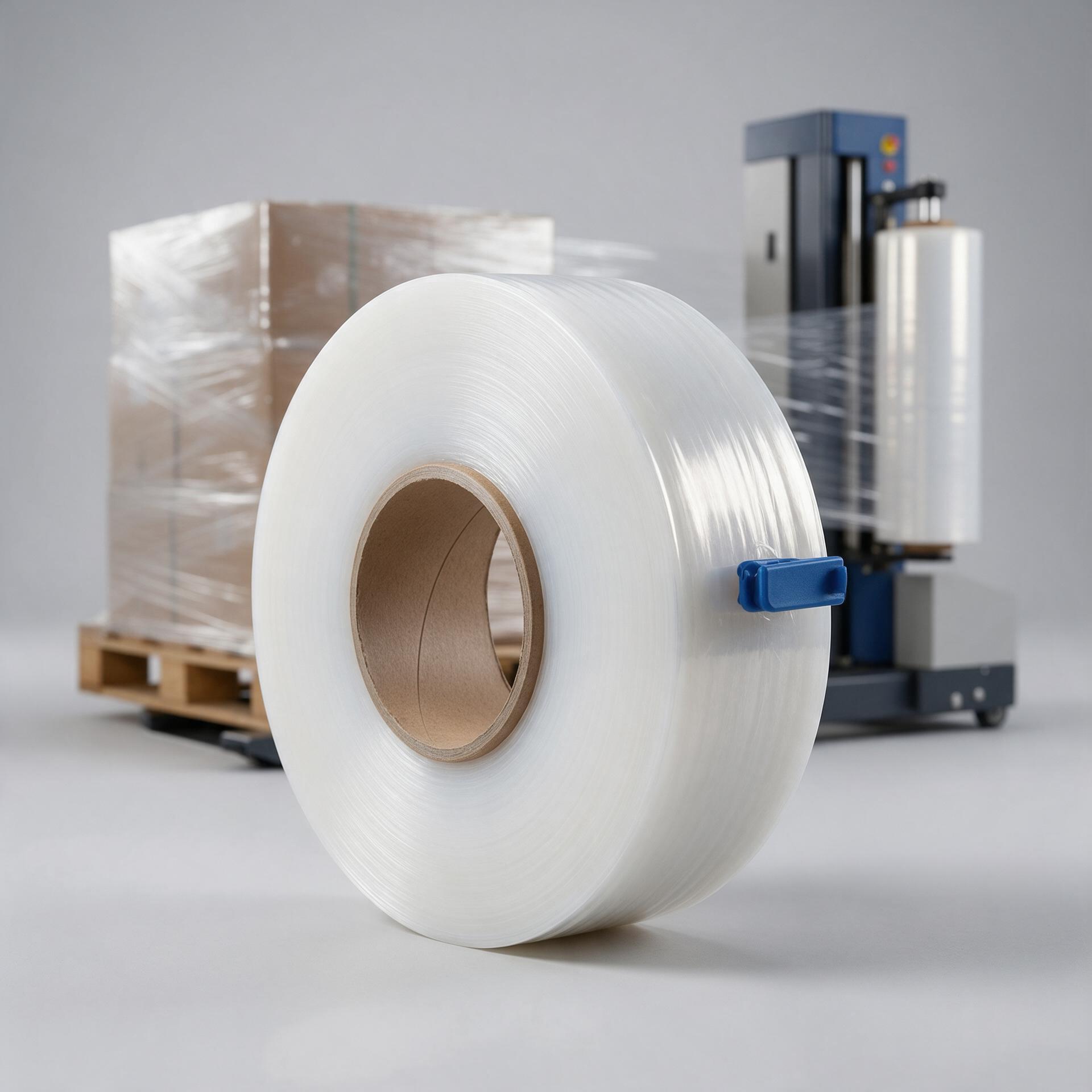
Cast stretch film is made by extruding heated resin through a flat die and cooling it on a chill roll. In typical pallet-wrapping applications, buyers may value its clear appearance, consistent unwinding behavior, and suitability for many standard loads. The actual behavior of any roll still depends on resin design, gauge, cling system, and the application settings used.
Pre-stretched film has been stretched before it is supplied for wrapping. It may be intended for manual use or for a specific machine setup. Because part of the elongation work has already happened, the application process can differ from conventional film. That does not automatically make it the preferred choice for every pallet. The relevant question is whether the remaining tension and recovery behavior produce the containment required for the actual load.
In other words, cast is a manufacturing description and pre-stretched is an application-state description. A procurement brief should ask both questions: what film construction is being supplied, and how will it be stretched at the point of use?
How the two options change a pallet-wrapping workflow
| Decision area | Cast stretch film | Pre-stretched film | Buyer check |
|---|---|---|---|
| What the name describes | Flat-die cast manufacturing process | Film elongated before wrapping | Confirm both film construction and application method. |
| Application approach | Often stretched during manual or machine application | Uses a pre-elongated web with a defined operating method | Match the roll to the dispenser or wrapper settings. |
| Specification discussion | May focus on gauge, width, film behavior, and unwind consistency | Should include the intended pre-stretch level and use method | Request a sample trial on representative loads. |
| Cost comparison | Do not stop at price per roll | Do not assume less material will provide adequate containment in every application | Compare applied film, wrap pattern, labor or machine time, and load results. |
The table is a starting point, not a substitute for a trial. Film names alone cannot predict how a tall, light, irregular, or edge-sensitive pallet will behave in transit. A lower roll count may look attractive, but a containment shortfall can create a larger operational issue than the initial material saving.
Machine compatibility is a deciding factor
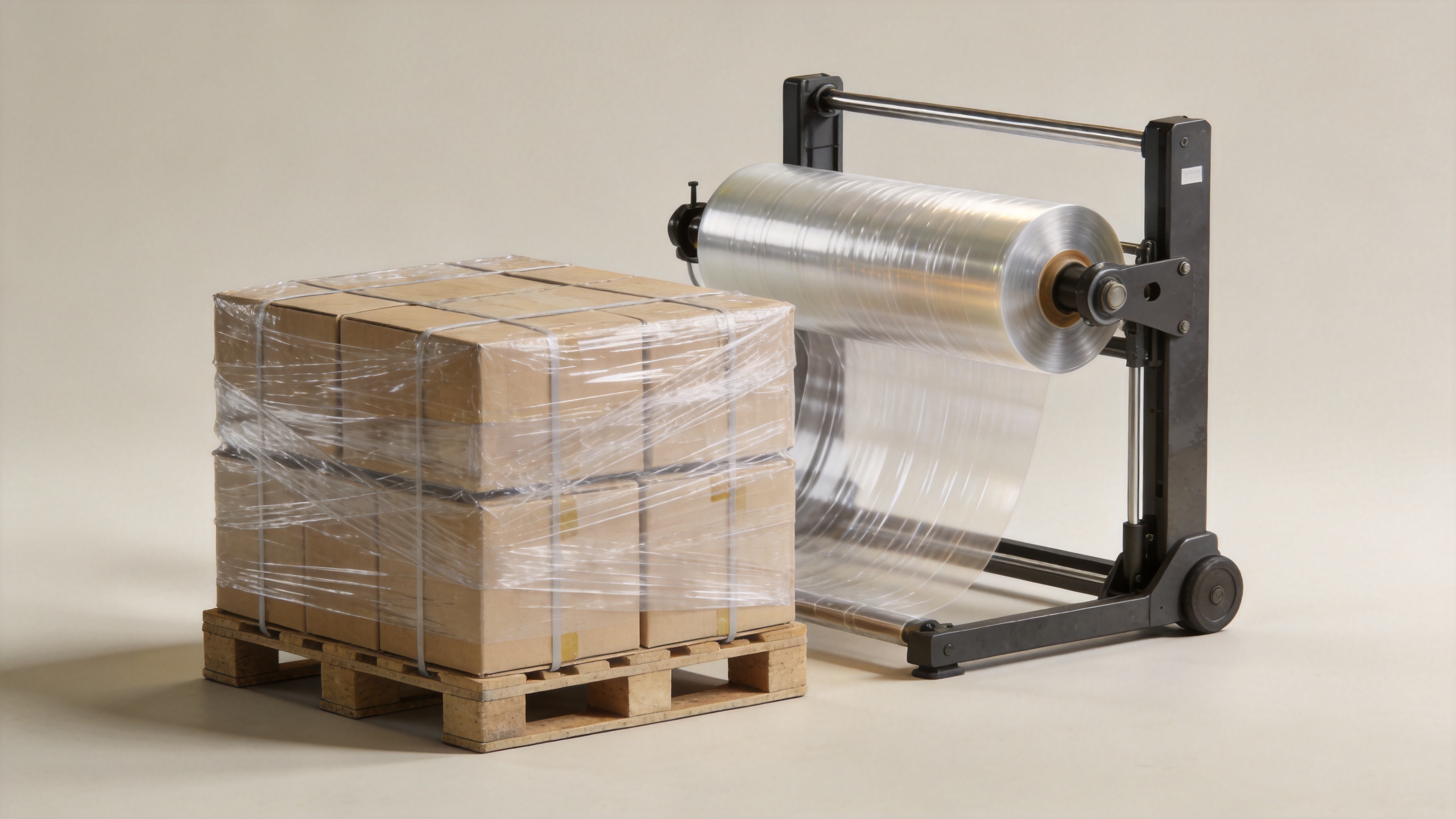
Some wrappers stretch film through powered pre-stretch rollers before it reaches the load. In that setting, conventional cast stretch film may be selected to work with the machine's designed stretch ratio and wrap program. Pre-stretched film may require a different setup, and applying it through an unsuitable roller arrangement can change the tension delivered to the pallet.
Before switching materials, confirm the wrapper model, film carriage configuration, available tension controls, roll width, core format, and the wrap pattern used for the load. This is especially important where several shifts or sites use different equipment. A film trial should use the same top and bottom wraps, overlap, turntable speed, and transport conditions that the operation expects to use after purchase.
If you are reviewing film for an automated line, the site's Machine Stretch Film product page can serve as a starting point for a specification conversation. Final selection should still be based on confirmed roll details and a live application test rather than an assumed performance claim.
Evaluate containment, not gauge alone
Gauge is easy to list on a quotation, but it is only one input. Buyers should evaluate how the applied film holds the load together after wrapping, through handling, and after a period of storage. Film recovery, wrap force, load geometry, corner protection, and the number of wraps all influence the outcome. A thinner roll is not automatically a poor fit, and a thicker roll is not automatically a safer fit.
ASTM D4649 is a useful reference point for conversations about the selection, specification, and use of stretch wrap films for unitizing and palletizing. It can help teams frame a repeatable evaluation method. It should not be presented as product certification or as a shortcut around site-specific testing.
A practical trial record can include the pallet dimensions, weight distribution, product surface, edge-exposure risk, wrap program, film consumption, observed damage, and post-wrap stability. When teams move their attention from unit price to the total effect of applied film and load performance, the preferred option may change.
When cast stretch film may suit the job
Cast stretch film can be a sensible option when a buyer needs a film that works predictably with an existing stretch-wrapper program and wants to define performance through application settings. It is commonly considered for regular pallet formats, operations that benefit from visual load inspection, and programs where a machine can control pre-stretch during wrapping.
The decision is conditional. Confirm the load profile, required containment, environmental exposure, and the machine’s workable stretch range before setting a standard. If the load changes frequently, establish more than one qualified wrap recipe instead of forcing a single film-and-settings combination onto every SKU.
When pre-stretched film may suit the job
Pre-stretched film may be worth evaluating when the operation needs a simpler application method or wants to reduce the stretching work performed during wrapping. It can be relevant to manual processes and to equipment configurations designed for that product form. The right result depends on whether the supplied film and the application method deliver sufficient, repeatable containment for the actual shipment.
Ask suppliers to state the intended use method clearly. Then run a side-by-side trial using the same representative pallets. Review not only material use, but also operator handling, edge damage, load movement, consistency across shifts, and any change to warehouse or transport exceptions.
A procurement checklist for pallet-wrapping film
- Describe the load: dimensions, weight distribution, surface condition, corners, and stack pattern.
- Document the wrapping method: manual dispenser, semi-automatic wrapper, or automatic line.
- Ask whether the quoted film is cast stretch film, pre-stretched film, or a cast film intended for machine pre-stretch.
- Confirm roll dimensions, core format, gauge, and any machine-setting guidance before ordering.
- Run controlled trials on representative pallets rather than relying on a visual comparison of rolls.
- Compare applied consumption, wrapping time, load stability, and handling outcomes together.
- Keep the successful wrap recipe with the purchase specification so teams can repeat it.
The practical conclusion
Cast stretch film and pre-stretched film should not be treated as a simple either-or contest. One term explains how film is produced; the other explains its condition before application. For pallet wrapping, the suitable choice is the one that matches the load, the equipment, and a verified containment target. Define the application conditions first, test on representative pallets, and use the results to build a specification that purchasing, operations, and suppliers can all follow.
Questions to settle before approving a film change
When comparing quotations, ask the supplier to separate the base film construction from the proposed application method. For cast stretch film, ask how the roll is intended to behave at the chosen carriage settings. For pre-stretched film, ask what dispenser or wrapper arrangement the supplier expects. Then verify the answer on the same pallet patterns used in normal dispatches.
It also helps to agree on what “acceptable” means before a trial begins. The team may look for stable carton alignment, repeatable wrap coverage, intact film around exposed corners, and no unexpected movement after routine handling. These are operational observations, not a universal promise. They give purchasing and warehouse teams a shared way to compare cast stretch film with pre-stretched film on the loads that matter to the business.
Record the film code, roll width, gauge, wrap count, overlap, tension setting, and test-load description in the approval file. That record makes later replenishment conversations more precise. If a new supplier proposes a different cast stretch film or a pre-stretched alternative, the operation can repeat the same test rather than restarting the selection process from memory.