 EN
How to Select Plastic Food Containers for Hot and Cold Takeaway Menus
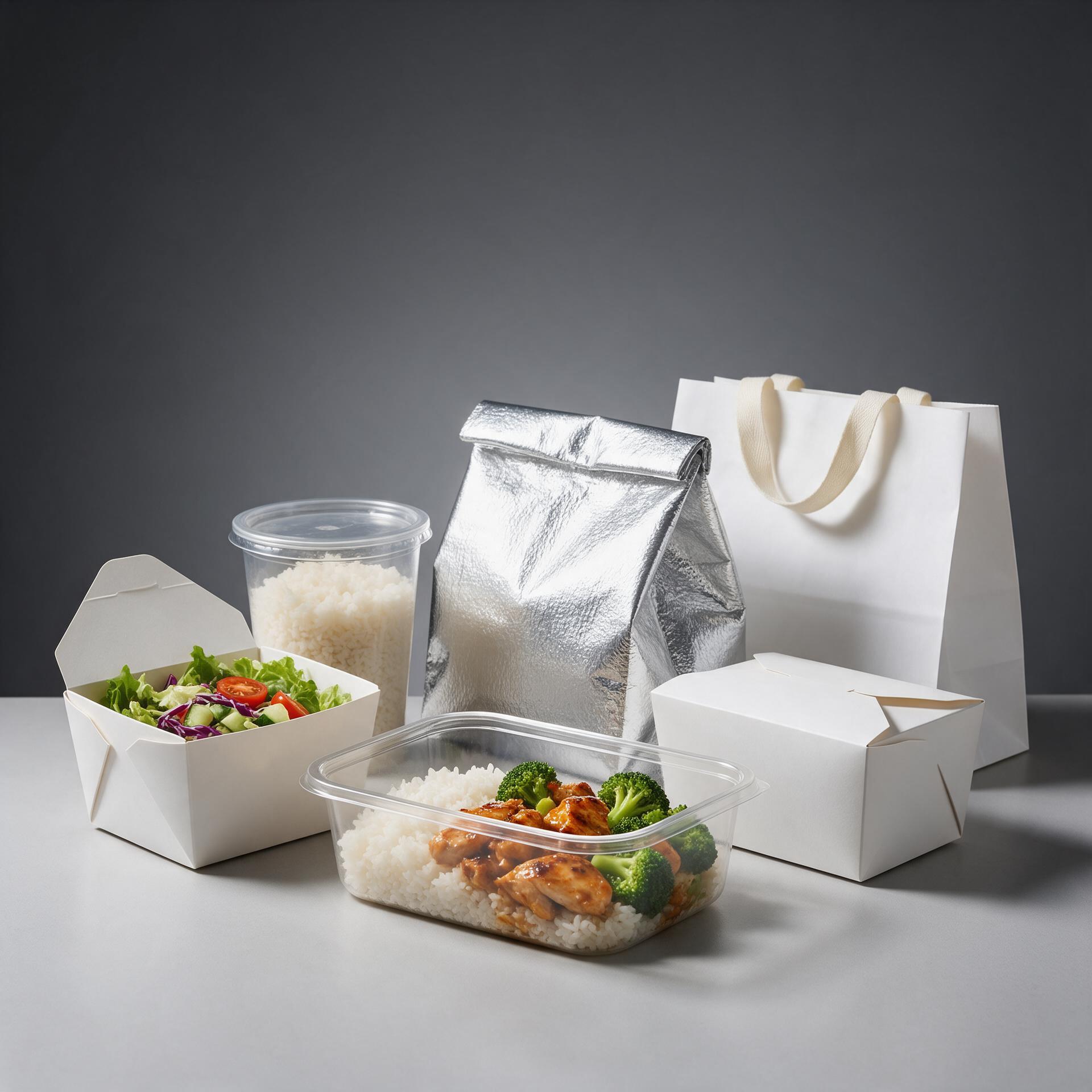
Choosing a plastic food container for takeaway is not a matter of picking one material and using it for every dish. A cold grain bowl, hot noodle soup, crisp fried chicken, and a saucy curry create very different demands on the pack. From a B2B purchasing perspective, the practical task is to match the container, lid, shape, and service conditions to the menu before comparing unit price.
The difference shows up in routine service: a container that works for chilled food may not suit a steaming meal, while a pack that looks tidy at the counter can behave differently after stacking and delivery. Start with the food itself, then confirm the intended use conditions with the supplier.
Start With the Menu, Not the Material Name
Before asking for samples, divide the menu into use cases. Record whether each item is served hot or cold, dry or liquid, eaten immediately or reheated, and delivered alone or stacked with other orders. This turns a broad plastic food container request into a usable specification.
| Menu condition | Questions to ask | Container features to evaluate |
|---|---|---|
| Hot, saucy meals | What is the fill temperature? How long is the delivery window? | Lid fit, leak resistance, rigidity, heat-use declaration |
| Cold salads and desserts | Will condensation affect presentation? Is visibility useful? | Clarity, cold-use suitability, lid seal, stackability |
| Mixed meals | Must sauces, sides, and proteins stay separate? | Compartment layout, portion volume, lid clearance |
| Reheat-at-home orders | Will customers use a microwave? Under what instructions? | Specific microwave-use declaration and use limitations |
Material terminology is only the starting point. The relevant question is whether the finished plastic food container, including its lid and any inserts, is specified for the food type, temperature, and handling you expect. Food-contact permissions are tied to identity, intended use, and conditions of use, so procurement teams should request documentation for the actual application rather than infer suitability from a resin name alone.
Set Different Requirements for Hot and Cold Food
For hot takeaway, temperature, steam, and sauce are often the deciding factors. Ask for the supplier’s declared temperature range, filling guidance, lid instructions, and any relevant food-contact documentation for the target market. If the order may be reheated, do not assume that every plastic food container is microwave-suitable. The U.S. FDA notes that plastic containers can become hot from the food inside a microwave and that some plastics may melt; the specific container’s intended-use statement is what matters.
For cold menus, the selection focus can shift toward condensation, product visibility, stacking, and seal reliability. A salad, fruit cup, or chilled dessert may benefit from a format that lets staff verify presentation at handoff. Even then, test the lid after refrigeration and transport rather than judging it only at the packing bench.
In both cases, make the expected delivery time part of the brief. A container that is acceptable for a short counter-service handoff may need a different lid or stronger rim when it travels in a rider bag with several other orders.
Compare the Full Packaging System
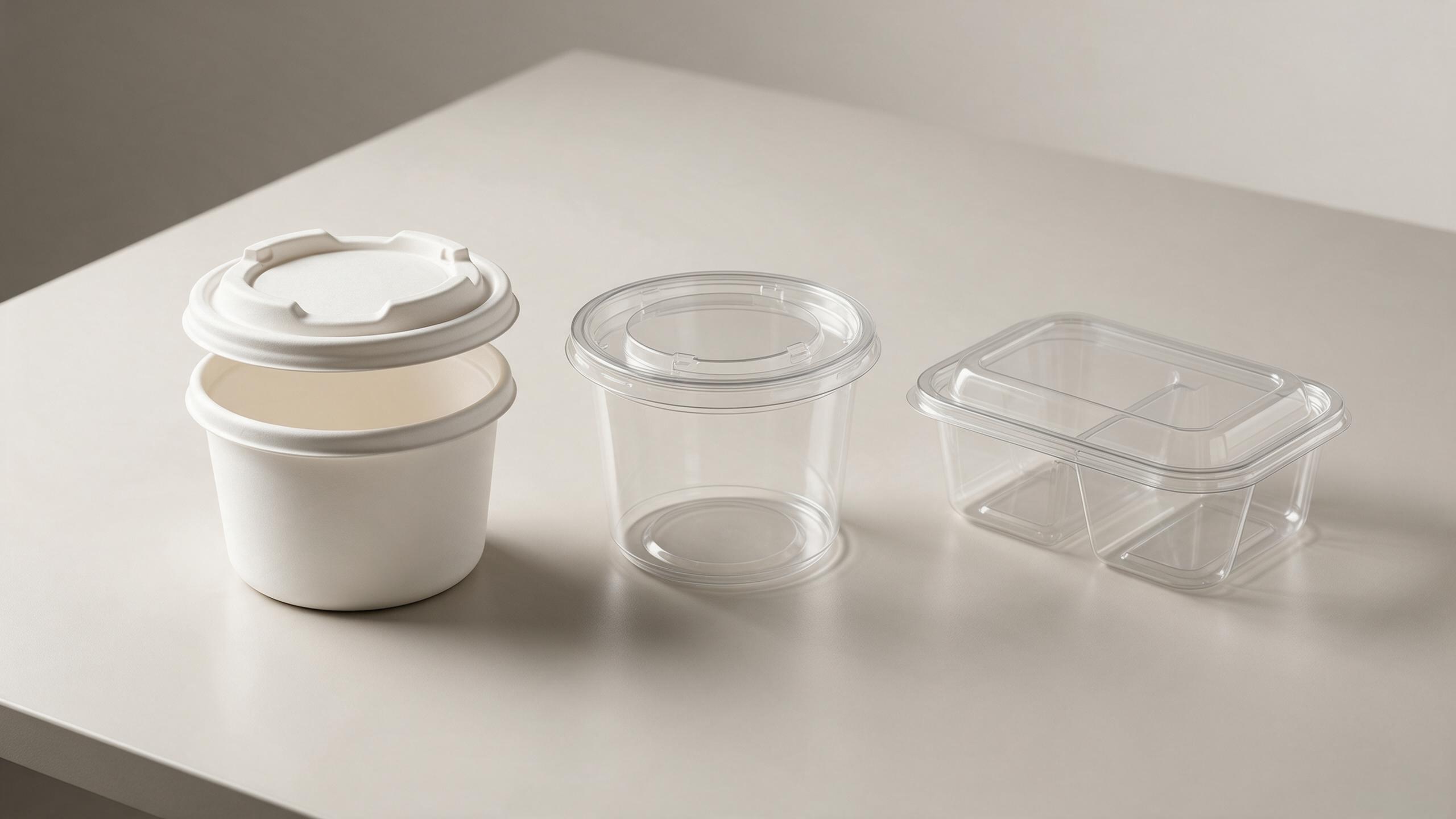
A useful comparison goes beyond the container body material. Evaluate the body, lid, compartment geometry, filling level, seal method, and outer delivery bag together. Moving attention from unit cost to the full delivery result often changes the decision: a small saving on a container can be offset by spills, remakes, or inconsistent presentation.
- Leak risk: test thin sauces, oil, and soups with the actual fill volume, not water alone.
- Stacking: check whether the lid supports the next pack without pressing into the food.
- Headspace: leave room for steam, toppings, or a lid that should not touch the meal.
- Portion control: map each compartment volume to the menu portion rather than relying on an overall capacity figure.
- Workflow: ask whether staff can close the pack consistently during peak service.
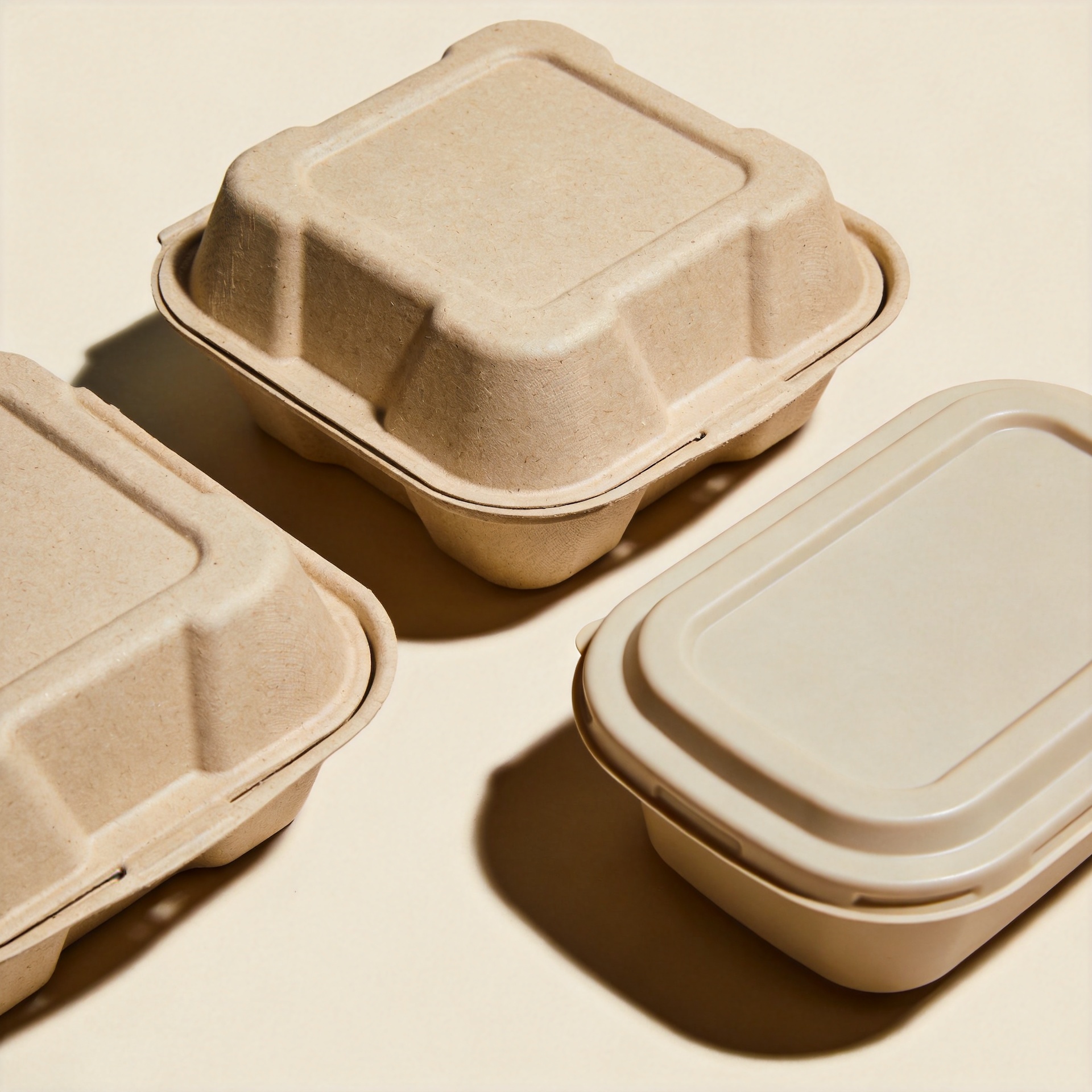
A divided format can be useful when a menu needs separation between mains, sides, or sauces. For buyers comparing compartmented takeaway formats, Sugarcane Compartment Meal Boxes provide one existing product-page reference for discussing layout requirements; confirm the actual material, size, lid arrangement, and food-use conditions with the supplier before assigning the format to a specific menu.
Build a Sample Test Around Real Delivery Conditions
Samples need to answer operational questions, not merely confirm appearance. Prepare a short test plan for each candidate plastic food container:
- Pack the actual recipe at its normal serving temperature and fill level.
- Close the container using the same staff motion planned for service.
- Stack it with representative orders in the intended delivery bag.
- Check it after the typical delivery interval for leakage, lid movement, condensation, and food migration between compartments.
- Repeat for the cold-menu version and, if relevant, follow the supplier’s stated reheating instructions.
In this kind of purchasing conversation, asking a specific question is usually more useful than requesting a generic “food safe” statement. For example: What food types and temperatures does this finished plastic food container support? Is the lid supplied for the same condition? What are the filling, storage, and reheating limitations? For export projects, the target market should also be confirmed before finalizing claims or documentation needs.
Turn the Comparison Into a Purchase Specification
After menu testing points to a suitable direction, capture the decision in a simple specification sheet. Include SKU or shape, body and lid configuration, menu item, target fill volume, expected fill temperature, delivery duration, stack height, required documentation, and acceptance checks. This gives operations, purchasing, and suppliers the same reference point.
For a mixed takeaway menu, it is common to specify more than one format: one plastic food container for hot saucy dishes, another for chilled items, and a compartmented option where separation protects presentation. That is usually more reliable than forcing one universal pack onto every item.
Use a Plastic Food Container Specification Worksheet
For each shortlisted plastic food container, give purchasing and operations the same worksheet. The worksheet should name the menu item, expected fill temperature, target portion, liquid level, delivery duration, and lid configuration. A plastic food container that meets the worksheet for one dish should still be checked independently for another dish with a different sauce, temperature, or hold time.
| Plastic food container check | What to record | Who confirms it |
|---|---|---|
| Plastic food container body | Material statement, capacity, shape, and intended food-use conditions | Supplier and purchasing team |
| Plastic food container lid | Closure method, compatible body, filling limitation, and transport test result | Supplier and operations team |
| Plastic food container menu fit | Food temperature, sauce level, compartment need, and presentation result | Kitchen and menu team |
| Plastic food container delivery fit | Stack test, leak observation, and delivery-bag handling result | Operations team |
Keep sample results with the purchasing file. When a plastic food container is changed because of price, size, or supply availability, rerun the key menu test rather than transferring approval automatically. The replacement plastic food container may have a different rim, lid fit, wall thickness, or stacking behavior even when its overall dimensions look similar.
This record also improves supplier communication. Instead of asking whether a plastic food container is suitable in general, a buyer can submit the exact expected use. That makes it easier to compare samples and to identify when one plastic food container should be reserved for a particular hot or cold menu group.
A Practical Decision Checklist
- What are the hottest and coldest menu items this pack will hold?
- Does the food contain liquid, oil, steam, or crisp components that need special handling?
- Do portions need separate compartments?
- What happens after realistic stacking and delivery?
- What specific food-contact and intended-use information is needed for the target market?
- Can the supplier provide samples that match the final lid and configuration?
The right plastic food container is the one that fits the menu conditions and can be consistently packed, delivered, and documented for its intended use. Keep the selection evidence-based: verify the use conditions, test the complete pack system, and turn the results into a clear purchasing specification.