 EN
Sugarcane Bagasse Boxes vs Plastic Takeaway Containers: How to Choose
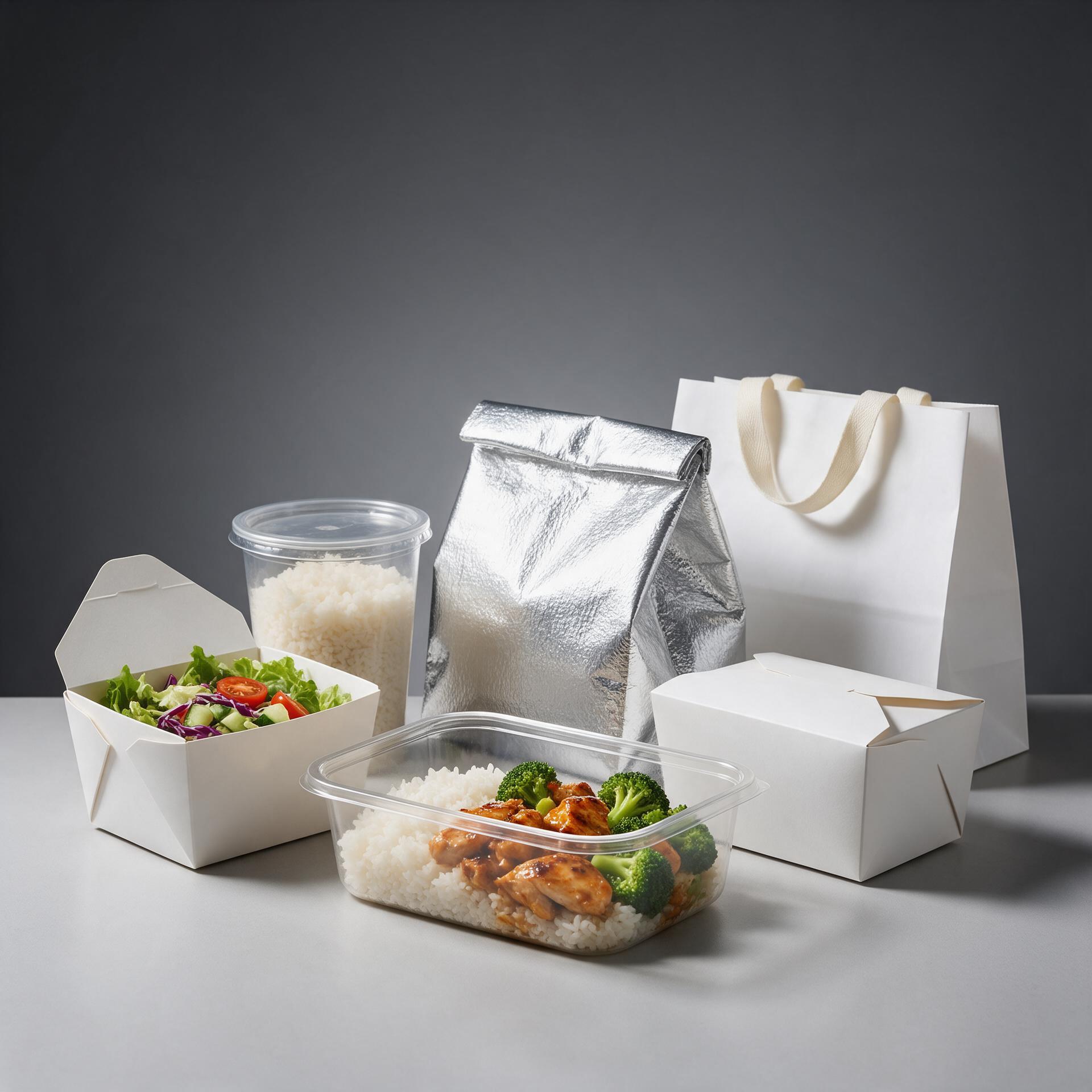
For a foodservice buyer, choosing between bagasse boxes and plastic takeaway containers is not a simple material preference. The right choice depends on the menu, filling temperature, holding time, delivery route, lid requirement, local disposal route, and the documents required in the target market. A container that suits a dry bakery item may not suit a sauce-heavy meal; a format that works at a counter may need a different closure for delivery.
This comparison uses a procurement lens. Rather than treating bagasse boxes as automatically preferable or plastic as automatically more practical, start with the operating conditions your container must meet. That approach gives purchasing, operations, and brand teams a shared way to narrow options.
Start with the meal and service model—not the material label
Bagasse is molded fiber made from sugarcane residue. Plastic takeaway containers can use different resin types and constructions, so “plastic” is not one performance category. Likewise, bagasse boxes vary by shape, wall thickness, compartment layout, hinge design, and any added coating or closure component. Ask suppliers to describe the exact construction before comparing quotations.
Begin with these operating questions:
- Is the food hot, cold, oily, wet, acidic, dry, or a combination?
- How long will the meal remain in the container before it is eaten?
- Will the order be stacked, carried, or transported by delivery riders?
- Does the menu require a tight lid, a hinged clamshell, compartments, or visible presentation?
- Which market will receive the product, and what food-contact and disposal documentation is required there?
For U.S.-bound projects, food-contact substances that qualify as food additives must be authorized for their intended use before marketing. That is a useful reminder to request market-relevant documentation for the finished article and intended application, rather than relying on a general material description.
Bagasse boxes: where the format can fit
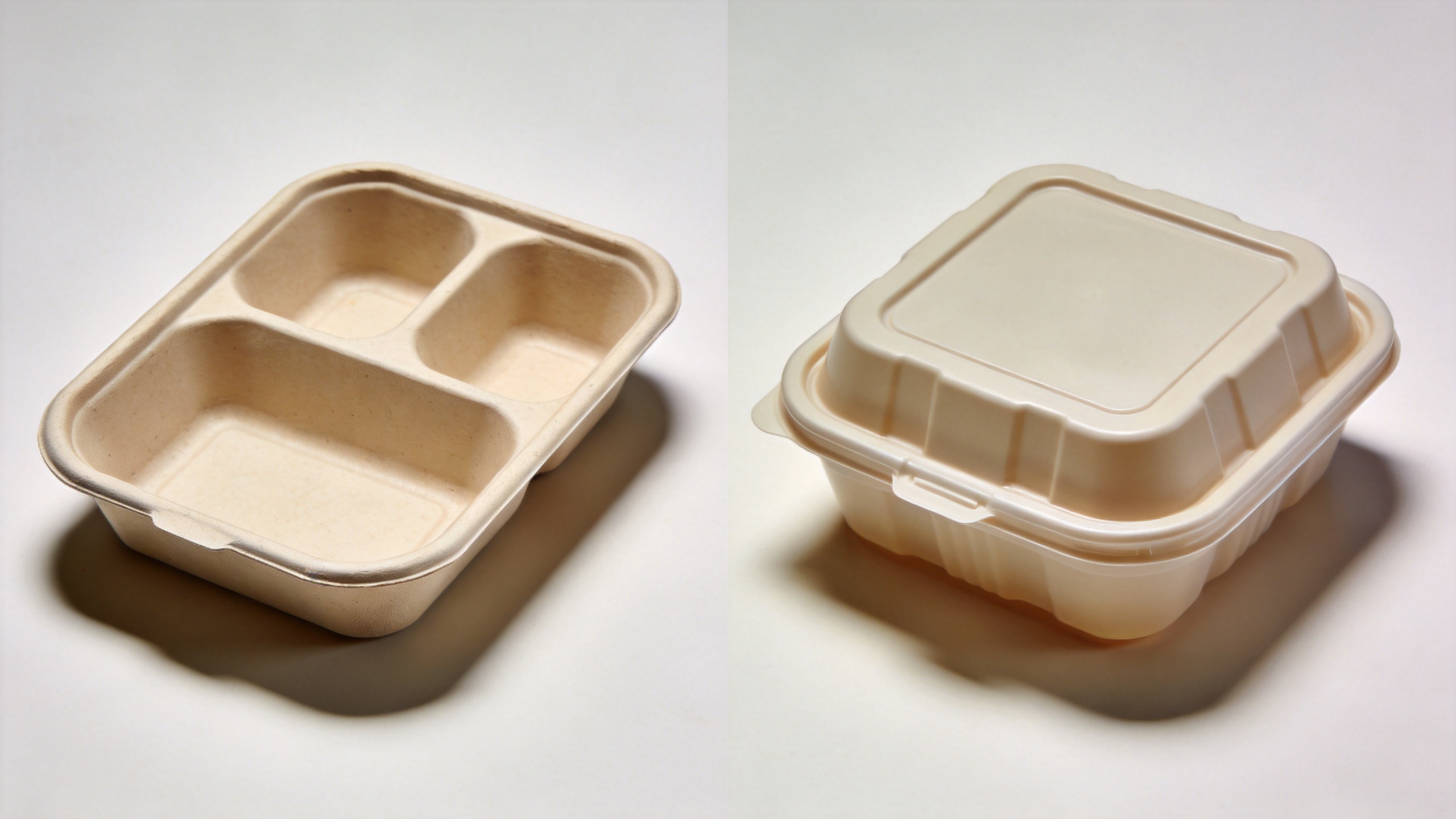
Bagasse boxes are often considered when a buyer wants a fiber-based takeaway format for prepared foods. Their opaque, molded appearance can support a natural presentation, and compartmented designs can help separate menu components. The practical question is not whether all bagasse boxes behave the same way; it is whether a particular format has been evaluated for the buyer’s food, fill temperature, dwell time, and handling conditions.
They can be a sensible shortlist item for dine-in leftovers, counter takeaway, meal-prep programs, and selected delivery menus where the menu and closure design are aligned. For example, buyers assessing compartment formats can review the available Sugarcane Compartment Meal Boxes as a starting point for structure and inquiry discussion. The product page confirms the category and format; it should not be used to infer unlisted performance, certification, or compliance claims.
A common oversight is to discuss bagasse boxes only in terms of material origin. Food residue, moisture exposure, stacking pressure, and closure fit can change the actual user experience. If the route includes a long delivery window or liquid dishes, request samples and test the assembled order under representative conditions.
Plastic takeaway containers: where they may remain practical
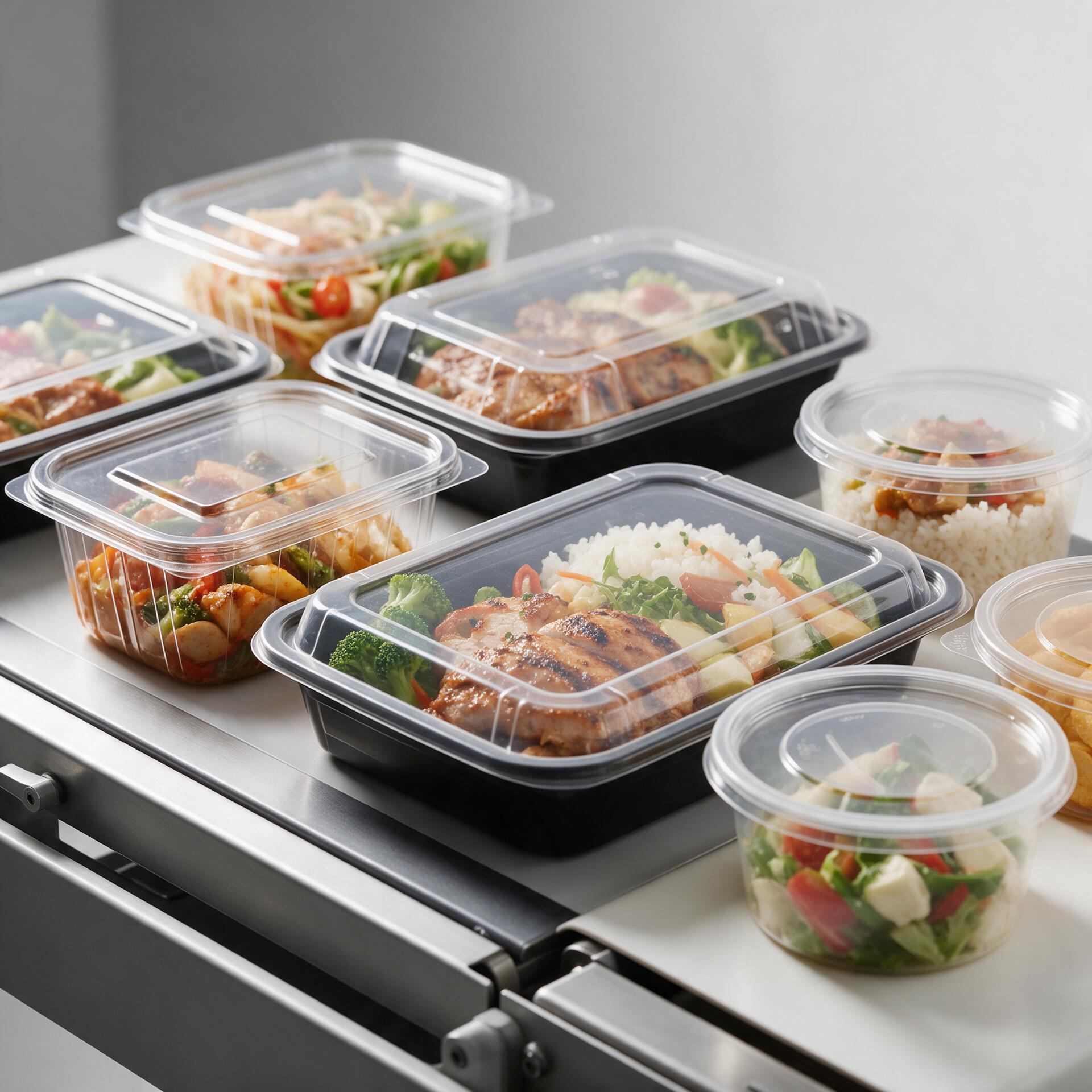
Plastic containers can offer a broad choice of shapes, clarity, lid systems, and established supply options. Depending on the specific material and design, they may be considered for menus that need a secure lid, visual product display, repeated stacking, or a familiar filling line workflow. Those are application advantages to assess, not universal claims about every plastic container.
When comparing plastic against bagasse boxes, specify the resin, lid design, and any label or accessory. A clear base with a separate lid is a different purchase decision from a hinged opaque container. Material name alone is not enough; the full structure and intended use should be recorded in the RFQ.
A procurement comparison: use the same questions for both
| Decision area | Questions for bagasse boxes | Questions for plastic containers |
|---|---|---|
| Food compatibility | Can the selected construction handle the actual meal, temperature, oil, and hold time? | Does the specified resin and lid system suit the same conditions? |
| Delivery handling | How does the closed pack perform when stacked and carried? | Does the lid stay secure through the planned delivery route? |
| Presentation | Does the molded fiber appearance fit the brand and menu? | Is product visibility or a specific shape important at point of sale? |
| End-of-life communication | What local collection or processing route is actually available for the finished, used item? | What does the local system accept for the exact resin, size, and condition? |
| Supplier evidence | Which specifications, test information, and market documents can be supplied? | Which specifications, test information, and market documents can be supplied? |
The total purchase impact matters more than unit price alone. A lower-priced format can create extra costs if it leads to leakage, remakes, difficult packing, or unclear disposal messaging. Equally, a fiber option should not be selected on sustainability language alone if the required format has not been evaluated in the intended service conditions.
For this reason, compare quotations for bagasse boxes and plastic containers against the same trial order. Fill each option with the actual menu, close it as staff would, stack it at the planned count, and inspect the pack after the normal delivery window. Record leakage, lid fit, compartment separation, heat feel, appearance, and packing speed. This small side-by-side test usually produces more useful procurement evidence than a general claim about either material.
It is also helpful to separate the decisions that concern bagasse boxes from the decisions that concern the wider packaging system. The material may be acceptable, while the selected hinge, portion depth, lid contact edge, label position, or delivery bag still needs adjustment. Treat the container and its handling process as one operating unit.
A simple sample scorecard for bagasse boxes
- Test bagasse boxes with the actual portion weight, not an empty sample.
- Check whether bagasse boxes keep sauces separated during the planned hold time.
- Stack filled bagasse boxes at the same height used in dispatch.
- Open and close bagasse boxes with the service team’s normal workflow.
- Inspect bagasse boxes after the longest planned delivery route.
- Compare the packing speed for bagasse boxes with the plastic alternative.
- Ask for construction details for the sampled bagasse boxes, including any added components.
- Confirm whether the chosen bagasse boxes match the approved sample specification.
- Record customer-facing disposal wording proposed for bagasse boxes as a local verification item.
- Keep the result with the SKU record so the next buyer can assess bagasse boxes against the same criteria.
How to handle sustainability and disposal claims responsibly
Bagasse boxes are commonly associated with sugarcane fiber, but a material origin statement is not a complete end-of-life conclusion. Conditions vary by location and by the container’s construction, food residue, coatings, and collection system. A practical buyer should separate three questions: what the container is made from, what claims the supplier can document, and what route is available where the used package will be handled.
The same discipline applies to plastic. Do not turn a material identification mark into a promise about what every local system will collect or process. For either choice, verify local guidance before printing disposal instructions or making public environmental claims.
What to include in an RFQ for bagasse boxes or plastic containers
A well-structured RFQ helps suppliers respond with a comparable proposal. Include:
- Food type, portion size, fill temperature, and expected holding time.
- Required format: clamshell, separate lid, compartments, or custom dimensions.
- Delivery, stacking, and handling conditions.
- Target market and the food-contact documents you need to review.
- Artwork, labeling, and disposal-message requirements.
- Sample, test, and approval process before a volume order.
For bagasse boxes, also ask whether the quoted construction is the same one supplied for sampling, what information is available on added components, and how the format is intended to be used. For plastic containers, identify the exact resin and closure configuration rather than requesting a generic “plastic box.”
The decision: match the container to the operating reality
Choose bagasse boxes when the selected format aligns with the meal, brand presentation, documentation requirements, and local communication plan. Choose a plastic option when its specified construction better matches the food, closure, visibility, or delivery workflow. In many purchasing programs, the right answer is not one material for every SKU; it is a clear selection rule for each menu and service condition.
Before placing an order, turn the comparison into a sample plan and a written specification. That small step helps teams move from broad material preference to a decision that can be checked, repeated, and explained to customers.
For repeat purchasing, keep a short scorecard for bagasse boxes: approved menu types, usable fill temperatures, target hold times, closure choice, stacking result, required documents, and any local disposal wording that has been checked. Build the same scorecard for plastic alternatives. When a new menu launches, the team can compare it against the scorecard instead of restarting the selection process from a material label alone.
That record does not make bagasse boxes the answer for every dish. It gives the team a documented basis for deciding when bagasse boxes fit and when a specified plastic format may be the more workable option. For a multi-SKU program, categorize bagasse boxes by meal type and service channel so that material choices remain practical as the menu changes.