 EN
How Restaurants Can Choose Packaging for Different Delivery Platforms
Restaurants often list the same menu on several delivery platforms. That does not mean one container will work for every order. Packaging Deliveroo is often searched as if it were a single purchasing decision. In practice, the useful starting point is the delivery journey: what the dish contains, how long it may travel, how it will be carried, and what the customer must see when the bag changes hands.
From a B2B purchasing perspective, packaging selection works better when the restaurant puts food protection, order accuracy, operating cost, and customer experience on the same checklist. A container that looks suitable at the counter may still be a poor choice if steam softens a crisp dish, a sauce reaches the lid, or stacked bags crush the meal before arrival.
Start with the delivery scenario, not the platform name
Different platforms can bring different order profiles, delivery distances, courier handling patterns, and customer expectations. Yet the platform logo alone does not define the packaging requirement. For packaging Deliveroo orders—or orders from any comparable marketplace—map each menu item to its actual fulfilment conditions first.
- Short urban trips: prioritise fast packing, stable stacking, and a tidy handoff.
- Longer or multi-stop trips: test heat retention, leak control, lid security, and compression resistance.
- High-volume peak periods: choose formats staff can close, label, and stack consistently under pressure.
- Premium or large group orders: include separation between hot, cold, fragile, and liquid-heavy items.
This matters because the lowest unit price is rarely the whole cost. When a package needs a remake, triggers a refund discussion, or slows the packing line, the operational impact can outweigh a small difference in container price.
Match the container to the food’s failure point
For packaging Deliveroo workflows, build a menu-by-menu matrix rather than buying one universal format. The key question is simple: what is most likely to go wrong between sealing and opening?
| Food profile | Primary packaging risk | Selection focus |
|---|---|---|
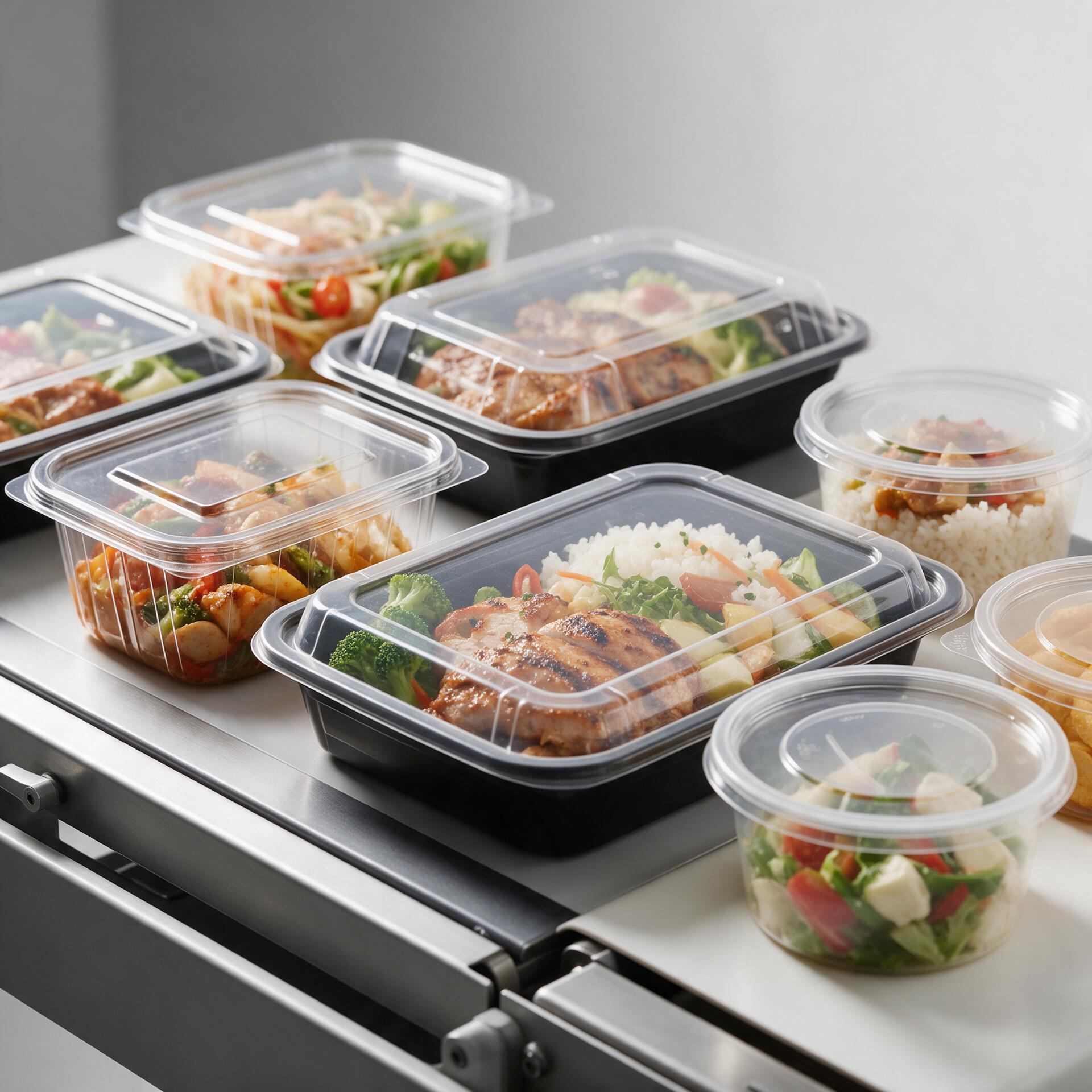
| Soups, curries, gravies, dressed bowls | Leakage and lid displacement | Secure rim fit, compatible lid, upright carrying method |
| Fried food and crisp sides | Condensation and loss of texture | Controlled venting where suitable; avoid trapping excessive steam |
| Mixed meals with sauces and sides | Migration between components | Compartments or separate sauce containers |
| Cold desserts and chilled drinks | Temperature interaction and moisture | Separate from hot items; use a stable cup or dessert format |
| Large or stacked orders | Crushing and order confusion | Rigid structure, stack test, clear outer-bag organisation |
Industry guidance on delivery safety consistently identifies leakage, contamination, temperature loss, and tampering as transport risks to manage. That does not make one material or format universally right; it means each restaurant should validate its container with the meal, courier, route, and handoff routine it actually uses.
Use compartmented formats when separation protects the meal
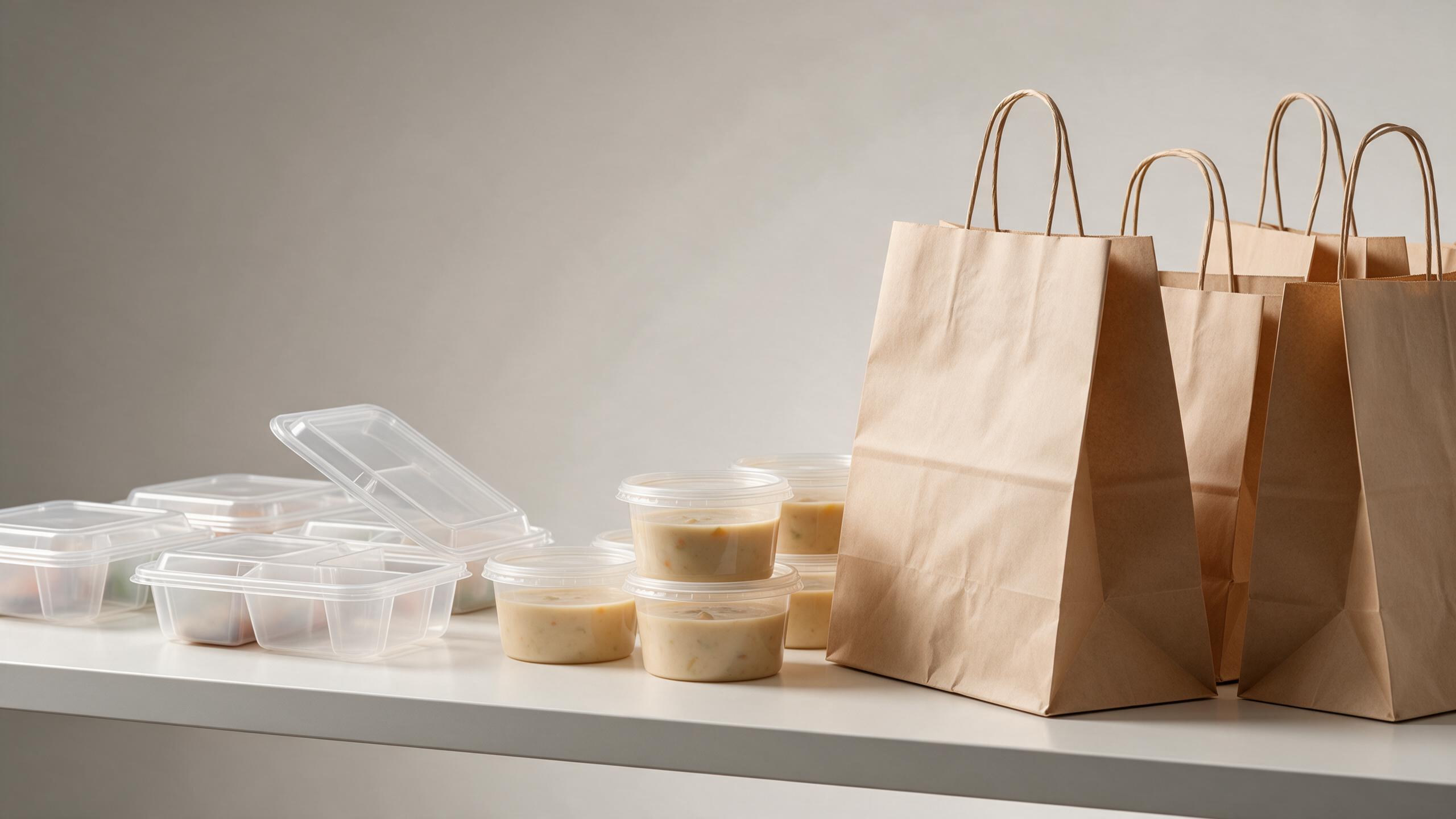
Compartments are useful when they solve a specific service problem: keeping rice separate from a sauced main, maintaining a side dish’s presentation, or making it easier for staff to verify a composed meal. They are not automatically necessary for every dish. A compartment layout that is too shallow, too large, or poorly matched to portion size can create as many problems as it solves.
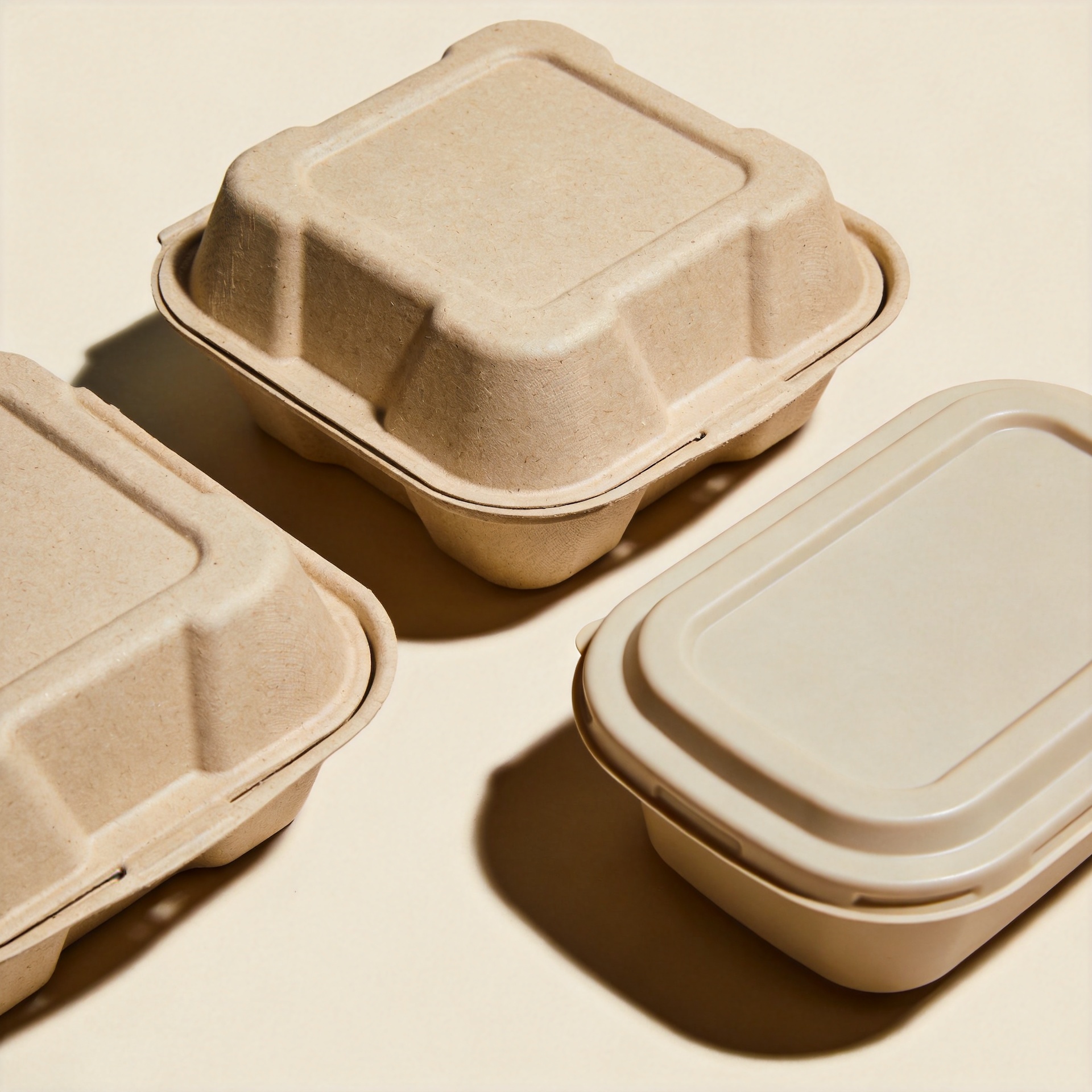
For restaurants that need separated meal components, a product page such as Sugarcane Compartment Meal Boxes can be a useful starting point for a supplier conversation. Confirm the exact dimensions, compartment layout, lid configuration, food type, delivery duration, and target market before treating any format as suitable for a live menu.
Test packaging Deliveroo choices with a filled order, rather than judging an empty sample on its own. Include the sauce cup, cutlery, napkin, label, and outer bag in the test because each component affects how the order stacks and travels.
Build a handoff system around sealing, labelling, and stacking
Packaging is part of the fulfilment process, not just a purchasing SKU. Once the restaurant has selected a primary container, set an operating rule for how the order is sealed and checked. Where local requirements or platform policies call for tamper-evident handling, confirm the appropriate method for that market and service model.
- Pack hot and cold items separately when temperature interaction would affect quality.
- Place liquid-heavy containers upright and avoid loading heavy items on their lids.
- Apply the order label where staff and customers can identify it without opening the container.
- Use the outer bag to stabilise the order, rather than asking a thin food container to carry the whole load.
- Run a practical shake, stack, and timed-hold test before changing a busy delivery menu.
A common information gap is that purchasing, kitchen staff, and suppliers may each hold only part of the specification. Make the delivery duration, portion weight, sauce volume, desired compartment count, and bag orientation visible in one brief. That gives the supplier a usable basis for recommending samples or confirming available formats.
Compare options through total operational fit
During a packaging Deliveroo review, compare options across the same conditions instead of relying on a broad “eco” or “premium” label. Material, coating, lid design, printing, and disposal conditions can all change the practical result. If sustainability claims are part of the brief, distinguish the packaging’s confirmed material information from claims that still need market-specific verification.
Restaurants serving more than one country or region should keep general packaging principles separate from local disposal, labelling, or food-contact requirements. The same format may be workable in several settings, but it should not be presented as having the same downstream outcome everywhere without checking the relevant local conditions.
Use a Packaging Deliveroo decision card for every menu item
A Packaging Deliveroo decision card gives the kitchen and buyer one shared record for a dish. The Packaging Deliveroo card should name the menu item, portion weight, sauce level, holding time, and planned bag orientation. With a Packaging Deliveroo card, staff can compare samples under the same conditions rather than relying on appearance.
For a bowl, the Packaging Deliveroo card should record whether the lid remains secure after a timed hold. For fried food, the Packaging Deliveroo card should note where steam can escape without exposing the meal. For a composed meal, the Packaging Deliveroo card should state which foods must remain separated.
At purchasing stage, a Packaging Deliveroo card should capture dimensions, lid type, material construction, order quantity, and artwork need. During trials, the Packaging Deliveroo card should record leaks, condensation, stacking result, and customer-facing presentation. This turns a Packaging Deliveroo discussion into a repeatable operating check.
Restaurants can keep one Packaging Deliveroo card per menu family: liquid-heavy meals, crisp foods, compartment meals, desserts, and large group orders. The Packaging Deliveroo card is also useful when a platform changes its delivery area or when the restaurant adds a new dispatch method. A completed Packaging Deliveroo card helps the buyer explain the requirement clearly to a supplier.
Before approving an order, review the Packaging Deliveroo card with both kitchen and front-of-house teams. The Packaging Deliveroo card should distinguish confirmed container facts from items still needing a sample or local verification. Used consistently, a Packaging Deliveroo card supports clearer comparison without assuming that one packaging option suits every route.
What to confirm before requesting a quotation
Use this checklist to make a delivery-packaging enquiry more efficient:
- Menu items, portions, and whether foods are hot, cold, dry, or sauce-heavy
- Expected delivery time and whether orders may be stacked or carried by bicycle, scooter, or car
- Required compartment count, lid type, and outer-bag arrangement
- Target market and any packaging information that must be verified locally
- Sample quantity, test method, and acceptance criteria for leaks, steam, stacking, and presentation
- Artwork, labelling, and replenishment needs for the restaurant’s ordering cycle
The practical takeaway is simple: do not select packaging by platform alone. Choose the format that fits the dish and the journey, then verify it with a real delivery simulation. That approach gives restaurants a clearer basis for comparing containers, training staff, and making packaging Deliveroo orders that support a more consistent handoff.