 EN
How Machine Stretch Film Improves Automated Pallet Wrapping
On a busy shipping line, a wrapping machine pallet is more than a finished unit waiting for dispatch. It is the point where carton pattern, pallet condition, film performance, and wrapper settings must work together. When those variables are aligned, machine stretch film can help an automated line apply a repeatable load-containment pattern with less manual intervention.
From a packaging procurement perspective, the useful question is not limited to roll price. A more useful question is: what does this wrapping machine pallet need to remain stable through handling, storage, and transport? The answer changes with load shape, product weight, stacking quality, conveyor flow, and the capability of the stretch wrapper.
Why film matters in an automated wrapping process
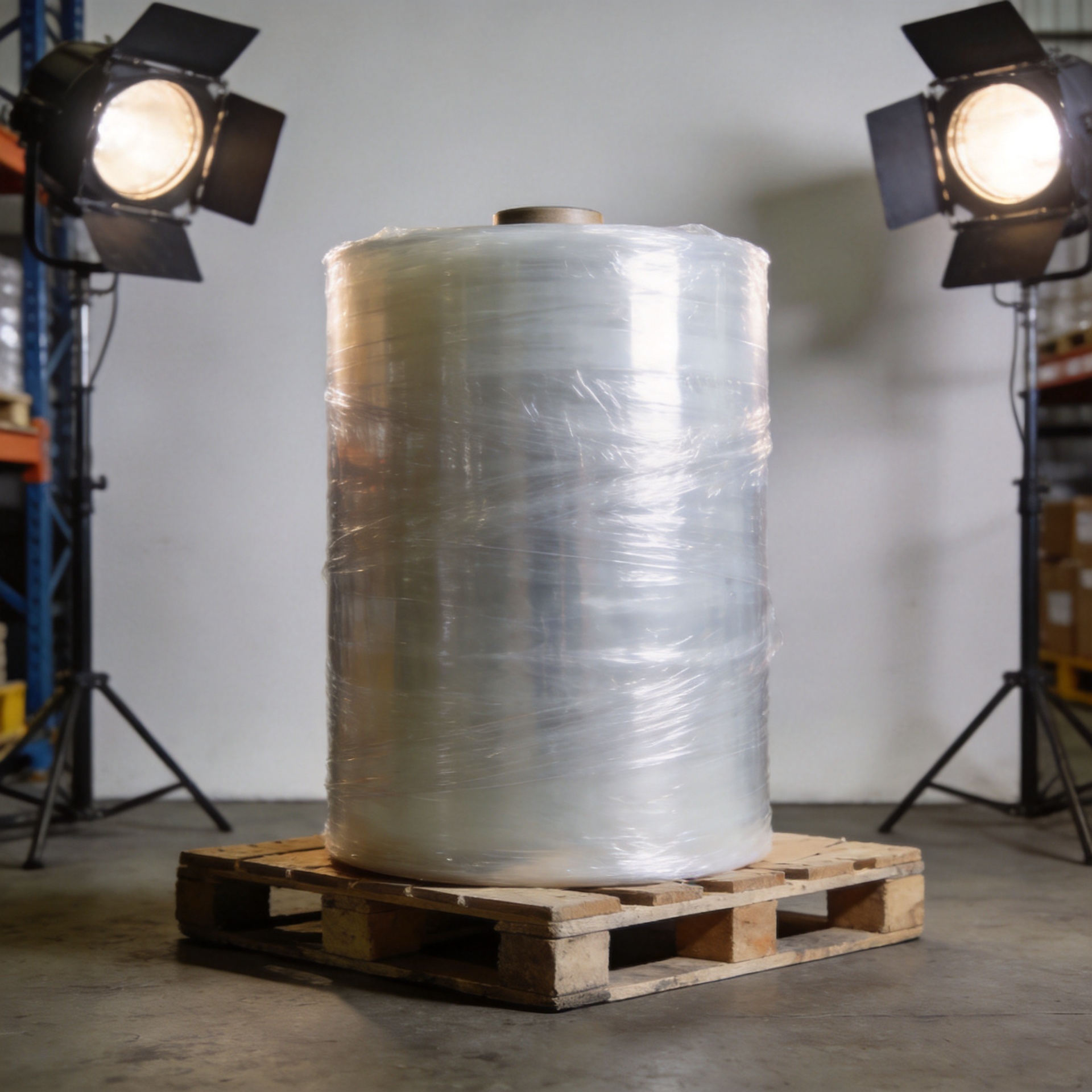
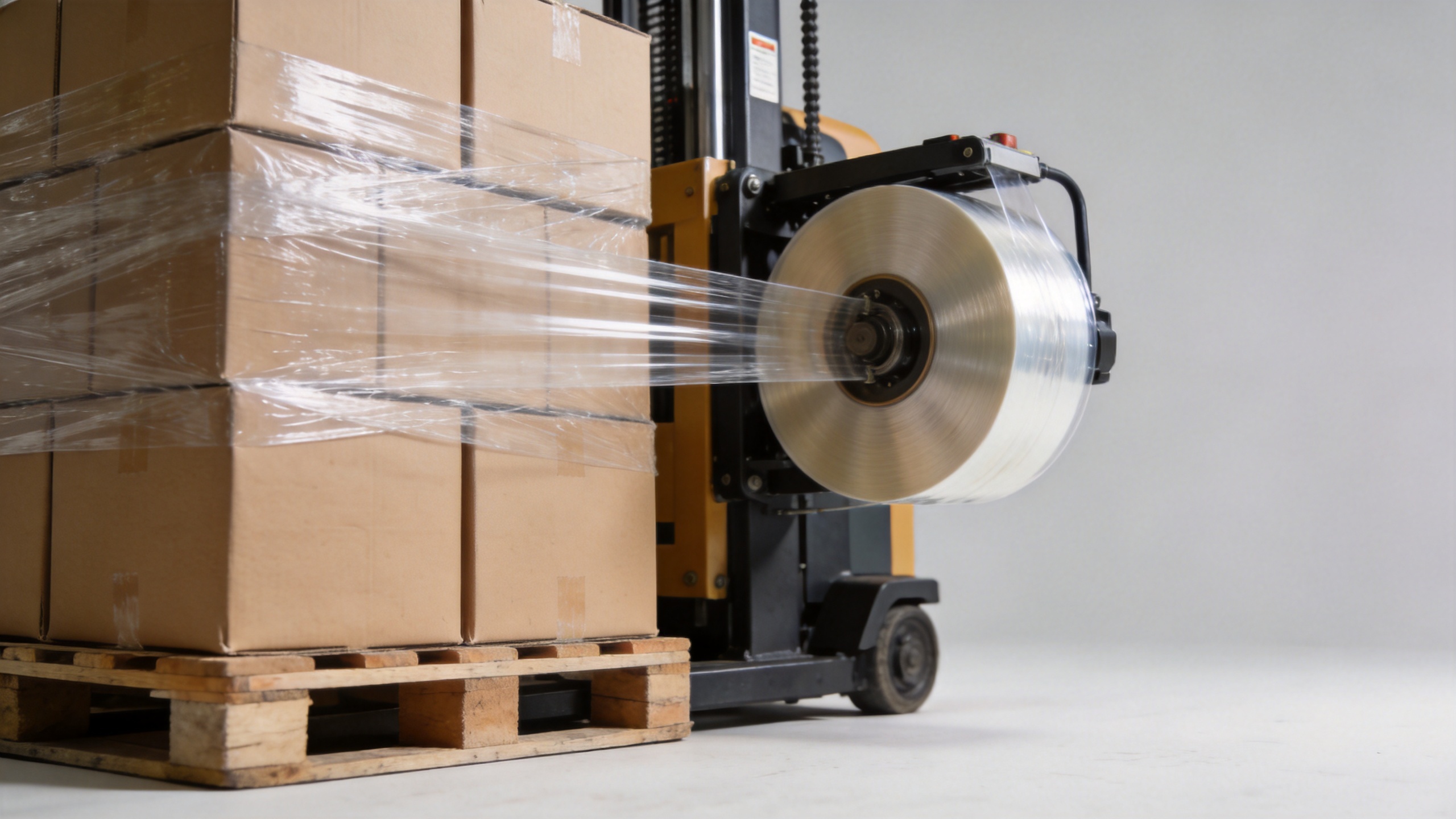
Automation makes the wrapping cycle consistent only when the film behaves consistently at the machine. Machine stretch film, such as the formats described on the Machine Stretch Film page, is designed to run through powered pre-stretch systems and be applied around the load at controlled tension. In practice, that means a wrapping machine pallet can receive a more repeatable number of wraps, overlap pattern, and top-and-bottom reinforcement than a manually wrapped load.
Pre-stretch is especially important because it draws usable performance from the film before the film reaches the load. This can reduce unnecessary film application while supporting containment, but it is not a universal material-saving guarantee. The suitable pre-stretch level depends on the film specification, the wrapper’s carriage, and the actual wrapping machine pallet profile. If the film is stretched beyond what the application can tolerate, breaks or weak containment may offset the expected benefit.
That distinction is easy to miss: film cost per roll is only one number. Film used per load, cycle interruptions, rewraps, and damage risk also influence the total operating picture.
Start with the load before choosing the film
A stable wrapping machine pallet begins before the wrapper starts. Check whether cases are aligned, whether the pallet deck is sound, whether the stack has overhang, and whether different products create weak layers. Film cannot reliably correct a fundamentally unstable stack. It can support a sound load pattern by holding layers together and anchoring the load to the pallet where the wrapping program calls for it.
For a uniform, rigid stack, a wrapping machine pallet may run successfully with a straightforward program. Light, tall, mixed, or irregular loads often need more evaluation. They may require different tension by height, more overlap at vulnerable zones, a top press, or a revised stacking pattern. In other words, the film should be selected as part of the load-containment process, not as an isolated consumable.
- Record the typical pallet height, gross weight, and carton footprint.
- Separate stable loads from irregular or easily compressed loads.
- Identify where a wrapping machine pallet needs reinforcement: the base, corners, top layers, or all three.
- Run trials with the intended wrapper program rather than evaluating a film by hand.
How the right setup improves throughput
In an automated warehouse, every film break stops more than one roll of material. It can interrupt the wrapper, leave an unfinished wrapping machine pallet for an operator, and create an exception in the outbound flow. A film-and-machine combination that runs steadily can therefore contribute to throughput by reducing avoidable interventions.
Consistency also helps the team inspect output. When the same load type uses a controlled wrap pattern, an operator can more readily spot a loose band, a failed bottom wrap, or a load that does not match the usual result. This is a practical benefit of automation: it creates a baseline against which the quality of each wrapping machine pallet can be assessed.
For buyers who are reviewing a machine stretch film program, it is useful to track film breaks per shift, wraps per load, roll changes, rework events, and transport damage observations. These operational measures are more informative than assuming that a thinner or thicker film will necessarily perform better.
Match the film to the wrapper and operating conditions
Before changing film gauge or pre-stretch settings, confirm the wrapper’s recommended operating range and the film supplier’s application guidance. A wrapping machine pallet may look secure at the turntable yet behave differently after a conveyor transfer, a truck journey, or time in storage. Trials should reflect those real conditions.
Pay attention to these checks:
- Film unwind and carriage settings: Verify that the film feeds smoothly and that the selected pre-stretch level is suitable for the film.
- Containment force: Use enough tension to hold the load without crushing cartons or distorting sensitive products.
- Wrap pattern: Set bottom wraps, upward and downward overlap, and top coverage for the actual wrapping machine pallet type.
- Environmental conditions: Review temperature, dust, sharp corners, and storage duration, since each can affect the outcome.
A pilot run should compare like-for-like loads. If a change lowers film use but increases breaks or rewraps, the apparent saving may not be meaningful. Likewise, using more film than needed can add cost without improving a wrapping machine pallet that is already appropriately contained.
Build a practical film trial plan
A short, structured trial is often the clearest way to improve automated wrapping. Choose one load family, document the current program, and test one variable at a time. Keep the pallet configuration constant while comparing film options or pre-stretch settings. Then inspect each wrapping machine pallet after wrapping and after representative handling.
| Trial item | What to record | Why it matters |
|---|---|---|
| Load profile | Height, weight, carton pattern, overhang | Defines the containment challenge for each wrapping machine pallet. |
| Machine program | Pre-stretch, tension, rotation speed, wrap count | Shows whether the result is repeatable. |
| Film outcome | Breaks, neck-down, loose areas, roll consumption | Connects film behavior with line efficiency. |
| Post-wrap result | Conveyor transfer, storage, delivery observations | Tests whether the wrapping machine pallet stays secure beyond the wrapper. |
Where to start with machine stretch film
If your operation is evaluating a machine stretch film program, begin with the loads that create the most manual intervention or rework. Document the current performance first, then test adjustments in a controlled sequence. A wrapping machine pallet is a system outcome, so the most useful improvement may be a better film match, a revised wrap pattern, or a stronger palletizing method.
For product information, review Machine Stretch Film alongside your own load profile and wrapper settings. Clear specifications and realistic trials help packaging teams make a more informed choice without treating a single film feature as a shortcut to better performance.
Ultimately, automated wrapping is more dependable when the team treats every wrapping machine pallet as a repeatable process: build a stable load, select compatible film, validate the wrapper program, and measure the result after handling. That approach can support steadier line flow, more consistent containment, and better material decisions over time.