 EN
Poly Mailers vs Bubble Mailers: How to Protect E-Commerce Orders
For an e-commerce team, the right mailer is not simply the least expensive bag that fits the order. It is the format that matches the product’s vulnerability, the expected handling route, and the customer’s unboxing expectations. Poly bubble mailers add a cushioning layer without automatically turning every shipment into a box-and-fill project. The key is knowing when that extra layer prevents damage and when a flexible mailer is still the wrong format.
As a packaging buyer, start with the order rather than the mailer. Soft apparel, fabric accessories, and many non-breakable items can often travel well in a standard poly mailer. A small rigid item, a product with finished corners, or several pieces that can knock together may need the added protection of poly bubble mailers—or a corrugated box if compression is the main risk.
What changes when you choose poly bubble mailers?
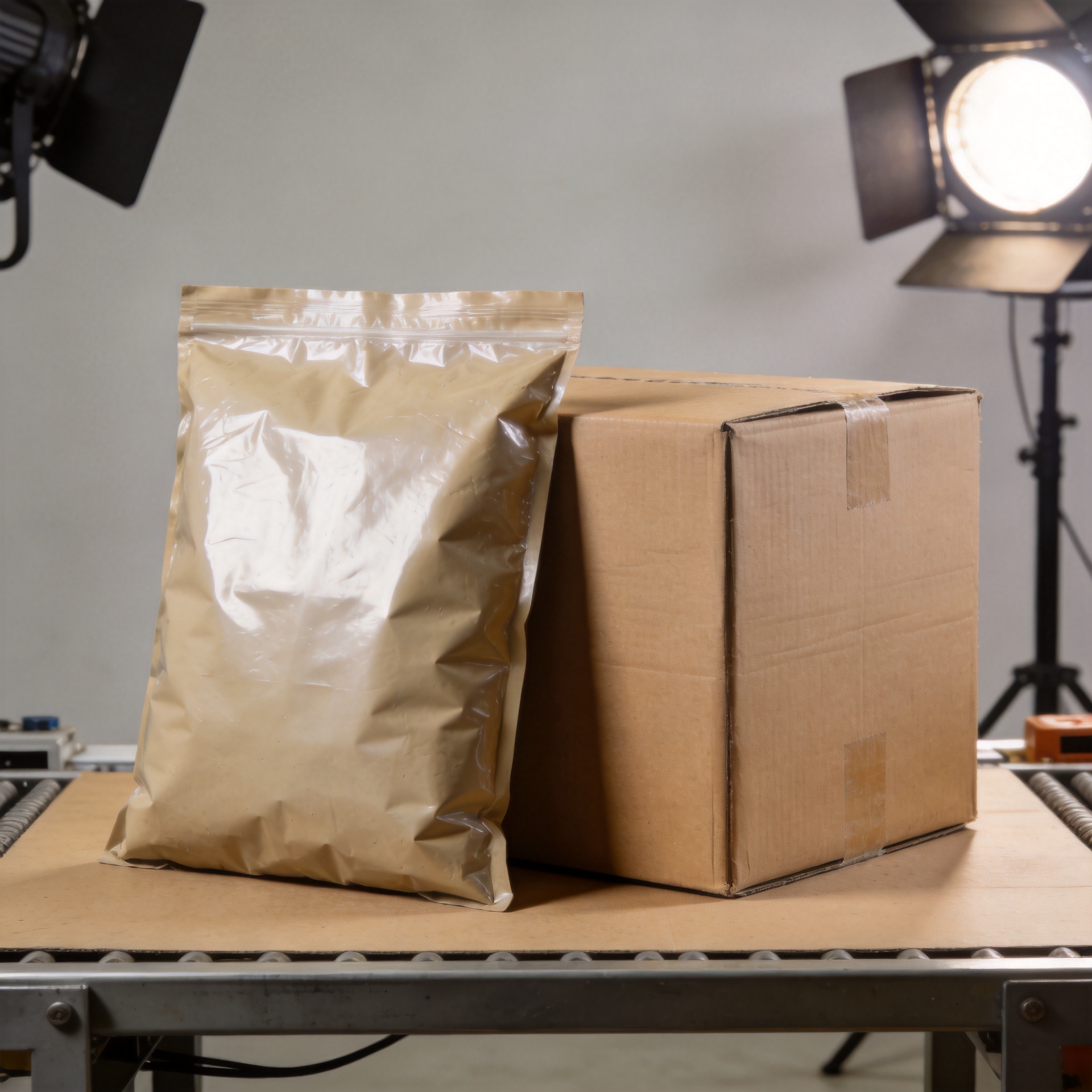
A conventional poly mailer is a lightweight, flexible plastic shipping bag. It can be an efficient choice for goods that do not need structural support. Poly bubble mailers pair a similar outer mailer format with an internal bubble layer. That layer can reduce minor scuffs and help cushion small impacts during sorting, loading, and last-mile delivery.
The distinction matters because cushioning and rigidity solve different problems. Poly bubble mailers can help protect a compact, moderately delicate item from routine knocks. They do not keep a heavy or crush-sensitive product from bending under stacked parcels. For that type of order, use an appropriately sized carton and internal void control instead of relying on a padded bag.
Match the mailer to the product’s risk profile
| Order profile | Often suitable packaging | Why |
|---|---|---|
| Soft apparel, textiles, or pliable accessories | Standard poly mailer | The item is flexible and generally does not need cushioning. |
| Small accessories with finished surfaces | Poly bubble mailers | Internal bubbles can reduce rubbing and light-impact risk. |
| Multiple small hard items | Poly bubble mailers with separation | Use sleeves or wraps so pieces do not collide inside the mailer. |
| Heavy, sharp-edged, fragile, or crush-sensitive goods | Corrugated box with protective fill | A mailer alone does not provide reliable structural protection. |
Use that table as a starting point, not a universal rule. A lightweight product can still be fragile, while a heavier textile order may remain perfectly suitable for a flexible mailer. The product’s material, edges, retail packaging, and likely handling route should drive the final decision.
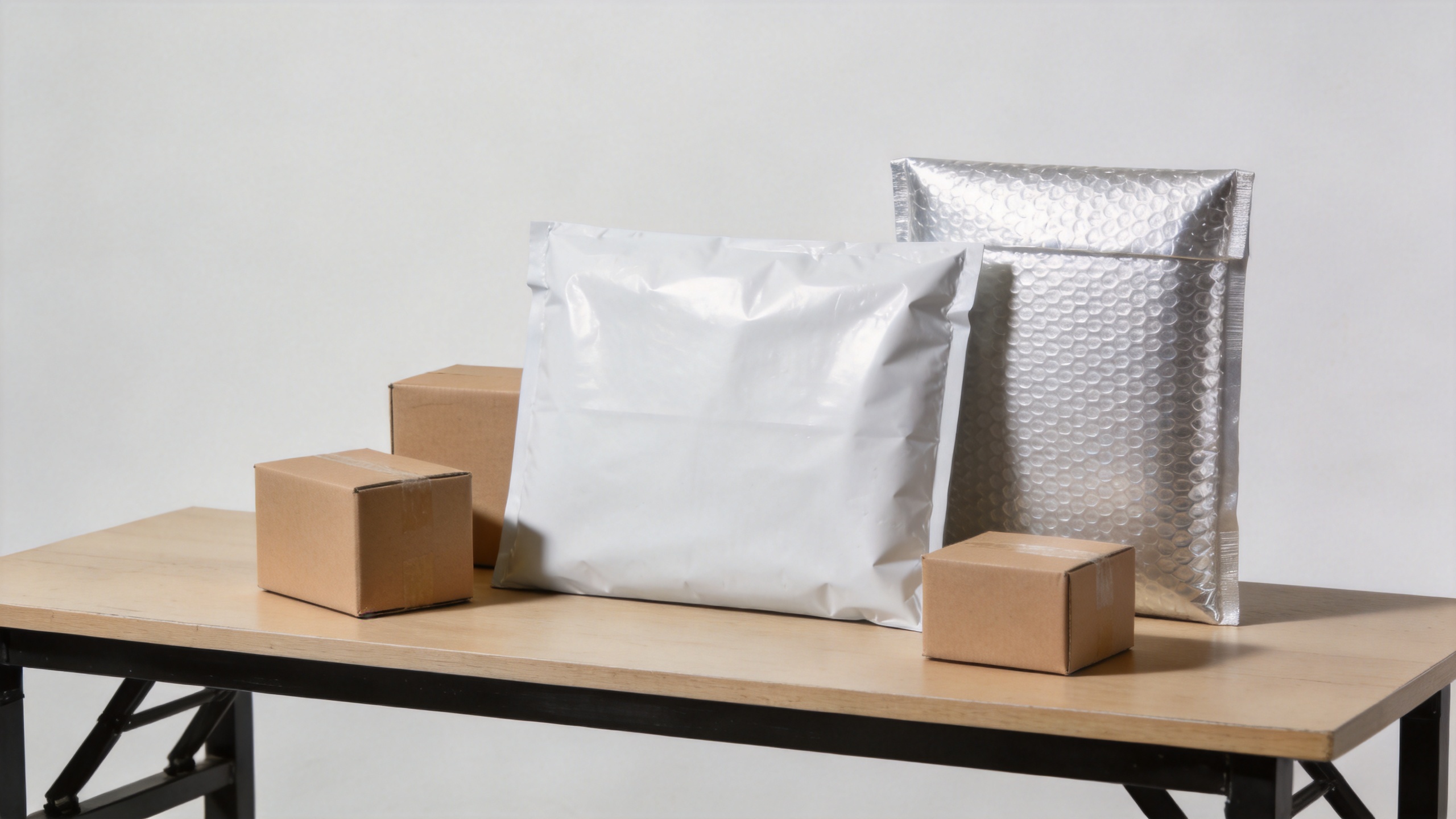
How to decide between a poly mailer and a bubble mailer
Ask four practical questions before choosing poly bubble mailers for a SKU:
- Can the product bend safely? If it can flex without damage, a standard mailer may be enough. If bending could crack, crease, or deform it, choose a box.
- Does the surface need protection? Glossy finishes, coated cards, jewelry components, and small accessories may benefit from the internal buffer in poly bubble mailers.
- Will items move inside? Empty space lets parts collide. Select a mailer with sensible internal dimensions and add a simple separator or wrap when needed.
- How long and complex is the route? Cross-border shipping, multi-carrier handoffs, or return loops can mean more handling. For those orders, test poly bubble mailers with the actual product rather than choosing by cost alone.
Size should be checked from the inside, not only from the outside. For example, a USPS small bubble mailer is listed with outer dimensions of about 12 by 8.5 inches but an internal usable area of about 10.5 by 8.25 inches. Your own mailer construction will differ, but the principle is useful: measure the usable internal space after seams, flap, and bubble thickness are considered.
Build a simple protection system around poly bubble mailers
The most reliable e-commerce process is repeatable. Rather than making a new judgment at the packing bench, assign every SKU to a packaging tier. A basic system can include: flexible goods in standard poly mailers; small finished goods in poly bubble mailers; and fragile or compression-sensitive products in cartons.
For items that belong in poly bubble mailers, standardize the packing sequence. First inspect the product and any retail packaging. Next, protect sensitive surfaces with a sleeve, tissue, or separator if two parts could rub. Place the item so it does not sit directly against a vulnerable edge. Then seal the mailer fully and confirm that its contents are not overstuffed. A tight, distorted mailer can reduce the benefit of the bubble layer and may place stress on the seal.
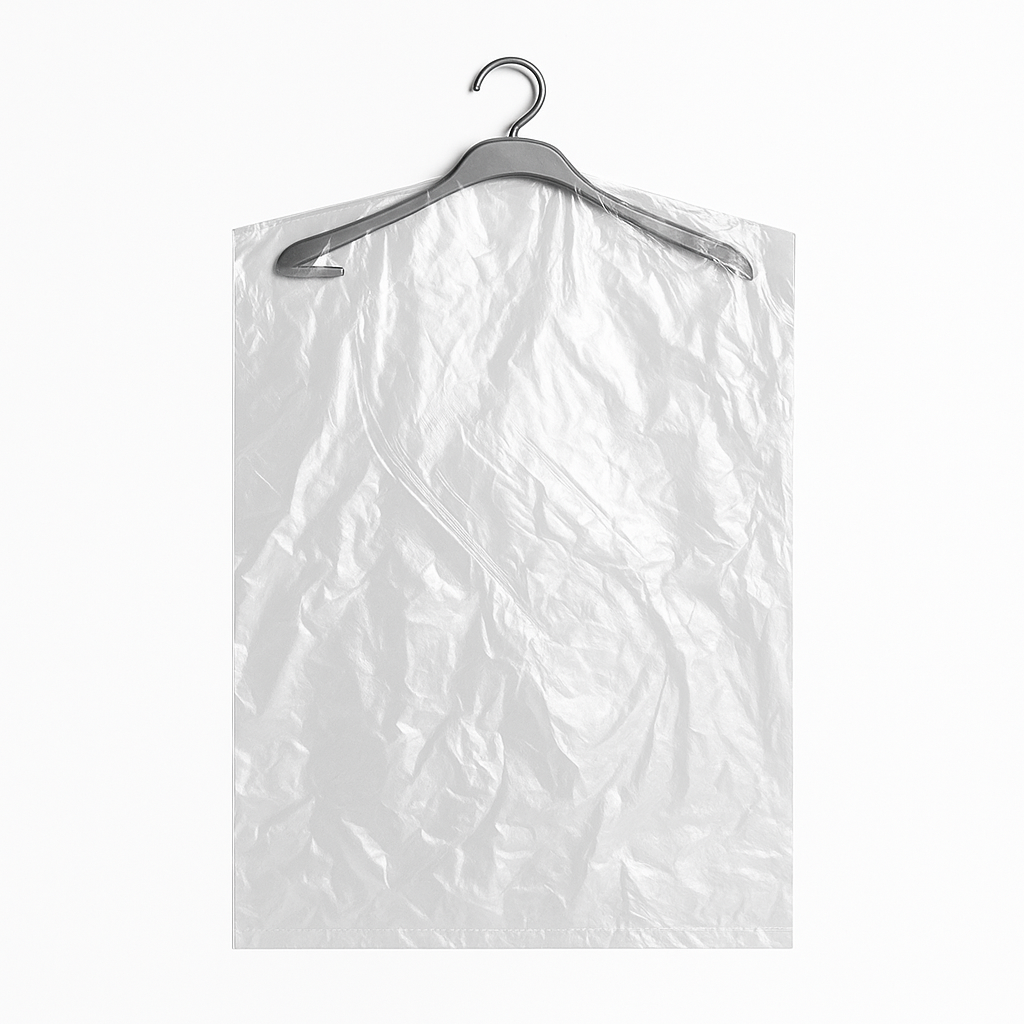
If your business ships flexible products at volume, review a Recycled Poly Mailer as an option for shipments that do not require padded protection. The format decision should still be based on the SKU’s actual risk, not on a product name alone.
Cost, presentation, and shipping efficiency
It is tempting to use poly bubble mailers for every small order because they look more protective. However, extra material and thickness can be unnecessary for resilient goods. Over-packaging can increase material use, storage requirements, and packing time without improving the delivery outcome.
At the same time, under-protection has its own cost: returns, replacement shipments, customer-service time, and damaged brand perception. The right comparison is not bag price versus bag price. Compare the total cost of each protection tier against the damage risk for that order type. Testing a small sample of real shipments is more useful than assuming that all poly bubble mailers deliver the same outcome.
A packing checklist before dispatch
- Confirm the item is appropriate for a flexible mailer rather than a box.
- Choose standard mailers for durable, soft, non-fragile goods.
- Choose poly bubble mailers when light cushioning can address surface or minor-impact risk.
- Use separation material when multiple components could rub or collide.
- Check usable internal dimensions, not only the printed outer size.
- Do not overfill the mailer or strain the closure.
- Run shipping tests for new, fragile, high-value, or long-route SKUs.
Choose protection based on the order, not habit
Poly bubble mailers are a practical middle ground for many compact e-commerce orders: more cushioning than a plain poly mailer, but lighter and simpler than a full box. They work well when the product needs a modest buffer rather than rigid crush protection. By grouping SKUs by risk, measuring the usable space, and validating the pack-out through real shipments, you can protect orders more consistently without adding unnecessary packaging.