 EN
Recycled Poly Mailers for Sustainable E-Commerce Shipping
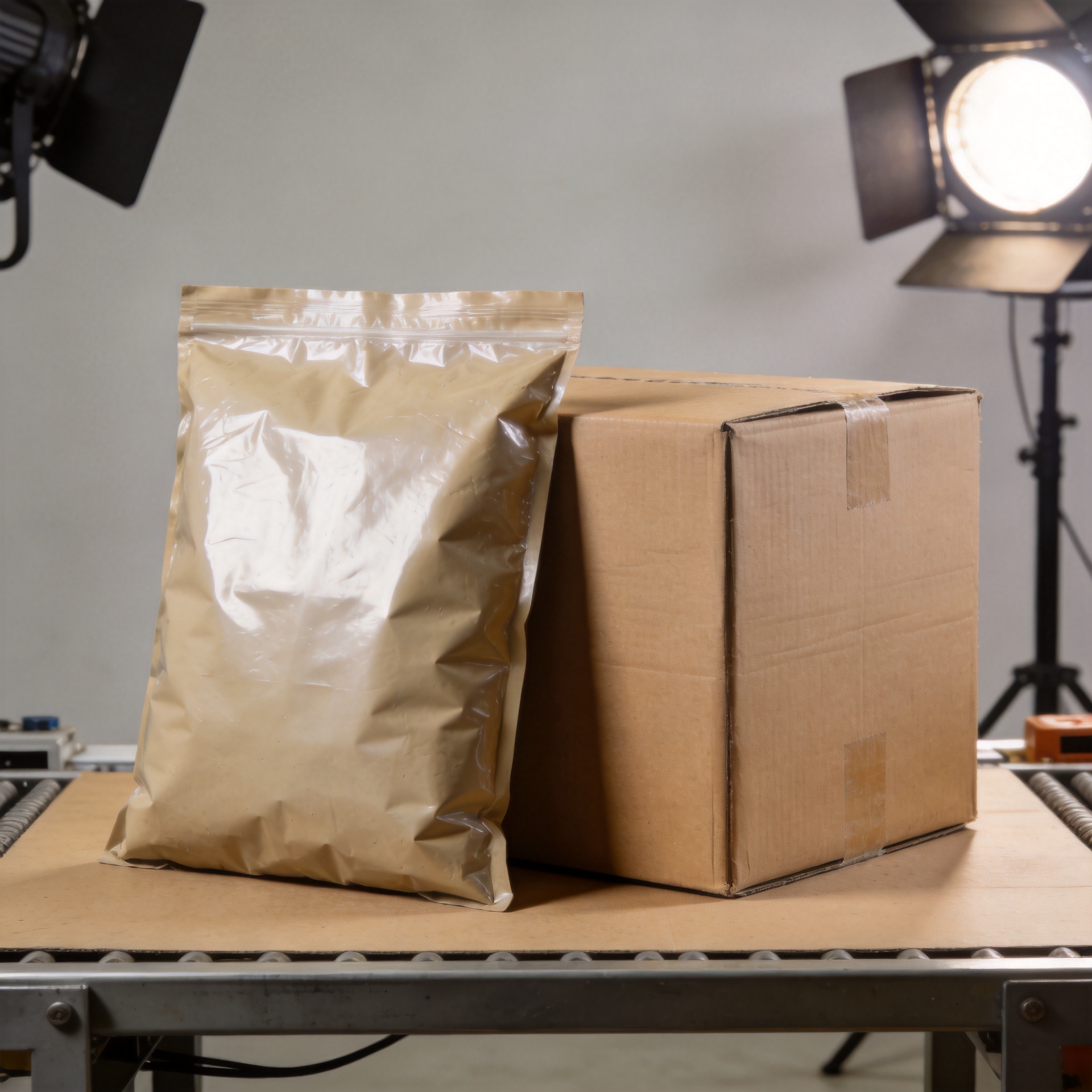
For many online sellers, the shipping package is where a product experience becomes a real-world delivery. Polymailers can be a practical option for apparel, textiles, documents, and other non-fragile goods because they keep parcels compact while helping protect them from routine moisture and handling. When recycled material is part of the specification, buyers can also use the package to support a more considered packaging program—provided the claim, the use case, and the local recovery reality are all evaluated together.
This is not a case for treating every mailer as “green.” It is a guide to choosing recycled polymailers carefully: matching the bag to the shipment, asking the right supplier questions, and communicating environmental attributes in a way that remains specific and credible.
Why recycled polymailers matter in sustainable e-commerce packaging
E-commerce packaging has to balance competing needs. A parcel should be light enough to avoid unnecessary material and freight burden, yet strong enough to arrive with the order clean, closed, and intact. For soft, flexible, or low-breakage products, shipping bags can reduce unused space compared with a rigid carton. That can simplify packing ecommerce operations, especially where teams prepare many similarly sized orders.
Recycled polymailers add another selection point: the film may incorporate material recovered from a waste stream. That is different from claiming that the finished mailer will be recycled everywhere after use. The U.S. Federal Trade Commission’s Green Guides distinguish recycled-content claims from recyclability claims and advise marketers to qualify partial recycled-content claims clearly. In practical terms, buyers should request the actual recycled-content specification and avoid printing a percentage that has not been confirmed for the selected construction.
That leads to a more useful conversation: rather than asking whether a mailer is universally sustainable, ask whether its material, size, protection level, and end-of-use message fit the particular product and market.
When shipping bags are a sensible choice
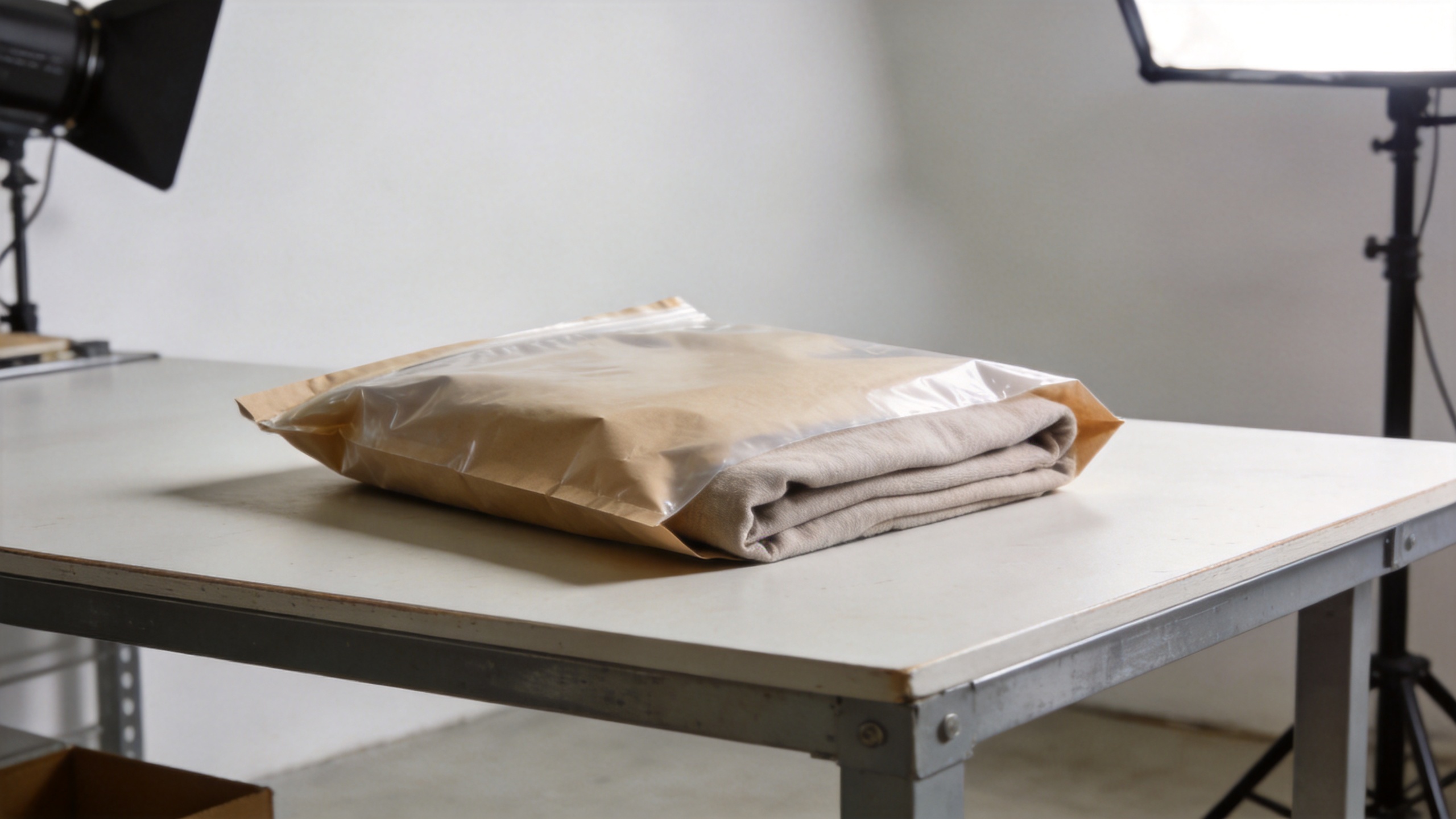
Polymailers can be a sensible option when the product can tolerate flexing and does not need crush protection. Common candidates include folded clothing, soft accessories, bedding, fabric samples, and printed materials. A mailer can also serve as an outer layer around an item that already has suitable inner protection.
- Good fit: lightweight, non-fragile goods that can be folded or compressed without damage.
- Use added protection: products with sharp corners, delicate surfaces, or modest crush sensitivity may need an insert, wrap, or a different mailer format.
- Choose a box instead: glass, ceramics, precision components, and items that must hold a rigid presentation should be assessed for corrugated protection first.
This distinction matters because an underspecified bag can create avoidable returns, while an oversized package uses more material than the order requires. Packing ecommerce teams can start by measuring the packed item—not just the item on its own—and leaving enough room for a reliable seal without excess empty volume.
What to evaluate before choosing recycled polymailers
1. Film construction and recycled-content documentation
Ask what the recycled-content claim refers to: the whole mailer, a film layer, or a defined percentage by weight. If the supplier distinguishes post-consumer and pre-consumer sources, retain that wording in purchasing records and on artwork approvals. A precise, supportable statement is more valuable than a broad environmental slogan.
2. Size, seal, and tear resistance
A useful mailer should fit the packed order closely, seal consistently, and resist ordinary handling. Request samples for representative products, including the heaviest and most awkward package in the intended range. Test the adhesive strip after realistic packing steps; a seal that is clean on a flat sample may behave differently around a thick textile bundle.
3. Moisture exposure and transit conditions
One reason shipping bags remain common is their ability to help shield appropriate goods from splashes and routine moisture during transit. This should not be interpreted as a promise of protection from every transport condition. If the route, product, or presentation standard is demanding, validate the full pack-out with the actual inner packaging.
4. End-of-use communication
Collection access for plastic film varies by region and program. The FTC’s Green Guides note that unqualified recyclable claims can be misleading when suitable collection is not available to a substantial majority of relevant communities. For that reason, a market-specific instruction such as “check local film-plastic collection options” can be more responsible than a universal recycling promise.
A practical evaluation workflow for e-commerce teams
- Group orders by protection need. Separate soft, durable goods from crush-sensitive or fragile goods before selecting a mailer.
- Set the size range. Test the smallest bag that closes without stressing the seal or distorting the item.
- Confirm the material statement. Obtain written recycled-content information for the specific SKU, thickness, and print configuration.
- Run a packing trial. Check sealing, barcode placement, handling, and appearance after a normal fulfillment shift.
- Review destination-market messaging. Align disposal language with the recovery options where customers receive the parcel.
The workflow gives teams a shared basis for comparing polymailers. It also helps purchasing, marketing, and fulfillment avoid making separate assumptions about the same shipping bag.
Quick questions to ask about polymailers
Before approving polymailers, fulfillment teams can use a short set of repeatable questions. Which orders can use polymailers without added crush protection? Which shipping bags close cleanly around the largest expected order? Which polymailers have a documented recycled-content statement for the exact SKU?
These questions make packing ecommerce decisions easier to repeat as order volumes change. They also prevent teams from using the same shipping bags for products with very different protection needs. In a simple pack test, compare two sizes of polymailers, apply the normal label, and inspect the parcel after handling. A suitable polymailer is not necessarily the thickest; it is one that fits the order and the distribution conditions.
| Decision point | What to check |
|---|---|
| Order fit | Can the polymailers close without stressing the seal? |
| Protection | Are the shipping bags appropriate for a soft, non-fragile item? |
| Fulfillment | Does packing ecommerce remain efficient at the intended packing speed? |
| Claim wording | Do the polymailers have documentation that supports the recycled-content statement? |
For brands that ship internationally, review whether shipping bags and disposal instructions will be understood in each target market. This review can be kept alongside the pack test so that the team has a practical record for future polymailers purchases. When new items are introduced, repeat the check rather than assuming that one mailer suits every order.
Where a recycled poly mailer can fit
For businesses assessing a product-specific option, the Recycled Poly Mailer can be reviewed against the same checklist: intended product type, packed dimensions, sealing needs, and the recycled-content wording supported for the selected configuration. It is sensible to treat a product page as a starting point for a specification discussion rather than as a substitute for sample testing or claim verification.
For retail, wholesale, and online sellers serving multiple markets, that discipline can make sustainable ecommerce packaging easier to manage. The package does not need to make every claim; it needs to perform its shipping function well and communicate only what the documentation supports.
Final take: choose polymailers for the job, then qualify the sustainability message
Recycled polymailers can be a useful part of an e-commerce packaging mix for suitable non-fragile products. Their value comes from a combination of compact shipping, everyday moisture resistance, and a recycled-content option that can be documented responsibly. The strongest approach is practical: test the shipping bag with the actual order, confirm the construction and claim language, and tailor end-of-use guidance to the destination market. That is how a mailer becomes a more credible part of sustainable e-commerce shipping.