 EN
What Does Pallet Shrink Wrap Do in Freight Protection?
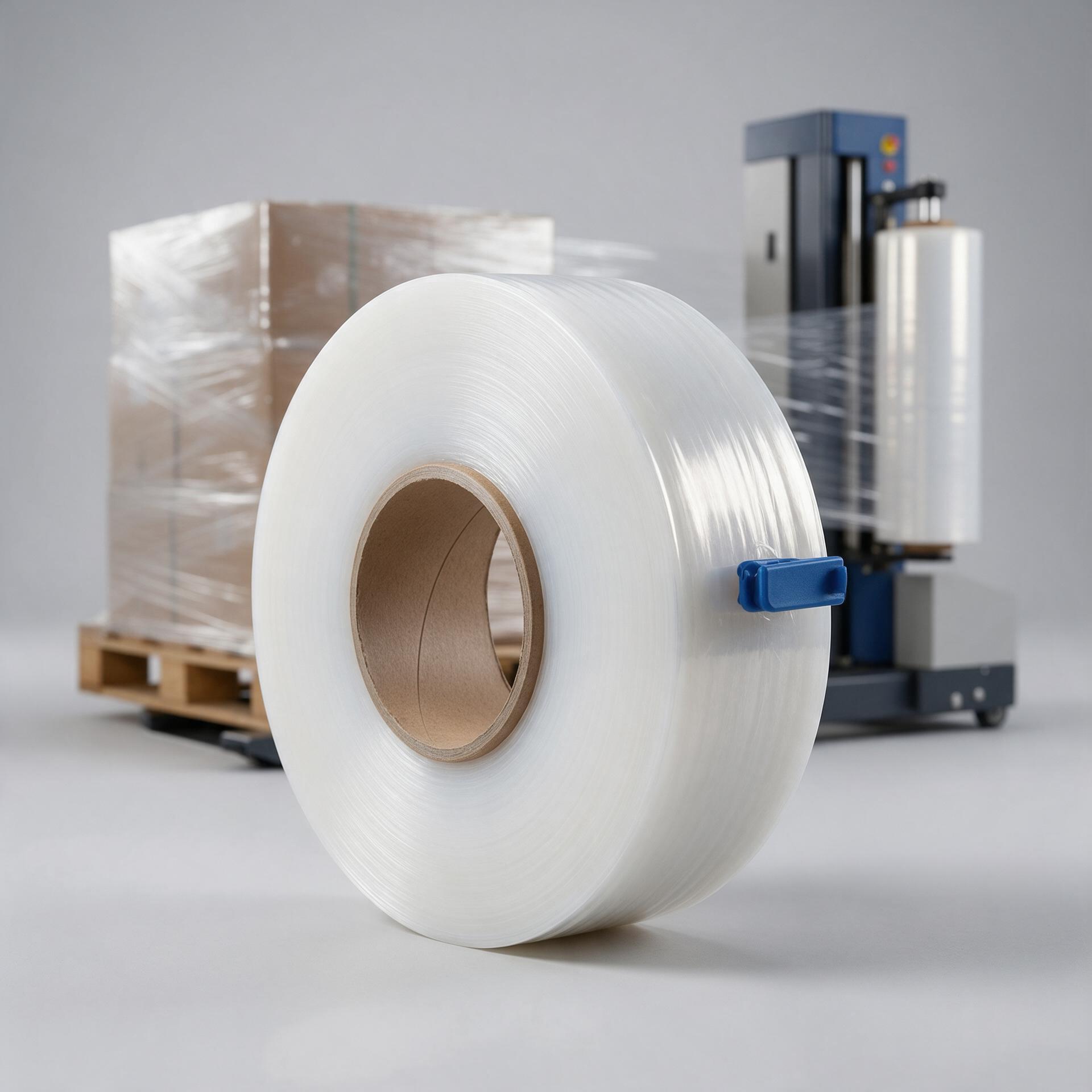
In warehouse shipping, a pallet is only as stable as the unit load built on it. Cartons, bags, or irregular packs may be strong on their own but can still slide, lean, or rub together after they are stacked. Pallet shrink wrap is the term many buyers use for the stretch film applied around a pallet to hold those packs together. In most freight applications, the film stretches and clings to itself; it is not a heat-shrink process.
For a purchasing team, the useful question is not simply whether to add film. It is whether the film, wrapping pattern, pallet, and product stack create enough containment for the shipment’s handling conditions. The answers depend on the load shape, weight distribution, travel distance, handling equipment, and exposure to dust or moisture.
Its First Job Is Load Containment
The central function of pallet shrink wrap is load containment. When applied with suitable tension, the film creates a holding force around the unit load. That force helps the cartons or other packs behave as one palletized shipment instead of as separate items that can shift when a forklift turns, a truck brakes, or a pallet is transferred.
Containment does not mean that film makes every load safe under every condition. A crushed carton, an overhanging layer, or a top-heavy stack can still create a weak pallet. The film works with sound load preparation: stable layers, aligned edges, appropriate pallet size, and a base that can support the weight. Industry guidance often discusses containment force when evaluating stretch film because a visible wrap pattern alone does not confirm that the load is adequately secured.
How Stretch Film Helps During Freight Handling
A well-applied pallet shrink wrap program can support several practical protection goals during normal distribution:
- Reducing load shift: film binds adjacent packs so they are less likely to migrate during handling and transit.
- Supporting stack stability: wrap can help keep the base, middle, and upper layers connected when the load is lifted or moved.
- Limiting surface scuffs and dust: the outer film layer provides a barrier against light abrasion, warehouse dust, and incidental contact.
- Providing short-term moisture shielding: film can reduce exposure to splash or damp warehouse conditions, but it is not a substitute for a defined weatherproofing system when goods face prolonged outdoor exposure.
- Keeping small items together: bundles, lightweight cartons, and mixed SKU layers are easier to manage when they are unitized before dispatch.
These benefits are conditional. Abrasive or pointed edges can puncture pallet shrink wrap, very smooth packs may need a different wrapping approach, and unstable products can require corner protection, anti-slip sheets, straps, or other load-securing methods in addition to film.
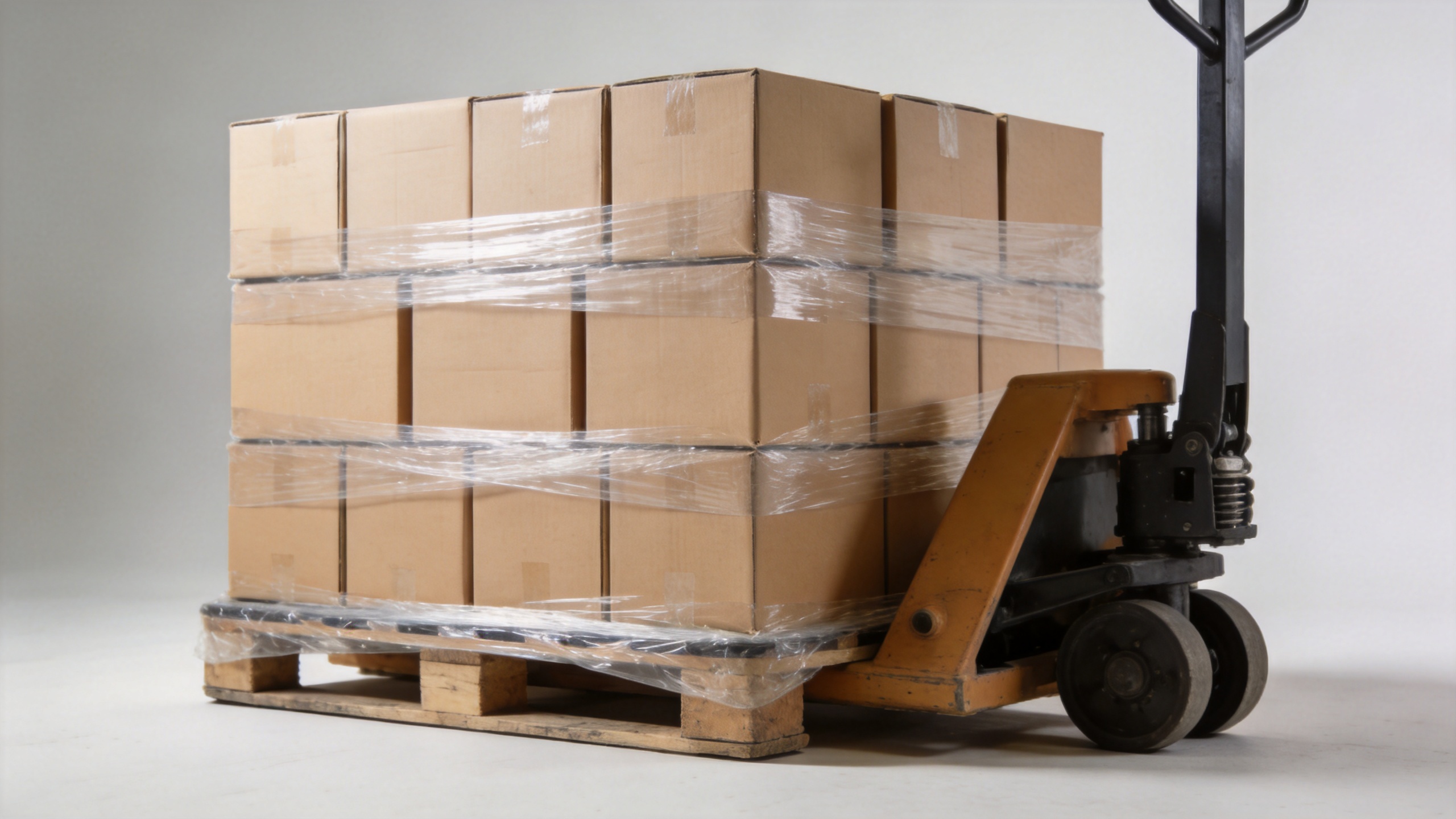
Why Pallet Shrink Wrap Is Applied From the Pallet Up
Wrapping technique matters as much as pallet shrink wrap selection. Operators typically anchor pallet shrink wrap at the pallet base, capture part of the pallet where appropriate, and then build overlapping passes upward through the load. This helps pallet shrink wrap transfer holding force across the stack rather than concentrating it at one height. Extra pallet shrink wrap reinforcement is often considered around the base, transitions between uneven layers, and the upper section of a tall load.
Buyers should distinguish pre-stretch from containment. Pre-stretch describes how much pallet shrink wrap is elongated before or during application; containment is the holding effect achieved on the wrapped pallet. Equipment settings, pallet shrink wrap type, load geometry, and operator practice can all change the final result. A trial with the actual shipment is more informative than choosing solely from a roll’s nominal thickness.
Where Pallet Shrink Wrap Has the Most Influence
Pallet shrink wrap has the most influence when it is matched to a sound load pattern. Pallet shrink wrap at the base connects lower packs to the pallet. Pallet shrink wrap through the middle helps resist lateral movement between layers. Pallet shrink wrap near the top can help keep upper packs aligned during routine handling.
Pallet shrink wrap should be assessed after the load is wrapped, not only while the roll is being applied. A warehouse team can look for pallet shrink wrap breaks, loose tails, gaps around irregular cartons, and areas where pallet shrink wrap has not made consistent contact. These observations help identify whether pallet shrink wrap settings or the pallet pattern need adjustment.
When Pallet Shrink Wrap Needs Extra Support
Pallet shrink wrap may need support from corner boards, top sheets, anti-slip layers, or strapping when a load has unusual geometry. Pallet shrink wrap alone is not intended to correct a damaged pallet or severely uneven stack. For long-distance routes, teams should test pallet shrink wrap with the actual cartons and the intended handling sequence.
When comparing quotations, ask how the proposed pallet shrink wrap is intended to be applied: by hand, semi-automatic equipment, or an automatic wrapper. The answer affects pallet shrink wrap tension, overlap, film yield, and the consistency that can be achieved across shipments. Documenting the successful pallet shrink wrap pattern gives operators a practical reference for repeat orders.
Pallet Shrink Wrap Versus Heat Shrink Packaging
The name can cause confusion. In freight conversations, pallet shrink wrap often refers to stretch film used for pallet wrapping. Stretch film clings through elastic recovery and layered application. Heat-shrink packaging, by contrast, is designed to contract when heat is applied and is used in different packaging setups. Before comparing quotations, ask the supplier which material and application method are being proposed.
That clarification affects equipment choices, labor planning, film yield, and the way the load should be tested. It also avoids purchasing a product that does not match the warehouse process.
What Buyers Should Check Before Selecting Film
Use the following questions to turn a general freight-protection need into a usable specification:
- What are the pallet dimensions, gross weight, and typical stack height?
- Are cartons uniform, irregular, slippery, pointed-edged, or prone to compression?
- Will the load be wrapped by hand or by a stretch-wrapper machine?
- Which handling events are expected: forklift movement, long-haul trucking, container loading, or temporary storage?
- Is dust, short-term moisture, UV exposure, or product visibility a relevant concern?
- What level of containment is required at the base, middle, and top after wrapping?
- Should the film work alongside corner boards, top sheets, anti-slip layers, or strapping?
ASTM D4649 is commonly used as a discussion reference for selecting and using stretch-wrap films. It is a guide, not a shortcut around testing. The right way to validate a specification is to wrap representative loads with the intended equipment, inspect the film for breaks or damage, and assess load stability through the handling conditions that matter to the shipment.
A Practical Starting Point for Warehouse Teams
Start by documenting a few representative pallet loads instead of treating every shipment as identical. Note the product type, stack pattern, pallet size, weight, travel route, and recurring damage points. Then test a defined wrapping pattern and check whether the load remains stable at the base, middle, and top. This creates a clearer basis for discussing film selection and operating settings with a packaging supplier.
For teams evaluating film options, Recycled Stretch Film is one site-listed product category to review alongside the actual load requirements. Confirm material details, suitability, and operating conditions with the supplier before specifying it for a shipment.
Key Takeaway
Pallet shrink wrap helps turn separate packs into a more manageable freight unit. Its value comes from load containment, improved stack stability, and an added outer layer against routine warehouse contact. It performs most effectively when the pallet is prepared properly and the film, equipment, and wrap pattern are matched to the real transport risk. A short, documented test with representative loads is a practical next step before setting a purchasing standard.