
 EN
EN
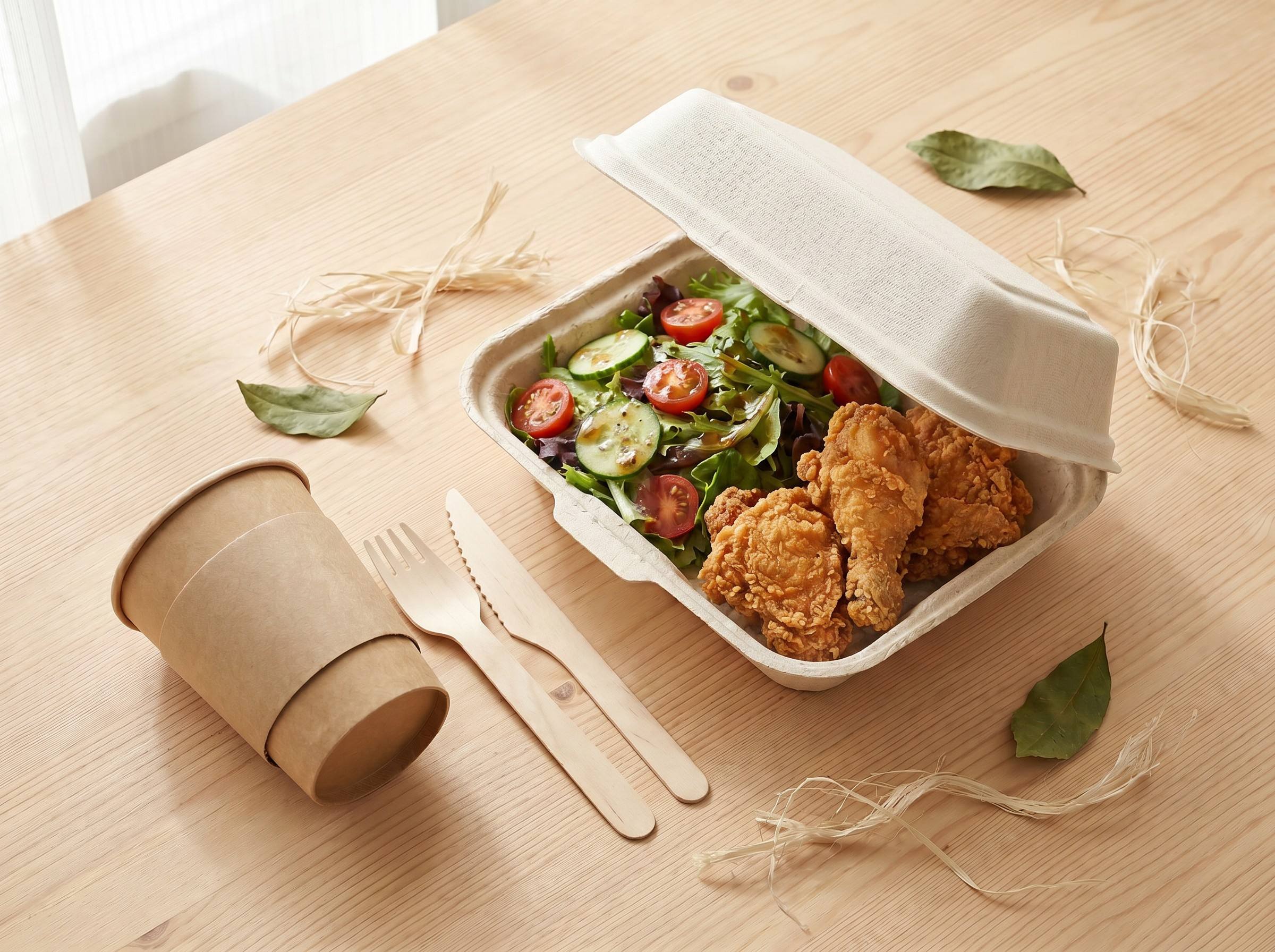
Switching to compostable food packaging is no longer optional for restaurants — plastic bans are expanding globally, and diners increasingly choose brands that align with their values. But sourcing the right compostable packaging means more than picking a "green" label. This guide covers what to look for, which certifications matter, and how to evaluate a supplier before placing a wholesale order.
Why Restaurants Are Switching to Compostable Packaging
Three forces are driving the shift:
- LegislationThe EU Single-Use Plastics Directive, UK plastic packaging tax, US state-level bans, and regulations across Southeast Asia are all tightening. Restaurants that haven't switched face supply disruptions and potential fines. Compostable materials future-proof your procurement.
- Consumer expectationsGen Z and Millennial diners actively notice packaging choices. A compostable container with a certification logo tells the story before a single word is spoken — and that story builds loyalty.
-
Brand differentiationIn a crowded delivery market, packaging is a silent brand touchpoint. "Packaged in certified compostable sugarcane containers" on your menu or bag is a genuine, verifiable claim — not greenwashing.
What Types of Compostable Food Packaging Do Restaurants Need?
A complete compostable packaging program covers several categories:
Sugarcane Bagasse ContainersMade from sugarcane fiber — the byproduct left after juice extraction. Naturally grease-resistant, microwave-safe up to ~200°C for 2–3 minutes, and biodegrades in approximately 90 days in industrial composting facilities. Not suitable for freezing — material softens below 0°C. Best for: hot entrees, burgers, rice bowls, salads.→View Sugarcane Bagasse Containers
Paper Food Containers & CupsLined with PLA (plant-based) instead of PE, making them fully compostable while remaining leak-proof. Best for: fried sides, soups, hot and cold beverages. →View Paper Food Containers|View Paper Cups
Compostable Cutlery & StrawsCPLA (Crystallized PLA) cutlery handles heat without bending. Paper straws hold up for standard drink service. Wooden cutlery offers a premium tactile feel. →View Compostable Cutlery
Compostable Takeout BagsPLA+PBAT blend bags strong enough for full meal orders, certified to break down alongside food waste.
Key Certifications to Look for When Sourcing
Not all "eco" packaging is compostable. Verify these certifications before ordering:
Always ask your supplier for certificate copies — a credible manufacturer will have documentation ready.
4 Questions to Ask a Compostable Packaging Supplier
1. What's your production capacity and lead time?
Restaurants have seasonal peaks. You need a supplier who can scale. Richer EcoPack operates a 13,000 m² factory — contact us for current capacity and lead time details.
2.Can you custom print my brand?
Branded packaging turns every delivery into a marketing moment. Confirm the supplier can print your logo and that they use food-safe, eco-compatible inks.
3. Are your containers oil and water resistant?
Compostable doesn't mean fragile. Test containers with your actual menu — hot, oily dishes reveal performance differences quickly.
4. Do you provide samples before bulk orders?
Never commit to a large order without a real-world test. A reliable supplier offers samples as standard practice.
Why Source from Richer EcoPack
- One-stop supplier — no juggling multiple vendors for different SKUs
- Factory-direct pricing — 13,000 m² facility, no middleman
- Custom branding — logo printing on containers, cups, and bags
- Quote within 24 hours — fast response for procurement timelines
FAQ
Q: Is compostable packaging more expensive than plastic?
The unit cost is currently slightly higher, but the gap is closing as demand scales and plastic taxes increase. Factor in brand value, regulatory compliance, and customer retention — the total ROI is strong.
Q: How should I store compostable containers?
In a cool, dry place away from direct sunlight and humidity. Because they're designed to break down, prolonged exposure to heat or moisture affects shelf life.
Q: Can bagasse containers go in the microwave?
Yes — bagasse containers are microwave-safe up to approximately 200°C for 2–3 minutes. Note: they are not suitable for freezing, as the material softens below 0°C.
Q: What's the difference between "biodegradable" and "compostable"?
"Biodegradable" is a broad, often unregulated term. "Compostable" means the product breaks down within a set timeframe under composting conditions without leaving toxic residue — and it must be certified to prove it.
Q: How do I dispose of compostable packaging?
Ideally, send to a commercial composting facility. For "OK Compost Home"-certified products, a garden compost bin works too. If neither is available locally, compostable materials still break down faster than plastic in landfill and leave no microplastics.
Ready to make the switch? Request a free sample to test our compostable containers with your actual menu before placing a bulk order.
? [email protected] | ? www.richerpack.com
Get a custom quote within 24 hours — Contact our team.